(505) 280-5216
Multi-step cleaning: Why it matters for Albuquerque homes
Most homeowners believe a quick vacuum and surface wipe keep their homes clean. However, standard cleaning methods often miss deeply embedded allergens, dust mites, and pollutants that settle into carpets, upholstery, and air ducts. In Albuquerque’s uniquely dry and dusty climate, these hidden contaminants accumulate faster than in more humid regions, creating health risks for families. Multi-step cleaning is a sequential process using multiple targeted techniques to remove different types of contaminants from surfaces, unlike single-step cleaning which only addresses visible dirt. This comprehensive approach transforms indoor air quality and extends the life of your home’s surfaces.
Table of Contents
- Key takeaways
- What multi-step cleaning is and why it’s essential in Albuquerque
- Step-by-step breakdown of the multi-step cleaning process
- Benefits of multi-step cleaning: health, eco-friendliness, and longevity
- Applying multi-step cleaning in your home: frequency, preparation, and expert services
- Discover professional multi-step cleaning services near you
- Frequently asked questions
Key Takeaways
| Point | Details |
|---|---|
| Embedded contaminant removal | A sequential cleaning process targets layers of contaminants that basic cleaning misses, improving indoor air quality. |
| Dusty climate challenges | Albuquerque’s dry and dusty conditions cause fine particles to infiltrate carpets, upholstery, and ducts, necessitating more thorough cleaning. |
| Process components | The method combines mechanical extraction, chemical treatment, heat application, and sanitization to remove various contaminants. |
| Duct and fabric cleaning | Professional cleaning also targets air ducts and fabrics to reduce circulating pollutants throughout the home. |
| Proactive vacuuming tip | Vacuum high traffic areas twice weekly with a HEPA filtered vacuum to limit particle buildup before professional cleaning. |
What multi-step cleaning is and why it’s essential in Albuquerque
Multi-step cleaning is a systematic approach that uses sequential, targeted methods to address different contaminant layers in your home. Each step tackles specific pollutants that single-pass cleaning leaves behind. Unlike a basic vacuum or mop, this process combines mechanical extraction, chemical treatment, heat application, and sanitization to remove everything from surface dirt to microscopic allergens.
Albuquerque’s environment creates unique cleaning challenges. The high desert climate produces fine dust particles that infiltrate homes through windows, doors, and ventilation systems. These particles don’t just sit on surfaces. They burrow deep into carpet fibers, upholstery weave, and HVAC ductwork. In Albuquerque’s dry, dusty climate, multi-step cleaning is crucial as fine particles settle deep into fabrics and surfaces, requiring mechanical extraction beyond simple dusting.
Consider how quickly your home accumulates dust after cleaning. Within days, you notice a film on furniture and grit on floors. This rapid reaccumulation signals that airborne particles constantly circulate through your living spaces. Standard cleaning removes only what you see on the surface. The embedded contaminants remain trapped in porous materials, continuously releasing back into the air you breathe.
Single-step methods fail because different contaminants require different removal techniques:
- Loose dust needs mechanical agitation and HEPA filtration
- Organic stains require enzymatic pre-treatment to break down proteins
- Bacteria and viruses demand EPA-registered disinfectants for elimination
- Moisture and residues need proper extraction to prevent mold growth
- Allergens require high-temperature water to denature and remove proteins
The multi-step cleaning benefits become clear when you understand that each contaminant type responds to specific treatment methods. Skipping any step leaves pollutants behind, compromising your indoor air quality and family health.
Local factors amplify these concerns. Albuquerque’s low humidity means dust particles stay airborne longer instead of settling with moisture. Seasonal winds carry additional allergens like juniper pollen and desert dust into neighborhoods. Pet owners face compounded challenges as dander mixes with environmental particles. Families with asthma or allergies suffer more severe symptoms when these contaminants accumulate.
Albuquerque air duct cleaning tips emphasize how ventilation systems circulate contaminated air throughout homes. Without proper multi-step cleaning of ducts, carpets, and upholstery, you’re constantly breathing recycled pollutants. Removing pet dander effectively requires the same thorough approach, as single-pass methods only redistribute allergens rather than extracting them.
Pro Tip: Between professional cleanings, vacuum high-traffic areas twice weekly using a HEPA-filtered vacuum. This captures particles before they embed deeply, making professional multi-step cleaning more effective when scheduled.
Step-by-step breakdown of the multi-step cleaning process
Understanding each phase of multi-step cleaning reveals why this method delivers superior results compared to conventional approaches. The sequence matters because each step prepares surfaces for the next, maximizing contaminant removal while protecting your home’s materials.
Key steps include: HEPA vacuuming for loose particles, pre-treatment of stains and high-traffic areas, hot water extraction at 200+ degrees, disinfecting with EPA-registered products, and thorough drying with moisture extraction. Here’s how each step works:
-
HEPA vacuuming removes loose contaminants. This initial pass captures surface dust, hair, and debris before wet cleaning begins. HEPA filters trap 99.97% of particles as small as 0.3 microns, including pollen and dust mite waste. This prevents dirt from turning into mud during subsequent water-based steps.
-
Pre-treatment targets stubborn stains and high-traffic zones. Specialized solutions break down organic matter, oils, and ground-in dirt. Enzymatic cleaners digest protein-based stains like food and pet accidents. Alkaline agents lift grease and body oils from upholstery. This dwell time allows chemicals to work before mechanical extraction.
-
Hot water extraction deep cleans at the fiber level. Truck-mounted systems heat water to 200+ degrees Fahrenheit, creating steam that penetrates carpet backing and upholstery padding. The combination of heat, pressure, and cleaning solution loosens embedded dirt and allergens. Powerful suction immediately extracts the dirty water, preventing over-saturation.
-
Disinfecting eliminates bacteria, viruses, and odor-causing microbes. EPA-registered, low-VOC products sanitize without leaving harmful residues. This step is crucial for homes with pets, children, or immunocompromised family members. Natural options like steam provide chemical-free disinfection for sensitive households.
-
Thorough drying prevents mold and mildew growth. High-powered air movers and dehumidifiers accelerate drying time to 4-6 hours. In Albuquerque’s dry climate, this step is faster than in humid regions, but still requires proper technique. Moisture meters verify complete dryness before furniture replacement.
| Step | Purpose | Equipment | Time Required |
|---|---|---|---|
| HEPA Vacuuming | Remove loose particles | HEPA vacuum | 15-30 min per room |
| Pre-treatment | Break down stains | Spot cleaners, enzymes | 10-15 min dwell time |
| Hot Water Extraction | Deep clean fibers | Truck-mount system | 20-40 min per room |
| Disinfecting | Kill microbes | EPA-registered products | 5-10 min application |
| Drying | Prevent mold | Air movers, dehumidifiers | 4-6 hours |
The temperature in step three is critical. Water below 180 degrees doesn’t effectively denature allergen proteins or dissolve oils. Professional carpet cleaning techniques maintain consistent heat throughout the process, something rental machines cannot achieve. Truck-mounted systems generate more suction power than portable units, extracting up to 95% of applied water.
Cleaning high-traffic carpet areas requires extra attention during pre-treatment and extraction phases. These zones accumulate more soil and experience greater fiber compression. Multiple extraction passes ensure complete dirt removal and help restore carpet texture.
Pro Tip: After professional cleaning, run ceiling fans and open windows to enhance air circulation. This accelerates drying and helps remove any residual odors from extracted contaminants.
Trusted air duct cleaning pros follow similar multi-step protocols for ventilation systems, combining mechanical brushing, HEPA vacuuming, and sanitizing to remove accumulated dust and mold spores from ductwork.
Benefits of multi-step cleaning: health, eco-friendliness, and longevity
The advantages of multi-step cleaning extend far beyond visual cleanliness. This comprehensive approach delivers measurable improvements in indoor air quality, environmental impact, and the lifespan of your home’s surfaces.
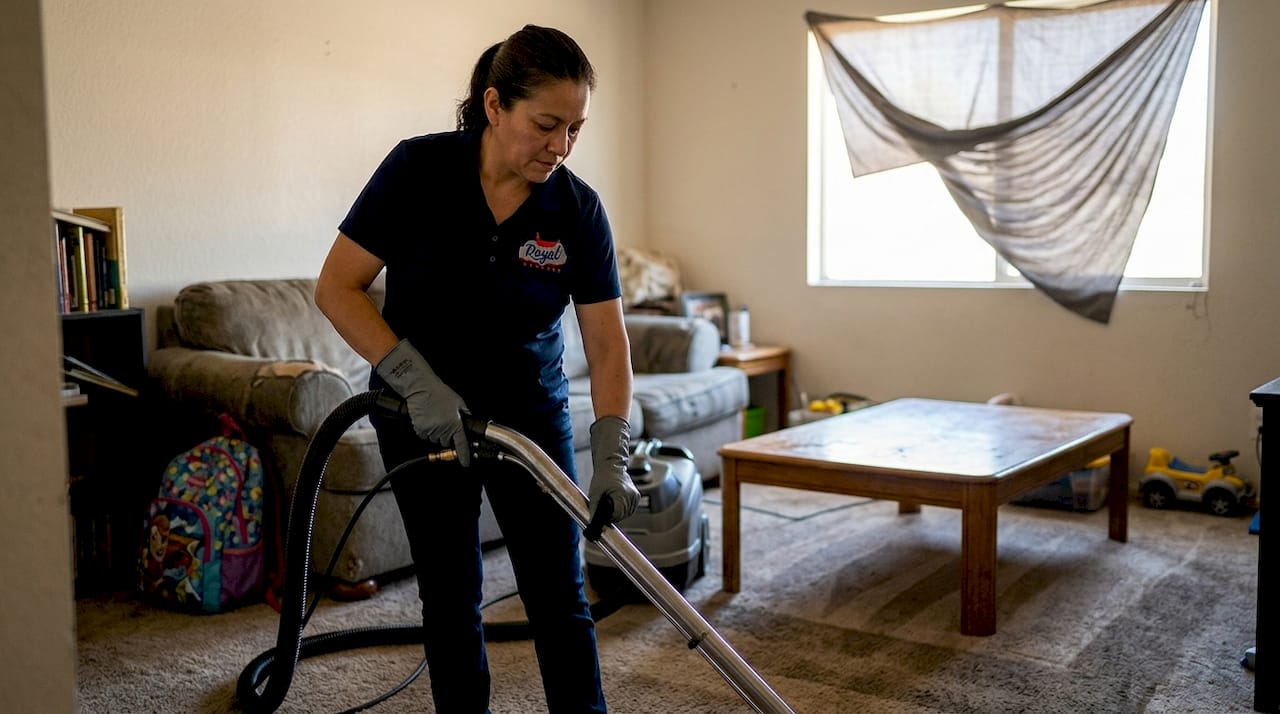
Health benefits top the list for most Albuquerque families. Multi-step cleaning reduces allergens by up to 95%, including dust mites, pollen, and pet dander, while extending carpet life to 12-15 years with cleaning every 12-18 months. This dramatic allergen reduction translates to fewer asthma attacks, reduced allergy symptoms, and better sleep quality. Families report noticeable improvements in respiratory health within weeks of professional multi-step cleaning.
Key health advantages include:
- Removal of dust mite allergens that trigger 80% of asthma cases
- Elimination of bacteria and viruses that cause illness
- Extraction of volatile organic compounds from previous cleaning products
- Reduction of mold spores that thrive in hidden moisture
- Improved air circulation as clean surfaces release fewer particles
Environmental responsibility matters to conscious homeowners. Eco-friendly multi-step cleaning uses HEPA filtration, steam and hot water, EPA-registered low-VOC disinfectants, and natural agents like vinegar and baking soda, reducing indoor pollutants by 50%. This approach minimizes chemical exposure while maximizing cleaning effectiveness.
Traditional cleaning often relies on harsh chemicals that leave residues on surfaces. These residues off-gas for days or weeks, contributing to poor indoor air quality. Multi-step cleaning with eco-friendly products avoids this problem. Hot water extraction uses heat and mechanical action rather than aggressive chemicals. Natural pre-treatments work effectively without toxic ingredients.
| Benefit Category | Multi-Step Cleaning | Single-Step Cleaning |
|---|---|---|
| Allergen Removal | 90-95% reduction | 40-60% reduction |
| Chemical Residue | Minimal to none | Moderate to high |
| Carpet Lifespan | 12-15 years | 7-10 years |
| Drying Time | 4-6 hours | 12-24 hours |
| Deep Soil Removal | Complete extraction | Surface level only |
| Eco-Friendliness | Low-VOC, natural options | Often chemical-heavy |
Financial benefits accumulate over time. Professional multi-step cleaning costs more upfront than DIY or basic services, but the extended lifespan of carpets, upholstery, and other surfaces provides substantial savings. Replacing carpet costs $3-8 per square foot. A 1,500-square-foot home might spend $4,500-12,000 on new carpet. Regular multi-step cleaning delays this expense by years.
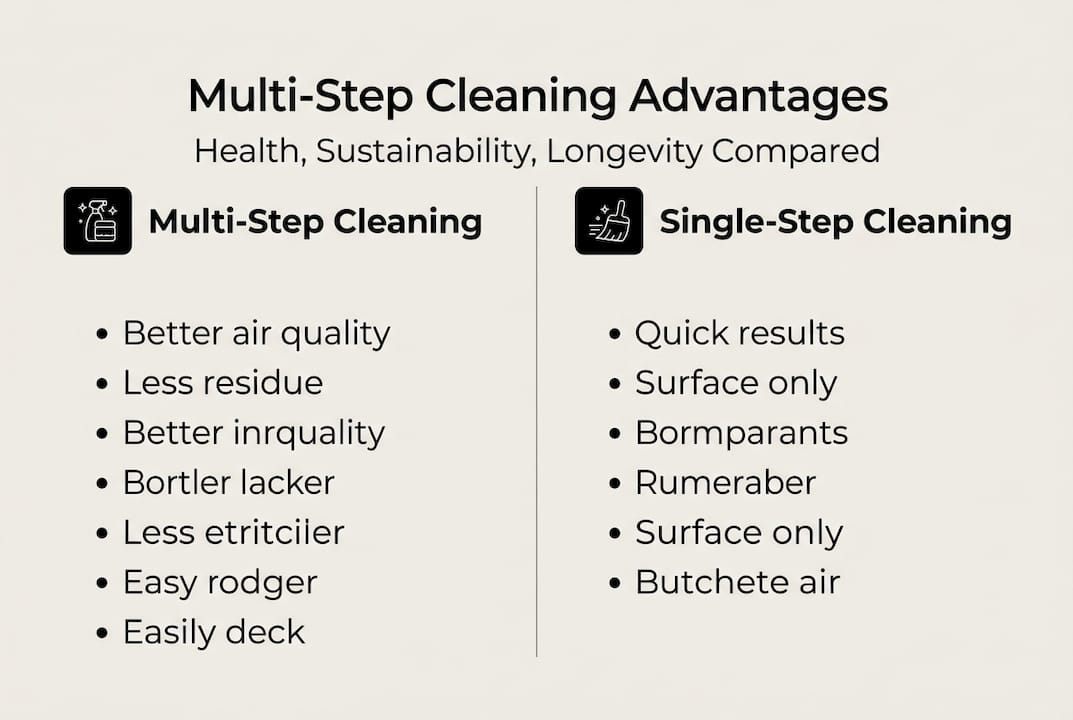
Carpet care tips emphasize prevention and maintenance between professional services. Simple habits like removing shoes indoors and addressing spills immediately reduce soil accumulation. These practices, combined with annual professional cleaning, maximize your flooring investment.
Pet dander removal tips highlight how multi-step cleaning manages ongoing allergen sources. Pets continuously shed dander, requiring more frequent attention to maintain air quality. The thorough extraction process removes dander from deep within carpet padding where it accumulates over time.
“Homeowners who invest in professional multi-step cleaning every 12-18 months report 60% fewer respiratory complaints and maintain their carpets in like-new condition for over a decade. The health and financial returns far exceed the service cost.” — Indoor Air Quality Specialist
The cumulative effect of these benefits creates healthier, more comfortable living spaces. Children play on floors without exposure to hidden contaminants. Family members with allergies experience fewer symptoms. Your home maintains a fresh, clean appearance that reflects pride of ownership.
Applying multi-step cleaning in your home: frequency, preparation, and expert services
Implementing multi-step cleaning effectively requires understanding optimal timing, proper preparation, and when to call professionals. The right approach balances DIY maintenance with expert deep cleaning for maximum results.
Frequency recommendations vary based on household factors. For Albuquerque homeowners, integrate weekly HEPA vacuuming plus monthly surface cleaning with professional multi-step service every 12-18 months for optimal health and eco balance. This schedule maintains clean surfaces between professional visits while ensuring deep contaminants don’t accumulate.
Adjust timing based on specific circumstances:
- Homes with pets need professional cleaning every 8-12 months due to constant dander and tracked-in dirt
- High-traffic households with children benefit from cleaning every 10-14 months
- Allergy sufferers should schedule services every 8-10 months to minimize symptom triggers
- Low-traffic homes with no pets can extend to 18-24 months between deep cleanings
- After home renovations or construction, immediate professional cleaning removes dust and debris
Proper preparation maximizes cleaning effectiveness and efficiency. Clear floors of toys, small furniture, and personal items before professionals arrive. Vacuum lightly to remove surface debris, though professionals will perform thorough HEPA vacuuming as step one. Identify problem areas like pet stains or high-traffic zones so technicians can apply extra pre-treatment.
Batch your cleaning tasks strategically. When scheduling carpet cleaning, also arrange for upholstery, tile, and air duct services. Many companies offer package discounts for multiple services. This approach creates a comprehensive clean throughout your home rather than addressing one area at a time.
Pro Tip: In Albuquerque’s dry climate, avoid over-wetting carpets and upholstery. Excess moisture takes longer to dry and can penetrate subflooring, creating hidden mold growth. Professional equipment with powerful extraction prevents this problem, but DIY attempts often apply too much water.
High-traffic carpet cleaning schedules should focus on entryways, hallways, and living areas. These zones accumulate soil faster than bedrooms or formal spaces. Spot clean spills immediately using blotting techniques rather than rubbing, which spreads stains and damages fibers.
Professional services deliver results impossible to achieve with rental equipment or DIY methods. Truck-mounted cleaning systems generate 10 times the suction power of portable machines. They heat water to optimal temperatures and maintain consistent pressure throughout the cleaning process. Technicians understand fiber types, appropriate cleaning solutions, and proper techniques for different materials.
Air duct cleaning professionals use specialized cameras to inspect ductwork before cleaning. This identifies problem areas and ensures complete contaminant removal. The multi-step process for ducts mirrors carpet cleaning: mechanical agitation, HEPA vacuuming, and optional sanitizing.
Upholstery cleaning experts assess fabric types and construction before selecting cleaning methods. Delicate materials require different approaches than durable synthetics. Professional knowledge prevents damage while achieving deep cleaning results.
Maintenance between professional visits keeps surfaces cleaner longer. Vacuum high-traffic areas twice weekly using a HEPA-filtered machine. Address spills within minutes using clean white cloths and blotting motions. Rotate furniture periodically to distribute wear patterns evenly across carpets. Use walk-off mats at all entrances to capture dirt before it spreads through your home.
Consider your home’s specific needs when planning cleaning schedules. Homes near construction sites or unpaved roads accumulate dust faster. Properties with mature landscaping may track in more organic debris. Households with multiple pets require more frequent attention to dander and accidents. Tailor your maintenance plan to address these unique factors.
The investment in professional multi-step cleaning pays dividends through improved health, extended surface life, and maintained home value. Regular maintenance preserves your investment while creating cleaner, healthier living spaces for your family.
Discover professional multi-step cleaning services near you
Ready to experience the difference multi-step cleaning makes in your Albuquerque home? Professional services deliver the deep, thorough results that protect your family’s health and extend the life of your carpets, upholstery, and other surfaces. Local experts understand the unique challenges of our desert climate and use proven techniques to remove embedded dust, allergens, and contaminants.
Trusted professional carpet cleaning services use truck-mounted systems and eco-friendly products to transform your floors. Upholstery cleaning services restore furniture to like-new condition while removing allergens and odors. Tile and grout cleaning tackles stubborn buildup that regular mopping can’t address. Each service follows the same multi-step approach: thorough preparation, targeted treatment, deep extraction, and complete drying. Contact local professionals today to schedule your comprehensive home cleaning and breathe easier knowing your living spaces are truly clean.
Frequently asked questions
How often should I schedule professional multi-step cleaning?
Most Albuquerque homes benefit from professional multi-step cleaning every 12-18 months. Households with pets, children, or allergy sufferers should schedule services every 8-12 months for optimal air quality. High-traffic areas may need attention every 10-14 months to prevent excessive soil buildup that damages carpet fibers.
Is multi-step cleaning safe for families with allergies or asthma?
Yes, multi-step cleaning significantly improves conditions for allergy and asthma sufferers by removing up to 95% of allergens from carpets and upholstery. The process uses EPA-registered, low-VOC products that don’t leave harmful residues or trigger respiratory symptoms. Many families report noticeable improvement in breathing and reduced allergy symptoms within days of professional cleaning.
What makes multi-step cleaning eco-friendly compared to traditional methods?
Multi-step cleaning relies on HEPA filtration, high-temperature water, and mechanical extraction rather than harsh chemicals. Professional services use EPA-registered, low-VOC disinfectants and natural cleaning agents like enzymatic solutions that biodegrade safely. This approach reduces indoor air pollutants by 50% compared to traditional chemical-heavy methods while delivering superior cleaning results.
Can I perform multi-step cleaning myself or should I hire professionals?
Homeowners can maintain surfaces between professional services with regular HEPA vacuuming and spot cleaning, but deep multi-step cleaning requires professional equipment for best results. Truck-mounted systems generate far more suction power than rental machines and heat water to optimal temperatures. Professionals also understand proper techniques for different materials and can avoid common mistakes like over-wetting that leads to mold growth.