(505) 280-5216
The Ultimate Guide to Home Allergen Reduction
Home Allergen Reduction: Ultimate 2025 Relief
Why Home Allergen Reduction Matters for Your Health
Home allergen reduction is essential because most people spend over 90% of their time indoors, where air can be two to five times more polluted than outside. For the millions of Americans with allergies and asthma, a home should be a safe haven, not a source of sneezing, itchy eyes, and breathing difficulties.
Indoor allergens like dust mites, pet dander, and mold don’t just cause temporary discomfort. They can trigger serious asthma attacks and create year-round symptoms that impact sleep, work, and quality of life. The good news is that effective home allergen reduction is achievable with consistent effort.
Essential Home Allergen Reduction Strategies:
- Control humidity: Keep levels below 50% with dehumidifiers.
- Clean regularly: Vacuum weekly with HEPA filters and wash bedding in 130°F water.
- Filter the air: Use HEPA air purifiers and change HVAC filters monthly.
- Remove allergen sources: Use allergen-proof mattress covers and minimize carpeting.
- Manage pets: Keep them out of bedrooms and bathe them regularly.
- Address moisture: Fix leaks promptly and use exhaust fans.
As a cleaning professional, I’ve seen that the most effective approach combines proper technique, the right equipment, and professional intervention to create healthier homes. By focusing on these key strategies, you can dramatically reduce allergen levels and breathe easier.
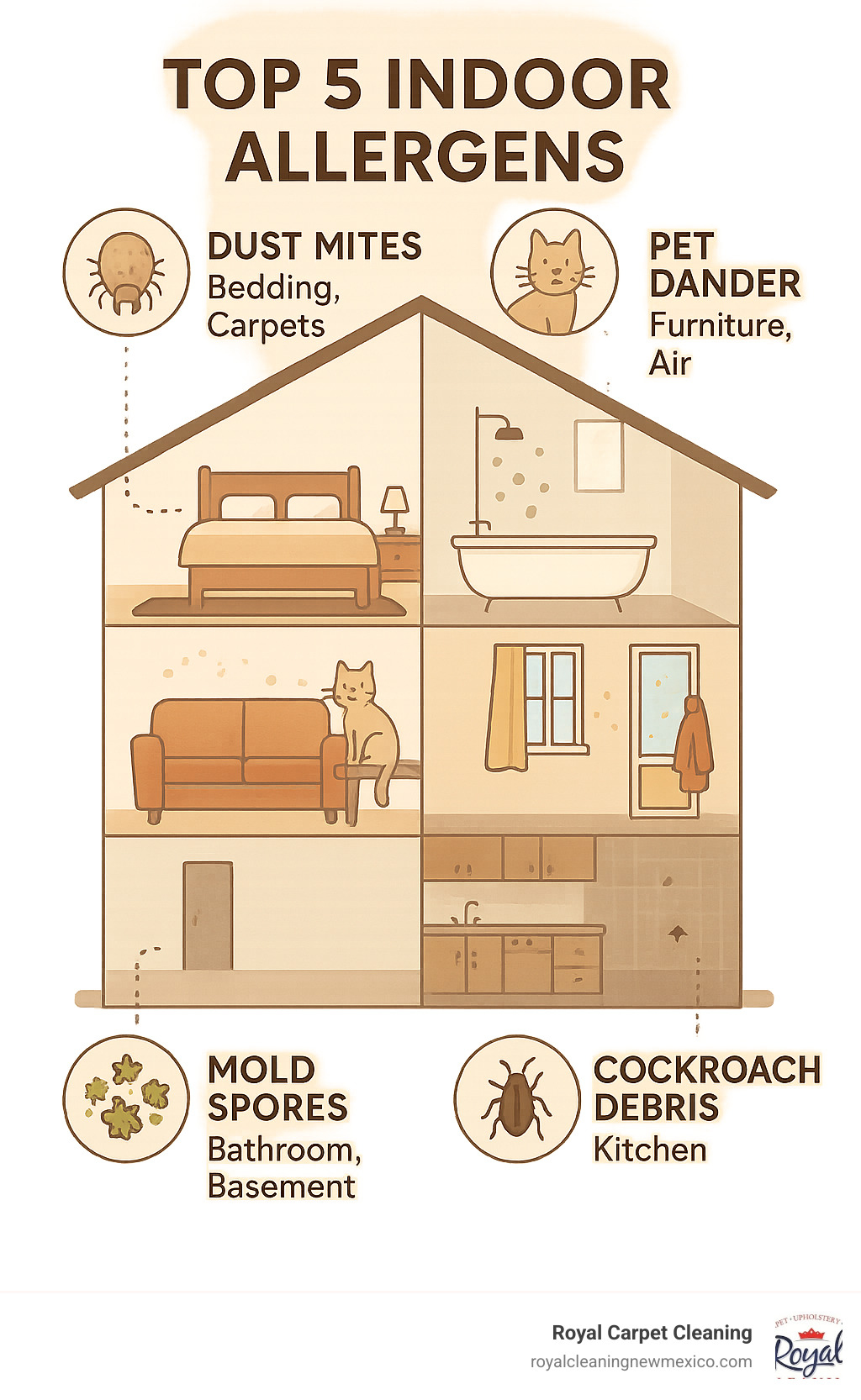
Home allergen reduction glossary:
Identifying the Culprits: Common Indoor Allergens
Before you can master home allergen reduction, you need to know what you’re up against. Indoor allergens are microscopic particles that cause sneezing, sniffles, and breathing difficulties. Some are true allergens that trigger an immune response, while others are irritants like smoke and strong odors that cause similar symptoms.
The statistics are eye-opening: eight out of 10 people in the United States are exposed to dust mites, while six out of 10 are exposed to pet dander. Chances are, you’re sharing your space with at least one of these unwelcome guests.
Let’s meet the usual suspects lurking in your home:
Dust Mites: The Unseen Invaders
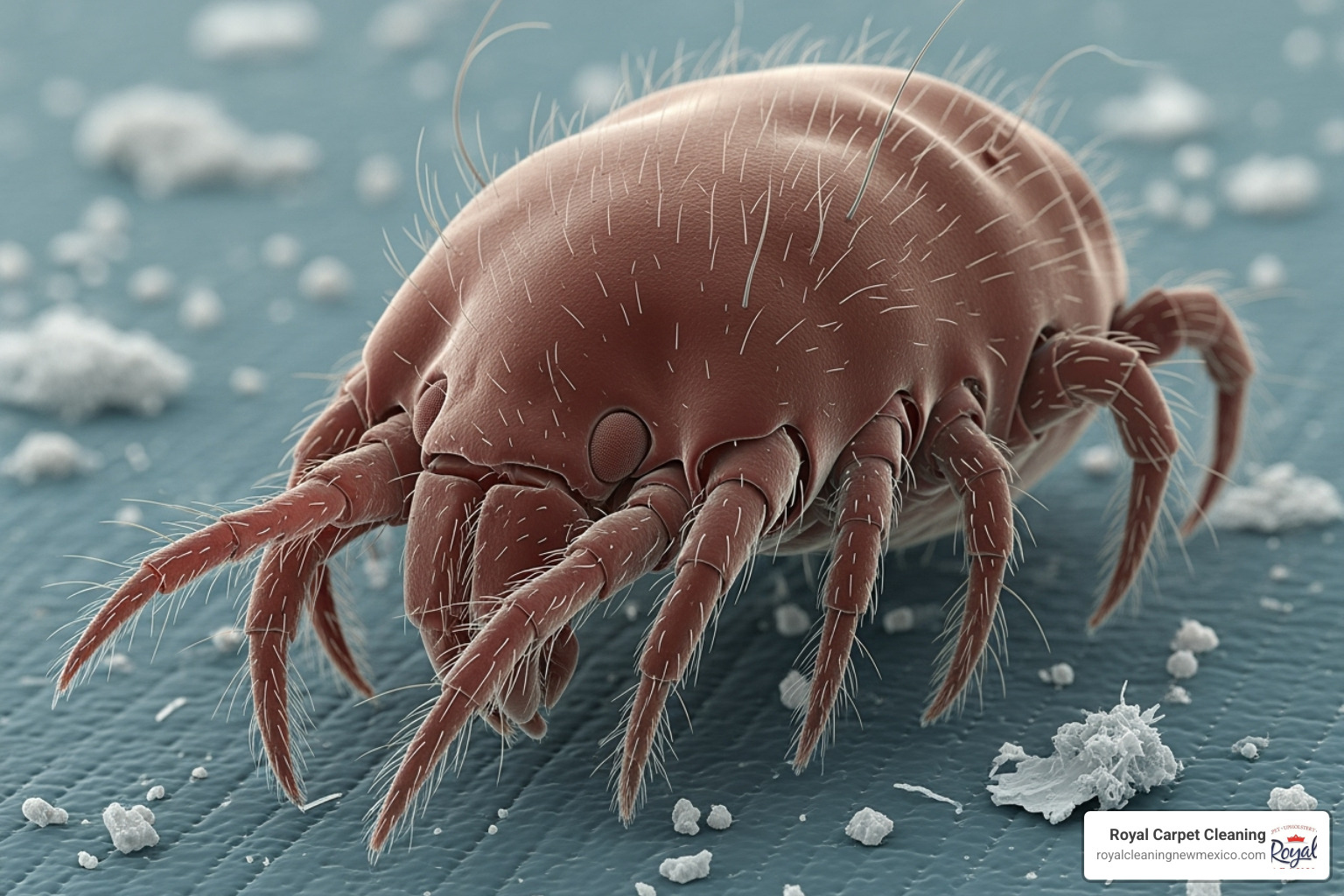
Dust mites are microscopic bugs that feed on the dead skin flakes we shed daily. They thrive in high humidity environments, making your bedding, mattresses, upholstery, and carpets ideal homes. A single mattress can house up to a million dust mites. The primary allergen isn’t the mite itself, but a protein in its waste products (Der p 1) that causes significant allergic reactions.
More info about carpet allergens
Pet Dander: More Than Just Fur
For pet lovers with allergies, the problem isn’t the fur but the microscopic skin flakes, saliva, and urine containing allergenic proteins. These lightweight particles from cats, dogs, and other animals can stay airborne for hours, settling on every surface.
There are no truly hypoallergenic pets. Even low-shedding breeds produce dander, saliva, and urine. Furthermore, pets can act as carriers, bringing pollen and other outdoor allergens inside on their fur.
More info about keeping furniture clean with pets
Mold and Mildew: The Damp Dangers
Mold and mildew are fungi that grow wherever there is moisture. You might see them as discolored patches, but a musty odor is often the first sign. They are commonly found in bathrooms, basements, and areas with poor ventilation or leaks. Mold spores can enter from outside or grow anywhere indoor conditions are right. Controlling moisture is the key to preventing mold.
More info about grout cleaning
Pollen and Other Outdoor Intruders
Seasonal allergies don’t stay outdoors. Pollen from trees, grasses, and weeds enters your home through open windows, on your clothing, and on your pets. These intruders are most problematic during high pollen counts, which often occur on warm, breezy days. Once inside, pollen can settle into surfaces and circulate through your home, turning seasonal allergies into a year-round problem.
A Strategic Approach to Home Allergen Reduction
Effective home allergen reduction requires a coordinated defense system. The Environmental Protection Agency recommends three core principles: controlling the source of pollutants, increasing ventilation, and using air cleaning devices. This translates to managing humidity, maintaining cleaning routines, and using smart air filtration to create an environment where allergens can’t thrive.
More info about your home’s air ducts and your health
Key Strategies for Effective Home Allergen Reduction
Humidity control is foundational. It determines whether dust mites and mold can survive. Aim to keep indoor relative humidity between 40-50%. Use dehumidifiers in damp areas like basements and bathrooms, and clean them weekly. A simple hygrometer can help you monitor levels accurately. Your air conditioner also helps by removing moisture, so maintaining a temperature between 68-72°F is beneficial.
Proper ventilation dilutes indoor pollutants. Use exhaust fans in kitchens and bathrooms that vent directly outside, running them for at least 15 minutes after showering. Be strategic about opening windows; keep them closed during high pollen or pollution days and rely on your AC or fans. Consider pollen-proof screens for windows.
Decluttering is a powerful allergen reduction tool. Fewer items mean fewer surfaces for dust to settle on, making cleaning easier and more effective. Whenever possible, choose hard surfaces like hardwood, tile, or leather over soft surfaces like carpeting and upholstered furniture, which trap allergens.
Cleaning and Filtration for Allergen Control
Consistent, proper cleaning is your daily defense. The right tools and techniques are essential to remove allergens, not just stir them up.
-
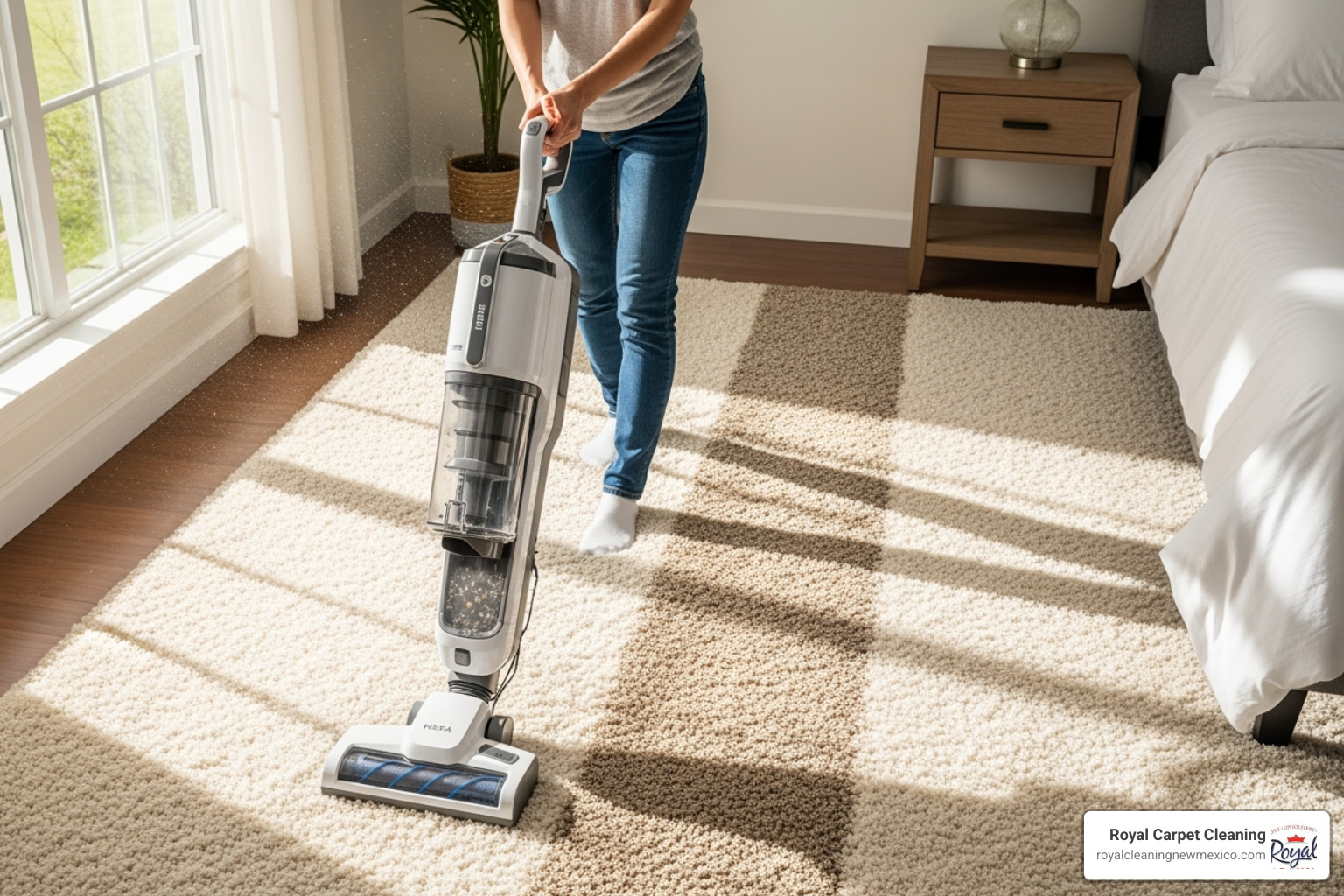
HEPA Filter Vacuums: A crucial investment, these vacuums capture 99.97% of tiny particles like dander and pollen. Vacuum carpets and upholstery once or twice weekly. If you have asthma, wear a mask or have someone else vacuum.
-
Damp Dusting: Use a damp microfiber cloth to trap dust instead of sending it airborne. Avoid fabric softener on these cloths, as it reduces their effectiveness. Dust hard surfaces weekly.
-
Hot Water Washing: This is your secret weapon against dust mites. Wash bedding weekly in water that is at least 130°F to kill them. Use the hottest dryer setting to finish the job.
-
Air Purifiers: Units with HEPA filters and high CADR (Clean Air Delivery Rate) ratings can significantly reduce airborne allergens.
-
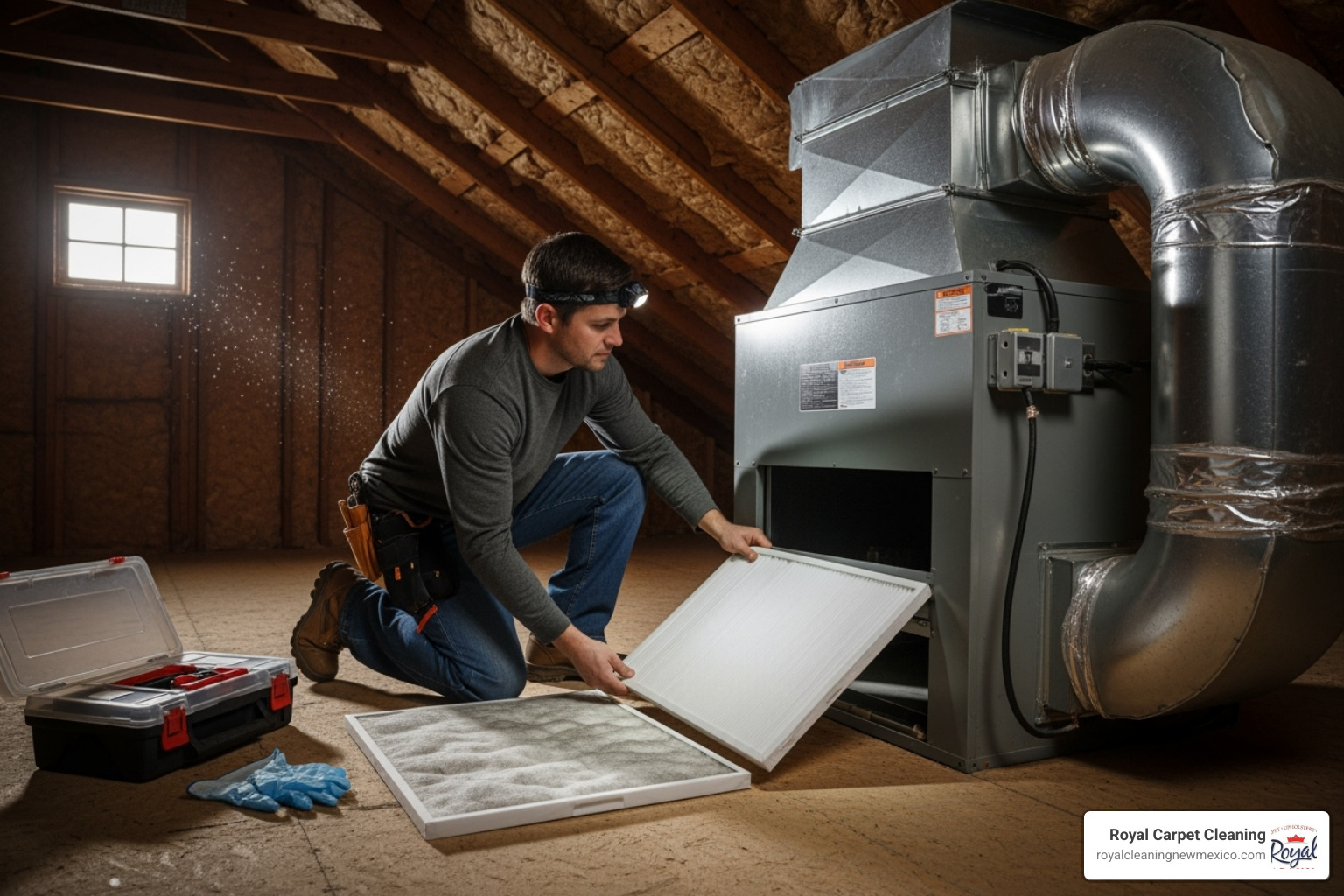
HVAC Filters: Your HVAC system is your whole-house air cleaner. Use filters with a MERV rating of 10 or higher and replace them monthly during heavy use. Be careful when changing them to avoid releasing trapped dust.
-
Professional Air Duct Cleaning: Over time, allergens build up in your ductwork and get circulated throughout your home. Professional cleaning removes this buildup at the source.
More info about the benefits of air duct cleaning
Your Room-by-Room Action Plan
Now let’s apply these principles with a customized plan for each room. Different spaces present unique challenges, and focusing on one area at a time makes home allergen reduction more manageable. Prioritize the rooms where you spend the most time, like the bedroom.
Healthier Home Checklist from AAFA
The Bedroom: A Priority Zone for Home Allergen Reduction
You spend a third of your life here, making the bedroom a top priority. Dust mites thrive in the warm, humid environment of your bed.
- Encase your bed: Use allergen-proof mattress and pillow covers to create a barrier against dust mites.
- Wash bedding weekly: Use water heated to at least 130°F to kill dust mites, followed by a high-heat dry cycle.
- Make it a pet-free zone: Keeping pets out of the bedroom can dramatically reduce nighttime allergy symptoms.
- Choose hard flooring: If possible, replace carpeting with hardwood, laminate, or tile. Use washable area rugs instead.
- Select synthetic bedding: Synthetic pillows and comforters are less likely to harbor dust mites than down or wool.
More info about allergy relief carpet cleaning
The Living Room: Creating a Breathable Space
This high-traffic area requires a balance of comfort and cleanliness.
- Choose furniture wisely: Leather, wood, metal, or plastic furniture is easier to clean than upholstered pieces. If you have upholstered furniture, vacuum it regularly with a HEPA filter.
- Address flooring: If replacing carpet isn’t an option, vacuum frequently and consider professional deep cleaning to remove embedded allergens.
- Rethink window treatments: Use washable curtains or roller shades instead of heavy drapes that collect dust.
- Declutter: Minimize knickknacks and store books or magazines in closed cabinets to reduce dust-collecting surfaces.
More info about upholstery cleaning
More info about pet hair removal service
The Kitchen and Bathroom: Tackling Moisture and Mold
In these rooms, controlling moisture is the key to preventing mold.
- Use exhaust fans: Run your bathroom fan for 15 minutes after every shower and your kitchen fan while cooking. Ensure they vent outside.
- Fix leaks immediately: A small drip can create a perfect environment for mold.
- Keep it clean: Wash dishes daily, scrub sinks, and clean up spills promptly. Store all food, including pet food, in sealed containers.
- Maintain surfaces: In the bathroom, towel-dry the shower after use. Scrub any visible mold with a bleach solution. Use mold-resistant enamel paint instead of wallpaper.
More info about tile and grout cleaning in Albuquerque
Basements and Laundry Rooms: The Final Frontier
These areas are often damp and poorly ventilated, making them allergen hotspots.
- Run a dehumidifier: Keep humidity below 50% and clean the unit weekly.
- Check for leaks: Regularly inspect pipes, foundations, and windows for moisture.
- Store items properly: Use plastic bins with tight-fitting lids instead of cardboard boxes, which attract moisture and pests.
- Manage laundry moisture: Ensure your dryer is vented to the outside and clean the vent regularly. Never hang wet clothes to dry indoors, as this adds significant moisture to the air.
More info about dryer vent cleaning in Albuquerque
When to Call for Professional Help
While your daily efforts are the foundation of home allergen reduction, some situations require professional intervention. If you’re facing widespread mold, persistent odors, or allergen levels that don’t improve despite your best efforts, it’s time to call for reinforcements with specialized equipment and expertise.
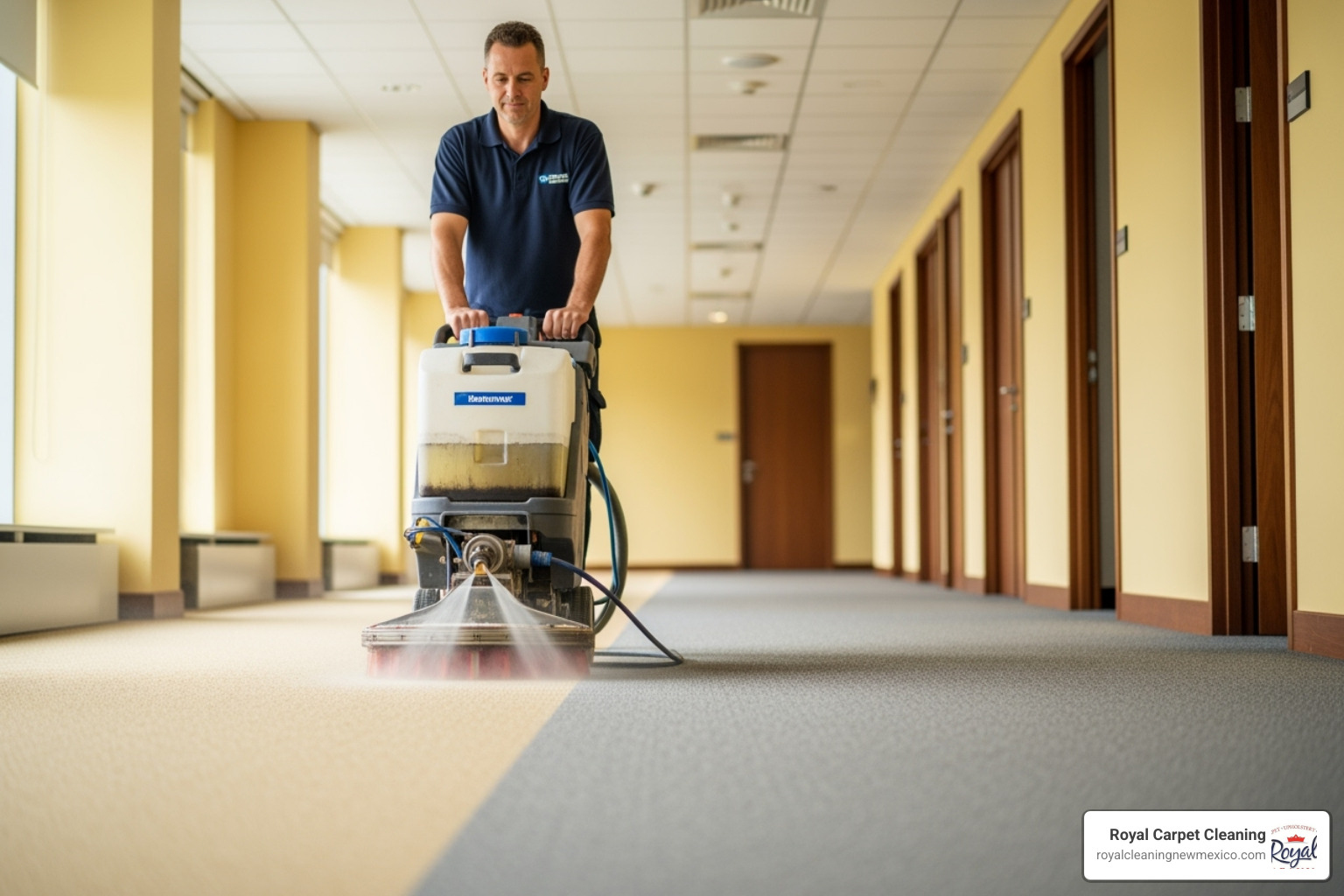
Professional Cleaning Services
At Royal Carpet Cleaning, we understand that some allergens are too deeply embedded for household methods. Our services can transform a home’s air quality.
-
Deep carpet cleaning: Our multi-step hot water extraction process removes up to 94% of allergens like dust mites, pet dander, and pollen from deep within carpet fibers.
-
Upholstery steam cleaning: We use steam and hot water extraction to reach allergens hidden in your furniture, removing up to 96% of them and neutralizing odors.
-
Tile and grout sanitization: In moisture-prone kitchens and bathrooms, porous grout lines can harbor mold. Our services eliminate these hidden allergens.
-
Air duct system cleaning: Your HVAC system can circulate dust, dander, and mold spores. We clean your air ducts to remove these contaminants at the source, ensuring cleaner air.
We offer transparent pricing and a 100% satisfaction guarantee. If you’re in Albuquerque, Rio Rancho, Corrales, Placitas, Bernalillo, or elsewhere in New Mexico, we’re here to make your home allergen reduction efforts truly effective.
More info about air duct cleaning in Albuquerque NM
Consulting an Allergist
Understanding your specific triggers is a critical part of the solution. A board-certified allergist can provide a comprehensive management plan.
-
Allergy testing: This takes the guesswork out of your efforts, allowing you to focus on the specific allergens that affect you.
-
Personalized management plan: An allergist can combine environmental controls with medical treatments, such as medication or immunotherapy (allergy shots), for long-term relief.
If you experience severe symptoms like difficulty breathing or persistent coughing, seek professional medical guidance to address the root cause of your allergies safely and effectively.
Frequently Asked Questions about Home Allergen Reduction
How often should I clean to reduce allergens?
Consistency is more important than intensity. A regular maintenance schedule prevents allergen buildup.
- Daily: Perform simple tasks like wiping down kitchen counters and taking out the garbage.
- Weekly: This is for your deeper clean. Damp dust all hard surfaces, vacuum carpets and upholstery with a HEPA filter vacuum, and wash all bedding in 130°F water.
- Monthly: Clean or replace HVAC filters and clean out your dehumidifiers.
It’s better to clean moderately every week than to let allergens accumulate for a month.
Can air purifiers alone solve my indoor allergy problem?
No. Air purifiers are a valuable part of your home allergen reduction toolkit, but they are not a complete solution. They excel at trapping airborne particles like pollen and pet dander, with quality HEPA units capturing up to 98% of these from the air.
However, source control is your primary defense. An air purifier cannot remove the millions of dust mites living in your mattress or the dander settled deep in your carpet. Allergens on surfaces are a major issue that only direct cleaning can solve. Use air purifiers as part of a comprehensive strategy that includes humidity control, regular cleaning, and removing allergen sources.
Scientific review on air filters
Are “hypoallergenic” pets truly safe for people with allergies?
The term “hypoallergenic” is misleading, as no pet with fur or feathers is 100% allergen-free. The true culprits are proteins found in an animal’s dander (skin flakes), saliva, and urine, not just their hair. All animals produce these.
While some people may react less to certain low-shedding breeds, this is highly individual. Most allergists recommend that people with significant animal allergies avoid pets with fur or feathers. If you are set on getting a pet, spend significant time with the specific breed (over multiple visits) to gauge your personal reaction before making a long-term commitment. Be aware that allergen levels in the home will build up over time, which could worsen your symptoms.
Breathe Easier in Your Home
You’ve made it this far in your home allergen reduction journey, and that’s something to celebrate! Creating a truly healthy home environment isn’t about perfection – it’s about progress, consistency, and finding what works best for your family’s unique situation.
The path to cleaner indoor air and fewer allergy symptoms requires patience and a comprehensive approach. Think of it like tending a garden: you need to address multiple factors working together to create the healthiest environment possible. Controlling humidity keeps dust mites and mold at bay. Regular, effective cleaning removes the allergens that do accumulate. Smart filtration catches what’s floating in the air. And tackling each room’s specific challenges ensures no corner of your home becomes an allergen hideout.
Some days, you’ll remember to change that HVAC filter right on schedule. Other days, life gets busy and the bedding doesn’t get washed in scalding hot water. That’s perfectly normal! The key is getting back on track without beating yourself up about it.
When your efforts need a boost, professional help can make all the difference. At Royal Carpet Cleaning, we’ve seen how a thorough deep clean can transform a home’s air quality. Our multi-step cleaning process reaches deep into carpet fibers, upholstery, and air ducts to remove allergens that regular cleaning simply can’t touch. We’re proud to serve families throughout Albuquerque, Rio Rancho, Corrales, Placitas, and Bernalillo, helping them create healthier spaces with our 100% satisfaction guarantee.
Your home should be your sanctuary – a place where you can breathe deeply without worry. Every step you take toward home allergen reduction, whether it’s encasing that mattress, running a dehumidifier, or scheduling a professional carpet cleaning, brings you closer to that goal.
Don’t let allergens control your comfort or your family’s health. You have the knowledge and tools to create real change in your indoor environment. Start with one room, one strategy, or one phone call to a professional cleaning service. Your lungs (and your family) will thank you for it.
Take control of your home’s allergens with a professional deep clean