

 (505) 280-5216
Carpet Browning After Cleaning: Causes and Fast Fixes
If your carpet turned yellow or brown after cleaning, it’s most likely wicking or cellulosic browning, both triggered by too much water and slow drying. Detergent residue and chemical reactions cause it less often. The first move matters more than the diagnosis: stop adding moisture and start pulling it out.
Here’s your 10-minute triage checklist:
- Stop applying any more water, cleaning solution, or “quick fix” sprays to the spot.
- Extract or blot the area with clean, white towels, pressing firmly rather than rubbing.
- Set a weighted, absorbent pad (towels topped with a heavy book or a stack of magazines) directly over the spot.
- Start airflow immediately: a box fan, ceiling fan, or the HVAC blower, plus a dehumidifier if you have one.
- Skip the DIY solvents, especially bleach or ammonia based products, until you know what you’re dealing with.
Pro Tip: If the affected area is wool, has a jute backing, or the browning looks diffuse across a large patch rather than a defined spot, stop the home remedies and call a professional before you do anything else. Overworking these materials tends to spread the discoloration rather than fix it.
Key Takeaways
Carpet browning after cleaning is almost always caused by over-wetting and slow drying, not a sign of a bad cleaning job, and the fix is faster drying and less water, not more soap.
| Point | Details |
|---|---|
| Identify the cause first | Check timing and color: same-day appearance points to wicking or cellulosic browning, delayed dullness points to residue. |
| Stop adding water immediately | Extract surface moisture, blot with white towels, and place weighted absorbent pads over the spot. |
| Speed-dry to prevent migration | Run air movers, HVAC fans, and a dehumidifier until the pad underneath tests fully dry. |
| Rinse before you add more product | A neutral-pH rinse removes residue that a second round of shampoo will only make worse. |
| Call a pro for wool or jute | Royal Carpet and Tile Cleaning offers subsurface flushing, anti-browning treatments, and industrial drying for cases DIY methods can’t resolve. |
Table of Contents
- What Causes Carpets to Brown After Cleaning?
- How Can You Tell Which Type of Browning You Have?
- Fixing Brown Spots on Carpet: A Step-by-Step Recovery Workflow
- How to Prevent Carpet Browning Next Time You Clean
- When Should You Call a Professional Cleaner?
- Get Professional Help for Stubborn Carpet Browning
- Sources
- FAQ
What Causes Carpets to Brown After Cleaning?
Three separate mechanisms produce the same frustrating result, a brownish or yellowish stain sitting right where you just cleaned. Knowing which one you have determines whether a fan and a towel will fix it or whether you need a professional flush.
Wicking (wick back) happens through simple capillary action. Soil dissolved during cleaning doesn’t fully lift out. As the carpet dries, water traveling upward through the pad and backing carries that dissolved soil to the tips of the fibers, where it evaporates and leaves the color behind. This is why a spot that looked clean the moment you finished cleaning can reappear hours or a full day later.
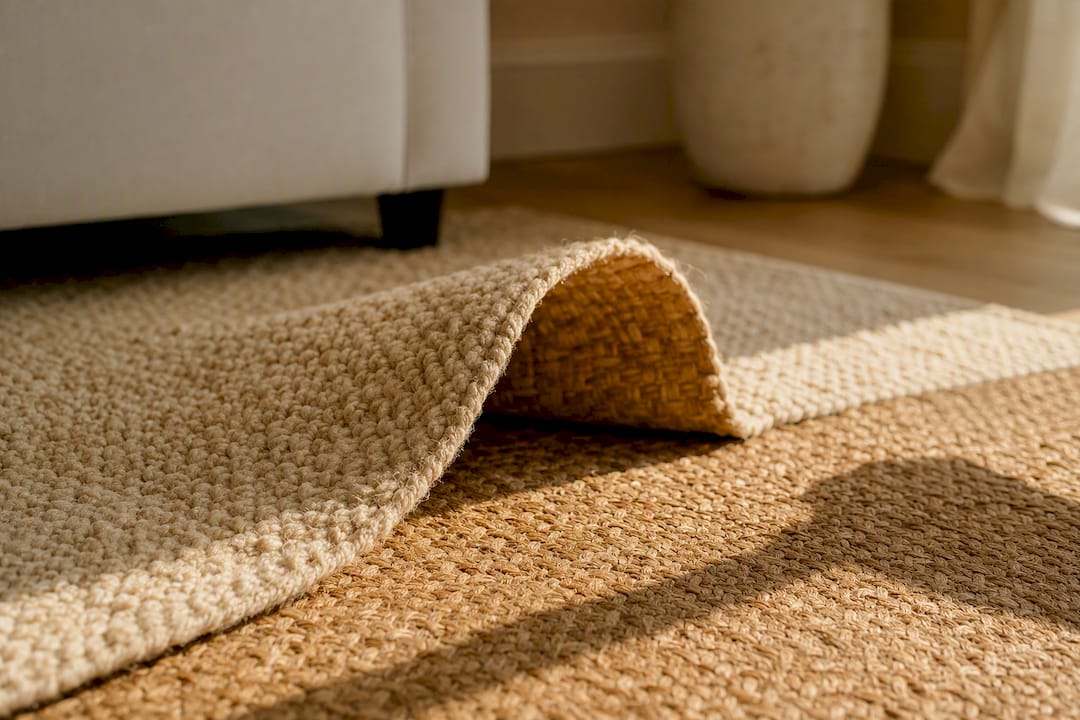
Cellulosic browning is a different animal entirely. Carpets and rugs with jute backing, or fibers containing natural plant material like cotton or sisal, contain cellulose that oxidizes and turns yellow or brown when it gets overly wet and dries too slowly, according to DryConcepts. Higher pH cleaning solutions accelerate this reaction, which is why older wool rugs with jute backing are far more vulnerable than typical synthetic wall-to-wall carpets.
Detergent residue from high-pH shampoos or excess soap left behind is the third common culprit, but it behaves differently: leftover surfactant is sticky and attracts new soil over days or weeks rather than appearing the moment the carpet dries, notes Mytee. Less frequently, hard water minerals or a chemical reaction between bleach, ammonia, and carpet dyes can cause discoloration, and UV exposure can fade or yellow fibers independently of any cleaning at all.
Watch for these diagnostic signs:
- Immediate, as the carpet dries points to wicking or cellulosic browning.
- Days or weeks later, dull and grayish points to detergent residue attracting soil.
- Diffuse and yellow across a wide area suggests cellulosic browning, especially on natural-fiber backing.
- A tight, defined spot in the same shape as the original stain suggests wicking.
Over-wetting combined with slow drying is the common enabling condition behind both wicking and cellulosic browning, which is why speed matters more than almost any other variable in this process.
How Can You Tell Which Type of Browning You Have?
You don’t need lab equipment to figure this out. Three quick checks, done in order, will tell you almost everything.
- Check the timeline first. Did the discoloration show up while the carpet was still damp, or did it appear well after everything dried? Same-day appearance during drying points to wicking or cellulosic browning. A stain that shows up a week or two later, especially one that looks gray or dull rather than yellow-brown, points to detergent residue.
- Look at the color and shape under low, angled light. A yellow or amber tint spread diffusely across a wider area, particularly near a wall or on an older rug, leans cellulosic. A sharply defined brown spot that mirrors the shape of your original stain leans wicking.
- Run a small rinse test on a hidden section. Pick an inconspicuous corner, dampen it lightly with plain water, extract thoroughly with a wet vacuum or towels, and let it dry with a fan pointed directly at it. If the color visibly lightens after that flush and fast dry, you’re dealing with something a proper rinse can fix. If the color doesn’t budge, you may be looking at cellulosic browning that needs professional neutralization.
That rinse test does double duty: it’s diagnostic and it’s often the first step of the actual fix. If a weighted absorbent pad pulls moisture out of the carpet and the discoloration stops spreading, that’s a strong sign it was wicking to begin with.
Pro Tip: Never use an oxidizing stain remover or a bleach-based product on wool as a test. Wool reacts unpredictably to oxidizers, and what looks like a small experiment can turn into a permanently damaged patch. Patch-test any home remedy on a hidden corner first, always.
If the browning is confined to one or two carpet cleaning tips scattered around a room. That pattern usually points back to spots where too much cleaning solution pooled during your last pass.
Fixing Brown Spots on Carpet: A Step-by-Step Recovery Workflow
Once you’ve narrowed down the likely cause, work through recovery in this order rather than jumping straight to the strongest remedy you can find.
- Immediate triage. Stop adding water. Extract any remaining surface moisture with a wet vacuum or by pressing dry white towels into the pile. Layer weighted absorbent pads over the spot to intercept moisture as it rises.
- Speed-dry the area. Point air movers or box fans directly at the spot, run your HVAC fan continuously, and add a dehumidifier if the room feels humid; for recommended equipment examples, see our guide to the top carpet cleaning tools. Groom the pile gently with a carpet rake to help air reach the base of the fibers.
- Rinse and neutralize. A balanced, neutral-pH rinse pulls out leftover detergent that’s attracting soil or feeding a chemical reaction. A very dilute white vinegar solution is a conservative home option for mild cases, but always patch-test a hidden area first.
- Escalate to professional treatment when needed. Commercial anti-browning agents and controlled oxidizing or reducing treatments exist specifically for this problem, but they require careful, trained application, particularly on wool or natural-backed goods where the wrong product can cause permanent color loss.
If the brown spot comes back even after a proper flush, full dry passes, and adequate airflow, the contamination has likely reached the pad or backing itself. At that point you’re looking at subsurface work or, in worst cases, pad replacement, not another round of surface cleaning.
How to Prevent Carpet Browning Next Time You Clean
Prevention comes down to controlling two variables: how much water goes in, and how fast it comes back out.
- Use measured wetting rather than saturating the carpet, and set extractor chemistry to a neutral rinse instead of a high-pH shampoo.
- Run multiple dry passes with the wand, follow with vacuum-only passes to pull residual moisture, then keep air movers and a dehumidifier running until the pad underneath tests fully dry.
- Set weighted absorbent pads on spots that historically take heavy spills, and hold off moving furniture back until the carpet is completely dry.
- For delicate, older, or natural-backed rugs, favor low-moisture cleaning methods, and ask your cleaning provider about anti-resoiling finishes that reduce future risk.
Pro Tip: If you’re hiring help, ask directly whether they use a neutral rinse step and multiple dry passes as standard practice. That single question tells you more about the quality of the cleaning process than almost anything else you could ask.
When Should You Call a Professional Cleaner?
Diffuse browning across a wide area, wool carpet, jute-backed rugs, a lingering musty odor, or a spot that keeps coming back after you’ve flushed and dried it properly. Any of those is your signal to stop the DIY approach and bring in a professional.
A reputable crew works differently than a quick surface clean. Expect a targeted subsurface flush and controlled extraction rather than another pass over the top of the pile, commercial anti-browning agents applied only where they’re actually safer than a plain rinse, and industrial air movers that cut drying time from a full day down to a few hours. A thorough pro also inspects the pad and cushion underneath, since that’s often where the real contamination is sitting, and documents the treatment so a follow-up flush is straightforward if the spot tries to return.
This is exactly the kind of multi-step process Royal Carpet and Tile Cleaning built its carpet cleaning service around, using eco-friendly solutions and equipment suited to Albuquerque’s dry climate, where slow-drying carpets face a longer window for wicking than more humid regions.
— Bernadette
Get Professional Help for Stubborn Carpet Browning
If the flush-and-fan approach hasn’t fully cleared the discoloration, or you’re dealing with wool or a jute-backed rug you don’t want to risk, Royal Carpet and Tile Cleaning gives you a faster, safer path than repeated DIY attempts that only add more moisture to an already saturated pad. Our technicians diagnose wicking, cellulosic browning, and residue on site and apply the right fix, whether that’s a targeted subsurface flush, a controlled anti-browning treatment, or heavy-duty extraction paired with industrial air movers that finish drying in hours instead of days.

Before you call, snap a photo of the affected area in natural light and note when the browning first appeared, since that timeline is the single most useful clue for a fast diagnosis. Reach out through our professional carpet cleaning page to describe what happened and get a transparent price quote. We serve homeowners throughout Albuquerque and Rio Rancho, and for wool, antique, or natural-fiber rugs specifically, our commercial carpet cleaning team has the equipment those delicate materials actually require.
Sources
- Browning of carpets, rugs and upholstery after extraction cleaning — Baneclene
- Wick Back After Carpet Cleaning — Masterful Carpet Cleaning
- Understanding and Preventing Cellulosic Browning — DryConcepts
- Why are spots and stains reappearing after I’ve cleaned them? — Mytee
FAQ
How Do You Fix a Carpet That Turned Brown After Cleaning?
Stop adding water, extract remaining moisture, place weighted absorbent towels over the spot, and run fans or a dehumidifier until fully dry. If the discoloration persists after a proper flush and dry, it likely needs a professional anti-browning treatment.
Why Did My Carpet Turn Brown After Shampooing?
Shampooing that leaves the carpet overly wet allows dissolved soil or natural fiber color in the backing to migrate to the surface as it dries slowly, a process called wicking or cellulosic browning.
Why Is My Carpet Still Stained Even After I Cleaned It?
Leftover detergent residue from over-shampooing attracts new soil and creates a dull, grayish stain over days or weeks, and the fix is a neutral rinse and thorough extraction, not more soap.
How Do You Get Rid of Cellulosic Browning?
Mild cellulosic browning sometimes responds to a neutral rinse and fast drying, but established cases often need professional neutralizing agents, and severe cases on jute backing may not fully reverse without backing replacement.



