(505) 280-5216
The Role of Drying Techniques in Home Maintenance
TL;DR:
- Proper drying techniques are essential for preventing mold growth and preserving material integrity in homes. Using suitable methods like heat pump or hybrid drying ensures efficient, uniform moisture removal while safeguarding indoor air quality. Accurate measurement of dryness with moisture meters is crucial to avoid hidden mold and potential health hazards.
Drying techniques are defined as controlled processes that remove moisture from materials to preserve quality, prevent microbial growth, and maintain structural integrity. The role of drying techniques extends far beyond food preservation. In home maintenance and renovation, proper moisture removal determines whether your carpet, walls, or building materials stay healthy or become a breeding ground for mold. Methods like hot air drying (HAD), vacuum freeze-drying (VFD), and microwave vacuum drying (MVD) each serve different materials and goals. Understanding which method fits your situation protects both your home and your indoor air quality.
What are the main drying methods and how do they differ?
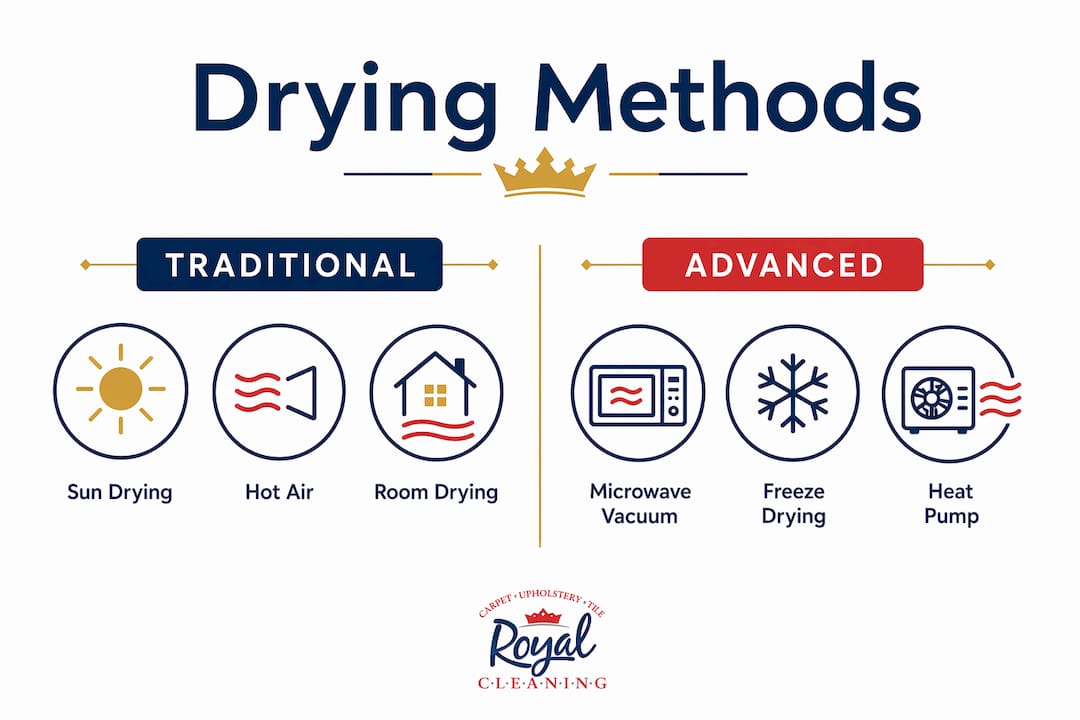
Drying methods fall into two broad categories: traditional and advanced. Traditional methods include sun drying, hot air drying, and tunnel drying. Advanced methods include microwave vacuum drying, vacuum freeze-drying, and heat pump drying. Each method differs in speed, energy use, and the quality of the dried material it produces.
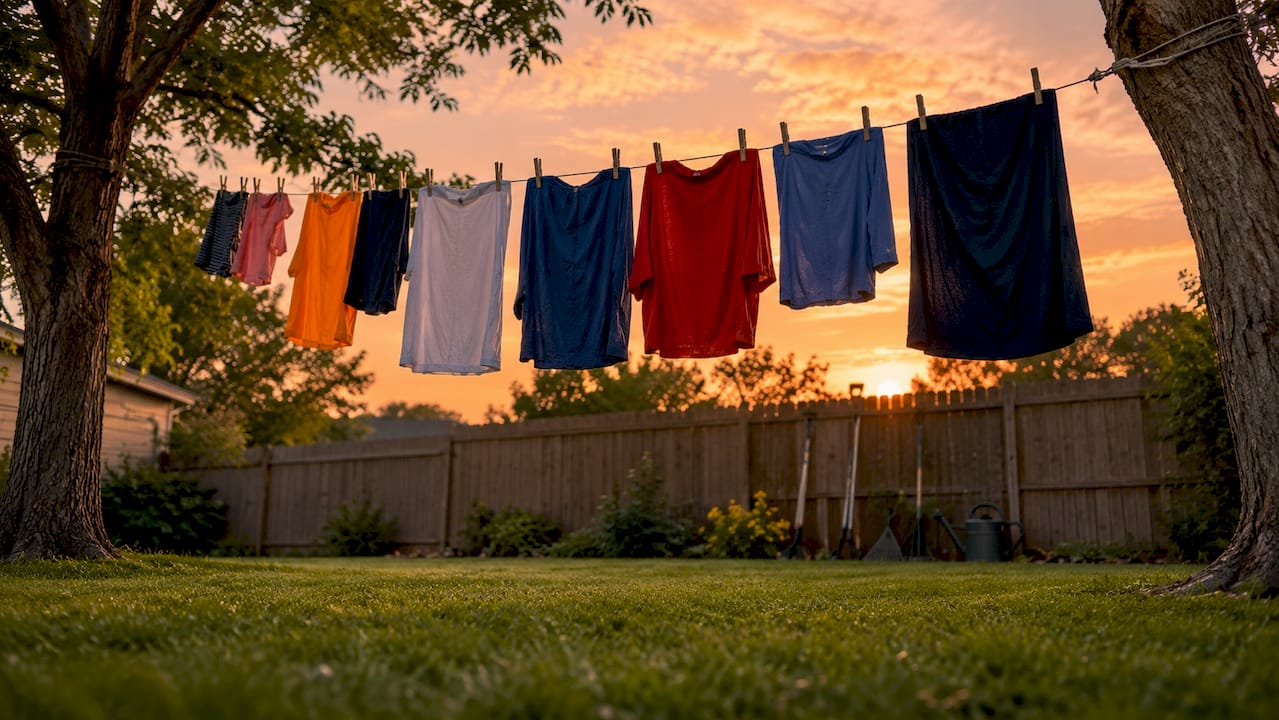
Sun drying is the oldest method. It costs almost nothing but depends entirely on weather conditions and takes days or weeks. Hot air drying (HAD) is faster and more controllable, but high temperatures can degrade heat-sensitive materials. Tunnel drying systems cut drying time by more than 60% compared to open sun drying. That time reduction matters significantly in renovation projects where delays invite mold.
Microwave vacuum drying (MVD) is the speed leader among advanced methods. MVD dries chili peppers in 26 minutes compared to 170 minutes for hot air drying. That is a 35–40 times faster rate. For home restoration after water damage, faster drying means fewer hours for mold spores to establish.
Vacuum freeze-drying (VFD) prioritizes quality over speed. VFD retains nutrients like vitamin C and polyphenols at rates above 84%. This method works best when preserving the integrity of sensitive materials matters more than processing speed.
| Method | Drying speed | Quality retention | Energy use |
|---|---|---|---|
| Sun drying | Very slow | Moderate | Minimal |
| Hot air drying (HAD) | Moderate | Moderate | Moderate |
| Tunnel drying | Fast | Good | Moderate |
| Microwave vacuum drying (MVD) | Very fast | Good | High |
| Vacuum freeze-drying (VFD) | Slow | Excellent | Very high |
| Heat pump drying | Moderate | Very good | Low to moderate |
Pro Tip: For post-flood home drying, heat pump drying offers a strong balance of speed, quality, and energy cost. It removes moisture without the extreme temperatures that can warp wood floors or damage adhesives.
How do drying techniques affect indoor health and home preservation?
Drying is not simply water removal. Correct moisture levels stabilize materials across food, textiles, and building structures. When moisture stays trapped in walls, carpets, or subfloors, bacteria, yeasts, and molds colonize quickly. The health consequences range from respiratory irritation to serious allergic reactions.
Residual moisture acts as a direct breeding ground for microbial growth. This applies equally to a wet carpet after cleaning and to drywall after a pipe leak. Achieving the correct final moisture content is not optional. It is the difference between a safe home and one with hidden mold colonies behind walls.
Moisture meters give you objective feedback on whether a material is actually dry. Moisture meters verify dryness and prevent premature storage or sealing that traps moisture inside. In renovation, sealing a wall before the framing reaches the correct moisture content guarantees future mold problems.
The connection between drying quality and indoor air quality is direct. Wet materials off-gas humidity into your living spaces. That elevated humidity feeds dust mites and mold spores, both of which degrade air quality. Proper drying after water intrusion, as outlined in guidance on drying after a flood, is the first defense against long-term air quality problems.
Key signs that drying has been insufficient in your home:
- A persistent musty odor in rooms or closets
- Visible discoloration or staining on walls and ceilings
- Warping or buckling in wood floors or baseboards
- Increased allergy symptoms with no other clear cause
- High humidity readings on a home hygrometer above 60%
Pro Tip: After any water intrusion event, use a pin-type moisture meter on walls, floors, and subfloors before closing up any surfaces. A reading above 19% in wood signals active risk for mold growth.
What are the common drying pitfalls and how do you avoid them?
Drying problems are more common than most homeowners realize. The most damaging is case hardening. Case hardening occurs when the exterior of a material dries too fast, shrinking surface pores and trapping moisture inside. The result is warping, cracking, or internal degradation that is invisible until serious damage has occurred.
Avoiding the most common drying mistakes requires a systematic approach:
-
Control temperature carefully. Excessive heat dries the surface faster than the interior can release moisture. Lower temperatures with longer drying times produce more uniform results in wood, textiles, and building materials.
-
Manage airflow direction. Directing high-velocity air at one surface concentrates drying unevenly. Rotating airflow or using multiple fans at lower speeds distributes drying more evenly across a material.
-
Use pretreatments when surface barriers exist. Natural waxy layers on produce or dense surface coatings on materials slow moisture migration. Pretreatments like blanching and ultrasonic waves disrupt these barriers and significantly increase drying efficiency.
-
Monitor humidity in the drying environment. High ambient humidity slows evaporation regardless of the method used. Dehumidifiers running alongside drying equipment accelerate the process and prevent re-absorption.
-
Validate with measurement, not guessing. Moisture meters provide objective diagnostic feedback. Drying success is material-specific and requires measured validation. Relying on touch or appearance alone leads to premature sealing and future mold.
Case hardening in timber can be prevented by maintaining controlled temperature and humidity gradients throughout the drying cycle. Adding steam at early stages keeps the surface pliable while internal moisture migrates outward. The same principle applies to thick textiles and dense carpet padding after water damage.
How do modern hybrid drying systems improve efficiency and outcomes?
Hybrid drying systems combine two or more drying technologies to capture the benefits of each while reducing their individual weaknesses. A common combination pairs microwave energy with heat pump drying. The microwave component drives rapid internal moisture removal. The heat pump component manages surface temperature and humidity without excessive energy consumption.
Precise control of temperature and humidity is the defining factor in hybrid drying success. Without tight parameter control, hybrid systems can overheat surfaces or create uneven moisture gradients that cause the same case hardening problems as simpler methods. The technology is only as good as the monitoring behind it.
Sustainability is a growing driver in drying technology selection. Refractance Window drying uses approximately 5% less thermal energy than conventional approaches. That reduction matters for homeowners and restoration professionals managing energy costs across multi-day drying projects. Energy-efficient drying methods reduce cost and environmental impact without compromising material quality.
Benefits of modern hybrid and energy-efficient drying systems in home and renovation contexts:
- Faster total drying time compared to single-method approaches
- Lower risk of surface damage from excessive heat
- Reduced energy consumption over multi-day drying projects
- Better moisture uniformity throughout thick materials like carpet padding and wall cavities
- Improved indoor air quality outcomes by eliminating residual moisture more completely
The practical application for homeowners is clear. After water damage or deep carpet cleaning, professional-grade drying equipment using hybrid principles removes moisture more completely and more safely than consumer fans alone. The difference shows up in air quality readings weeks after the event.
Key Takeaways
Proper drying technique selection determines material quality, microbial safety, and indoor air quality outcomes across every home maintenance and renovation context.
| Point | Details |
|---|---|
| Method selection matters | Choose drying methods based on material type, speed needs, and energy constraints. |
| Moisture meters are non-negotiable | Always validate dryness with a meter before sealing surfaces or storing materials. |
| Case hardening is a real risk | Control temperature and airflow carefully to prevent trapped moisture and warping. |
| Hybrid systems outperform single methods | Combining technologies improves speed, quality, and energy efficiency simultaneously. |
| Indoor air quality depends on drying | Incomplete drying feeds mold, dust mites, and allergens that degrade your home’s air. |
What I’ve learned from watching homeowners skip the drying step
Most renovation mistakes I see don’t happen during demolition or installation. They happen in the drying phase, or more accurately, in the phase where homeowners decide drying is done before it actually is. A wall that feels dry to the touch can still read 22% moisture on a meter. Seal that wall, and you’ve created a perfect mold incubator inside your own home.
The other pattern I see constantly is the wrong method for the material. Homeowners blast high-heat fans at water-damaged hardwood floors and wonder why the boards cup and buckle. The surface dries in hours. The interior moisture has nowhere to go. That’s case hardening in real life, and it’s expensive to fix.
What actually works is slower, more controlled drying with measurement checkpoints. A good moisture meter costs less than one service call to address mold remediation. The relationship between waterproofing and indoor allergies is also underappreciated. Homes that manage moisture at the structural level have fewer air quality problems year-round, not just after a flood.
My honest recommendation: treat drying as a technical process with measurable endpoints, not a waiting game. The science is clear. The tools are affordable. The cost of skipping proper drying shows up months later in mold, odors, and damaged materials that require professional intervention. Royal Carpet and Tile Cleaning sees this outcome regularly in Albuquerque homes where post-cleaning or post-flood drying was rushed or incomplete.
— Bernadette
How Royal Carpet and Tile Cleaning uses professional drying to protect your home
Moisture management sits at the center of every cleaning and restoration service Royal Carpet and Tile Cleaning provides in Albuquerque and Rio Rancho. After carpet cleaning, upholstery treatment, or water damage response, the drying phase determines whether results last or problems return.
Royal Carpet and Tile Cleaning uses professional-grade equipment and measurement tools to verify that carpets, upholstery, and surfaces reach correct moisture levels before the job is complete. That commitment prevents mold, eliminates odors, and protects your indoor air quality long after the crew leaves. Explore the full range of professional cleaning services available for every surface in your home, or review carpet cleaning tips to understand how expert drying methods protect your investment between professional visits.
FAQ
What is the role of drying techniques in home maintenance?
Drying techniques remove moisture from materials like carpets, walls, and wood to prevent mold, microbial growth, and structural damage. Correct moisture removal is the foundation of safe, healthy indoor air quality.
Which drying method works best after water damage?
Heat pump drying and hybrid systems that combine microwave and heat pump technologies produce the most uniform results after water damage. They remove moisture efficiently without the extreme temperatures that warp wood or damage adhesives.
How do I know when a material is actually dry?
A pin-type moisture meter gives you an objective reading. Relying on touch or appearance alone is unreliable. Wood framing should read below 19% moisture before any surface is sealed or covered.
What causes case hardening during drying?
Case hardening occurs when the exterior of a material dries too fast, shrinking surface pores and trapping moisture inside. Controlling airflow speed and temperature prevents this and produces more uniform drying throughout the material.
Why does incomplete drying affect indoor air quality?
Residual moisture feeds mold, bacteria, and dust mites inside walls, carpets, and upholstery. Those organisms release allergens and irritants into your air continuously until the moisture source is eliminated.