(505) 280-5216
Indoor air quality tips for Albuquerque homes: 5 proven steps
TL;DR:
- Effective indoor air quality in Albuquerque requires an integrated approach of source control, ventilation, and filtration.
- Local challenges include desert dust, pollen, low humidity, and wildfire smoke, impacting indoor environments.
- Regular maintenance, smart cleaning, humidity management, and professional duct cleaning improve health and comfort indoors.
Living in Albuquerque means dealing with some of the Southwest’s most persistent dust, pollen, and dry air conditions year-round. Indoor pollutant levels can run 2 to 5 times higher than outdoor air, and most people spend roughly 90% of their time inside. That combination makes indoor air quality a real health concern for local homeowners, not just a seasonal inconvenience. This article walks you through evidence-based strategies specifically suited to Albuquerque’s climate, so you can breathe easier at home without guessing at what actually works.
Table of Contents
- Understand the basics: What impacts your indoor air quality?
- Control sources of pollutants: The most effective foundation
- Ventilation: Fresh air strategies tailored for Albuquerque
- Filtration and cleaning: Optimize your HVAC and surfaces
- Duct cleaning and maintenance: When and how to take action
- Our perspective: What most guides miss about indoor air quality in Albuquerque
- Next steps: Professional help for cleaner indoor air
- Frequently asked questions
Key Takeaways
| Point | Details |
|---|---|
| Source control works best | Eliminating or reducing pollutants before they spread is the most effective way to improve your indoor air quality. |
| Ventilation needs balance | Use exhaust fans and time window opening carefully to maximize fresh air without inviting excess dust. |
| Upgrade filters often | High-quality filters (MERV 13+) and regular changes keep dust and allergens in check, especially in Albuquerque. |
| Duct cleaning is critical | In dry, dusty climates, regular air duct checks and periodic cleaning can eliminate major sources of indoor pollution. |
| Integrated strategy prevails | Combining cleaning, filtration, ventilation, and humidity control is the only way to achieve truly healthy indoor air year-round. |
Understand the basics: What impacts your indoor air quality?
Before you spend money on gadgets or products, it helps to understand what actually moves the needle on indoor air quality. The EPA identifies three core strategies for improving indoor air: source control, ventilation, and air cleaning or filtration. Each one plays a different role, and using all three together gives you the best results.
Source control means reducing or removing the things that pollute your air in the first place. This is the most cost-effective approach because it targets the problem directly. Ventilation brings in fresh outdoor air to dilute indoor pollutants. Air cleaning and filtration captures particles and contaminants that are already circulating inside your home.
One thing many homeowners miss: certain cleaning products and fresheners can temporarily raise volatile organic compounds (VOCs) indoors. VOCs are gases released from chemicals found in paints, sprays, and some cleaners. A source control study confirms that reducing pollution at its origin outperforms reactive fixes like air fresheners. For comprehensive air quality strategies tailored to local homes, it pays to look at all three pillars together.
| Strategy | What it does | Typical effort | Problems it addresses |
|---|---|---|---|
| Source control | Removes or reduces pollutant origins | Low to medium | Dust, VOCs, allergens, mold |
| Ventilation | Dilutes indoor air with fresh outdoor air | Low to high | CO2, cooking fumes, humidity |
| Air cleaning/filtration | Captures airborne particles | Low (filter changes) | Dust, pollen, pet dander |
Albuquerque-specific air quality concerns include:
- Desert dust and haboobs that infiltrate even well-sealed homes
- Very low humidity in winter and fall that dries out mucous membranes
- High spring pollen from juniper, elm, and mulberry trees
- Wildfire smoke during dry seasons that spikes outdoor particle counts
- Tracked-in soil from unpaved roads and desert landscaping
Knowing these local factors helps you prioritize which expert cleaning tips and strategies will make the biggest difference in your specific home.
Control sources of pollutants: The most effective foundation
Source control is where your biggest gains come from. The idea is simple: if you stop pollutants from entering or building up inside your home, you have less to clean up and filter out later.
The EPA recommends vacuuming with a HEPA-filtered vacuum, dusting with a damp cloth, and regularly cleaning soft surfaces like upholstered furniture and curtains. These steps physically remove allergens rather than just moving them around. In Albuquerque, where fine desert dust settles on every surface within days, consistency matters more than intensity.
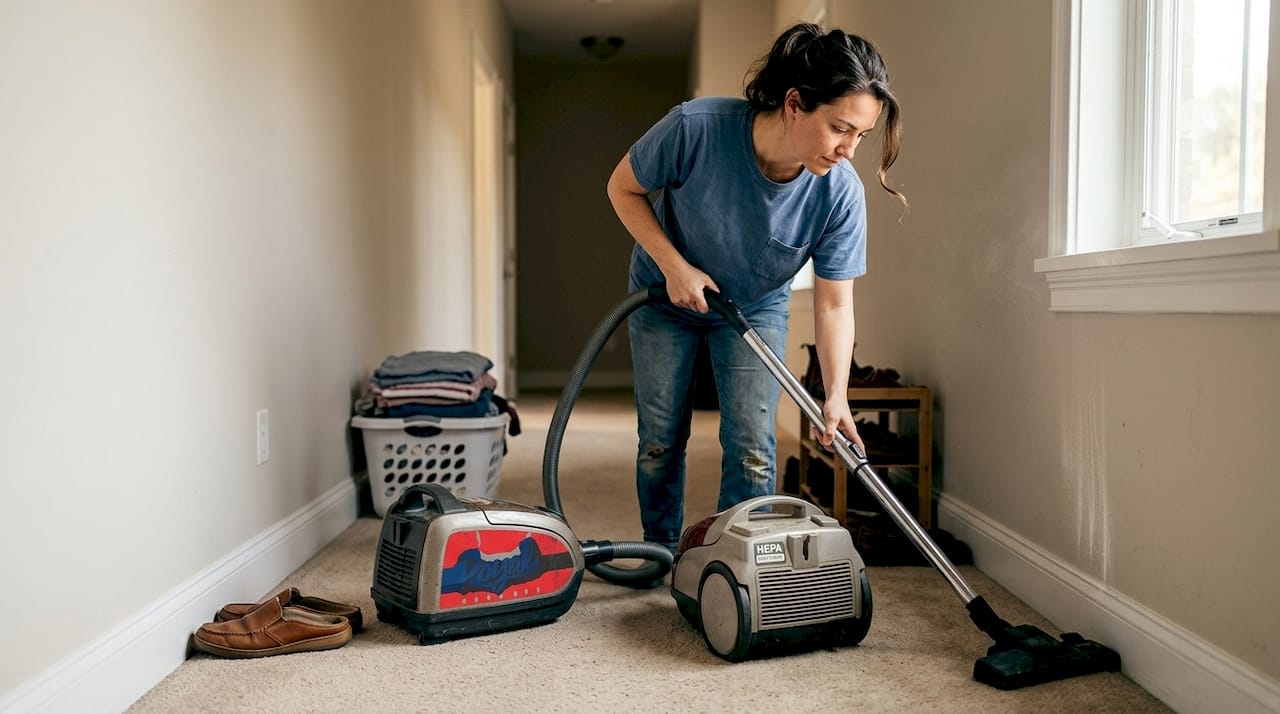
Moisture control is equally important. The ideal indoor relative humidity sits between 30% and 50%. Too low and your skin, throat, and nasal passages dry out. Too high and you risk mold and dust mites. Albuquerque’s dry climate often pushes humidity well below 30% in winter, so a whole-home or room humidifier can make a real difference in comfort.
Pro Tip: In Albuquerque, aim for 30% to 40% indoor humidity during dry months. A simple digital hygrometer costs under $15 and takes the guesswork out of monitoring your levels.
Practical source control moves for Albuquerque homes:
- Shoes-off policy at the door to stop tracked-in soil, pesticides, and allergens
- HEPA vacuum weekly, especially on carpets, rugs, and upholstered furniture
- Damp dusting hard surfaces instead of dry dusting, which stirs particles into the air
- Pet grooming outdoors to reduce dander buildup inside
- Switching to non-toxic, low-VOC cleaners to avoid adding chemical pollutants
- Sealing gaps around doors and windows to reduce dust infiltration during wind events
For households with allergy sufferers, deep cleaning for allergies and following structured allergy reduction tips can significantly cut the allergen load in your living spaces.
Ventilation: Fresh air strategies tailored for Albuquerque
Ventilation sounds straightforward, but in Albuquerque it requires some judgment. Opening windows on a calm spring morning is very different from opening them during a dust storm or on a high-pollen day.
Natural ventilation (open windows and doors) works well when outdoor air quality is good. Mechanical ventilation uses fans and HVAC systems to move air without relying on weather conditions. Both have a role in a healthy home.
The EPA advises running exhaust fans during cooking and showering, and keeping them running 10 to 20 minutes after you finish. This removes moisture, cooking fumes, and combustion byproducts before they spread through the house. For whole-home ventilation, ASHRAE 62.2 ventilation standards provide a formula based on home size and number of occupants, and research links higher air change rates to fewer respiratory symptoms.
For home air purification tips that go beyond basic fans, energy recovery ventilators (ERVs) are worth considering. They bring in fresh air while retaining indoor temperature, which is especially useful during Albuquerque’s hot summers and cold winters.
Safe seasonal window-opening steps for Albuquerque:
- Check the local Air Quality Index (AQI) at AirNow.gov before opening windows
- Avoid opening windows during spring juniper season (January through March) if you have allergies
- Keep windows closed on windy days or when dust is visible in the air
- Open windows in the early morning when temperatures and pollen counts are lower
- Use window screens with fine mesh to filter larger particles when ventilating
| Ventilation type | Dust control | Cost | Best for |
|---|---|---|---|
| Open windows | Low | Free | Low-dust, low-pollen days |
| Bath/kitchen exhaust fans | Medium | Low | Moisture and cooking fumes |
| Whole-house ERV | High | Medium to high | Year-round balanced ventilation |
Research on mechanical ventilation in new homes supports the value of planned ventilation systems over relying on air leaks alone, which is especially relevant for whole-home IAQ strategies in tightly built Albuquerque homes.
Filtration and cleaning: Optimize your HVAC and surfaces
Your HVAC system is one of the most powerful tools you have for managing indoor air quality. The filter it uses determines how well it captures particles before recirculating air through your home.
The EPA recommends upgrading to MERV 13 filters or higher if your system can handle the airflow restriction. MERV 13 filters capture fine particles including dust, pollen, mold spores, and some bacteria. In Albuquerque’s dusty environment, filters can clog faster than the standard 90-day recommendation, so check yours monthly and replace every 1 to 2 months during high-dust periods.
Pro Tip: Before upgrading to a higher MERV filter, check your HVAC manual or ask a technician about the maximum rating your system supports. A filter that is too restrictive can reduce airflow and strain the motor.
For duct cleaning frequency, sealing windows and doors and scheduling duct cleaning every 3 to 5 years is a solid baseline, but homes with pets or frequent dust storms may need it more often. Explore duct cleaning benefits to understand how clean ducts support your overall filtration system, and schedule duct maintenance before allergy season for best results.
Quick wins for cleaner air year-round:
- Replace HVAC filters every 1 to 2 months during dusty seasons
- Run a HEPA-rated portable air purifier in bedrooms overnight
- Vacuum carpets and rugs twice weekly with a HEPA vacuum
- Wash bedding weekly in hot water to kill dust mites
- Keep indoor plants to a moderate number since overwatered soil can grow mold
- Clean ceiling fans and vents monthly to prevent dust redistribution
Duct cleaning and maintenance: When and how to take action
Your air ducts are the hidden network that carries conditioned air to every room. When they collect dust, mold, or debris, that material gets pushed into your living spaces every time the system runs.
Duct contamination can contribute to up to 90% of indoor pollutants circulating through a home.
The EPA notes that duct cleaning is not always necessary unless there are visible issues, but local conditions in Albuquerque change that calculus. Fine desert dust, pet dander, and post-construction debris make more frequent cleaning a smart investment here.
Signs your ducts may need attention:
- Inspect supply and return vents for visible dust buildup or dark discoloration
- Check for musty or stale odors when the HVAC system first kicks on
- Note whether dust reappears on surfaces within days of cleaning
- Look for visible mold around vent covers or inside accessible duct sections
- Consider cleaning after any major remodeling, haboob, or pest infestation
- Schedule a professional inspection if your home is more than 5 years old without prior duct service
For detailed duct cleaning advice and a walkthrough of the duct sanitation steps used by professionals, reviewing those resources before hiring a service helps you ask the right questions and get a thorough job done.
Our perspective: What most guides miss about indoor air quality in Albuquerque
Most indoor air quality guides treat every home the same. They list the same tips regardless of whether you live in Seattle or Albuquerque. That approach misses something important.
Albuquerque presents a very specific combination of challenges: extremely fine desert particulates, rapid humidity swings between seasons, and homes that often have more air leaks than newer builds in other regions. A single fix, like buying an air purifier, will not hold up against all of that. What works is an integrated approach where source control, smart cleaning, filtration, and seasonal ventilation adjustments all work together.
We have seen homeowners invest in expensive air purifiers while skipping regular HVAC filter changes, and the results are always disappointing. The foundation has to come first. Keep a simple seasonal IAQ checklist posted somewhere visible, and adjust your routine as conditions change. Spring means tighter windows and more frequent vacuuming. Summer means watching humidity. Fall means checking ducts before heating season starts.
For expert cleaning perspectives grounded in real Albuquerque homes, the consistent message is the same: integration beats piecemeal action every time.
Next steps: Professional help for cleaner indoor air
Sometimes regular maintenance is not enough, especially after a severe dust event, a remodel, or a long stretch without professional service. That is where expert help makes a real difference.
At Royal Cleaning New Mexico, we specialize in the services Albuquerque homeowners need most for healthier indoor air. Our professional carpet cleaning removes embedded allergens and fine desert dust that vacuuming alone cannot reach. Our air duct cleaning services use advanced equipment to clear out years of buildup from your home’s ventilation system. And our upholstery cleaning experts restore your soft furnishings to a genuinely clean state. Schedule during allergy season or after any major dust event for the biggest impact on your home’s air quality.
Frequently asked questions
How often should I change my HVAC filter in Albuquerque?
Replace your HVAC filter every 1 to 3 months, or more often if you have pets, allergies, or experience frequent dust storms. Albuquerque’s desert environment clogs filters faster than average, so monthly checks are a smart habit according to EPA filter guidance.
Is opening windows good for air quality in Albuquerque?
Opening windows improves air quality when outdoor conditions are clean, but it can backfire during high pollen or dust events. The EPA recommends checking outdoor air quality before ventilating naturally.
How do I know if my ducts need cleaning?
Visible mold, heavy dust buildup at vents, or persistent stale odors are clear signs your ducts need attention. The EPA advises duct cleaning when visible contamination or post-remodel debris is present, and local experts recommend it more proactively in Albuquerque.
What humidity level should I maintain indoors?
Keep indoor relative humidity between 30% and 50% to prevent mold and dust mites while staying comfortable in Albuquerque’s dry climate. The EPA recommends this humidity range to protect both your health and your home.
What is the most important step for indoor air quality?
Controlling pollution at its source is the single most effective first step for cleaner indoor air. Source control outperforms reactive solutions like air fresheners or purifiers used without addressing the root cause.