(505) 280-5216
How home cleanliness improves health and air quality
Many Albuquerque homeowners don’t realize that professional cleaning can reduce indoor air pollutants by up to 50%. Your home’s cleanliness directly affects your respiratory health, especially if you suffer from allergies or asthma. This guide reveals how maintaining a truly clean home goes beyond what you can see and provides actionable steps to improve your indoor air quality through targeted cleaning strategies that address microscopic contaminants.
Table of Contents
- Understanding Home Cleanliness And Its Health Implications
- How Poor Home Cleanliness Contributes To Health Risks
- Benefits Of Professional Cleaning Services For Indoor Air Quality
- Common Misconceptions About Home Cleanliness And Health
- Practical Recommendations For Maintaining A Healthy Home Environment
- Enhance Your Home’s Health With Professional Cleaning Services In Albuquerque
- Frequently Asked Questions
Key takeaways
| Point | Details |
|---|---|
| Allergen reduction | Professional cleaning improves indoor air quality by 30-50% by removing microscopic pollutants regular cleaning misses. |
| Hidden contaminants | Dust mites, mold spores, and pet dander persist in carpets and air ducts despite visible surface cleanliness. |
| Health benefits | Regular professional cleaning reduces respiratory infections by 25% and alleviates asthma and allergy symptoms. |
| Local considerations | Albuquerque’s dry climate creates unique allergen challenges requiring specialized cleaning approaches. |
| Eco-friendly options | Professional services using green products and HEPA filtration improve air quality without introducing harmful chemicals. |
Understanding home cleanliness and its health implications
True home cleanliness extends far beyond sparkling countertops and vacuumed floors. It requires eliminating microscopic allergens and pathogens that threaten your respiratory health even when your home looks spotless.
The primary indoor contaminants affecting health include dust mites, mold spores, and pet dander. These microscopic particles accumulate in fabric surfaces, air ducts, and HVAC systems where standard cleaning methods can’t reach them. Dust mites and pet dander significantly exacerbate asthma and allergy symptoms in sensitive individuals.
Albuquerque’s arid climate creates specific challenges for indoor air quality. Low humidity levels allow dust particles to remain airborne longer, while seasonal pollen and desert dust infiltrate homes more readily than in humid regions. These environmental factors make why regular home cleaning matters even more critical for local residents.
Effective cleaning must target both visible surfaces and hidden allergen reservoirs:
- Deep carpet fibers that trap dust mites and pet dander
- Upholstered furniture where skin cells and mold spores accumulate
- Air duct systems circulating contaminated air throughout your home
- Window treatments and curtains collecting airborne particles
- Baseboards and corners where dust concentrates over time
Microscopic contaminants degrade your indoor air quality continuously. Each breath you take in your home exposes you to these particles, particularly during sleeping hours when you’re most vulnerable. Understanding this invisible threat helps you recognize why surface-level cleaning alone can’t protect your family’s respiratory health.
How poor home cleanliness contributes to health risks
Inadequate cleaning allows harmful allergens to accumulate rapidly, creating a cycle of worsening indoor air quality and escalating health problems. The mechanisms behind these risks deserve your attention because they affect your daily wellbeing.
Dust mites affect approximately 20 million Americans with allergic conditions and significantly worsen asthma symptoms. These microscopic creatures thrive in bedding, carpets, and upholstered furniture, feeding on dead skin cells that humans shed constantly. Their waste products become airborne and trigger allergic reactions ranging from mild sneezing to severe asthma attacks.
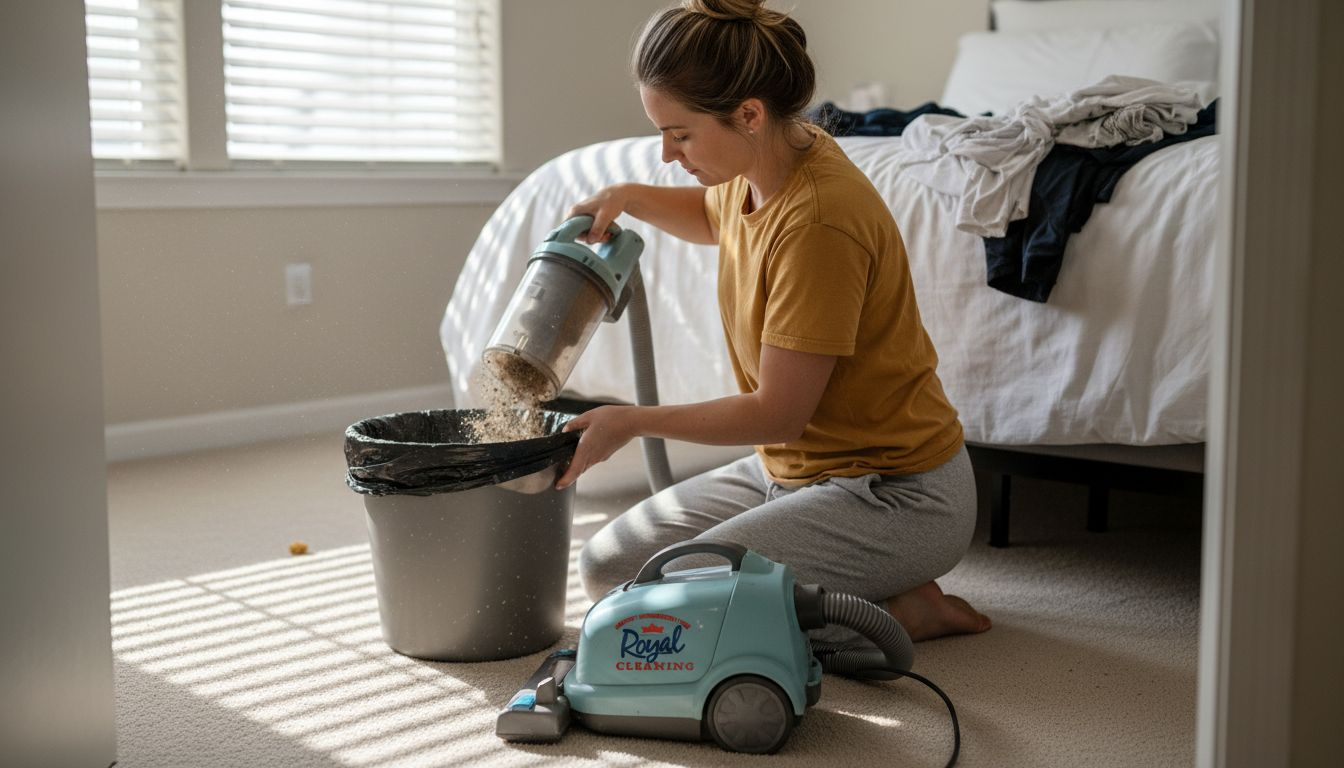
Poor air quality from accumulated pollutants increases your risk of respiratory infections. When airborne particulate matter concentrations rise, your respiratory system works harder to filter contaminants, weakening your natural defenses against viruses and bacteria. Children and elderly family members face particularly high risks from this compromised air quality.
Albuquerque’s environmental conditions amplify these problems. Desert dust contains silica particles that irritate lung tissue, while low humidity prevents natural particle settlement. These factors combine to keep allergens circulating in your home’s air far longer than in more humid climates.
Here’s how inadequate cleaning progressively damages your health:
- Allergens accumulate in carpet fibers and air ducts beyond reach of regular vacuuming
- Airborne particle concentrations increase as pollutants circulate through HVAC systems
- Respiratory irritation begins with minor symptoms like sneezing and congestion
- Chronic exposure triggers inflammation in sensitive individuals with allergies or asthma
- Long-term health impacts develop including reduced lung function and increased infection susceptibility
Regular housekeeping misses deep allergen reservoirs because standard vacuum cleaners lack HEPA filtration to capture microscopic particles. Ordinary cleaning recirculates these contaminants rather than removing them. Home maintenance cleaning health requires professional intervention to break this cycle effectively.
Benefits of professional cleaning services for indoor air quality
Professional cleaning methods deliver measurable health improvements by targeting allergen sources that regular cleaning can’t address. The difference lies in specialized equipment, proven techniques, and systematic approaches to contaminant removal.
HEPA filtration systems used in professional cleaning remove 99.97% of particles as small as 0.3 microns, capturing microscopic allergens that ordinary vacuums simply recirculate. This level of filtration eliminates dust mites, pollen, mold spores, and pet dander that trigger respiratory problems. Studies demonstrate indoor air quality improvement of 30-50% following comprehensive professional cleaning services.
Specialized cleaning targets hidden allergen reservoirs throughout your home. Carpet cleaning extracts deeply embedded contaminants using hot water extraction that penetrates fiber layers. Upholstery cleaning removes accumulated dust mites and skin cells from furniture fabric. Your home’s air ducts and health are intimately connected because duct cleaning eliminates contaminated dust circulating through your HVAC system.
Research shows professional cleaning reduces respiratory infections by 25% through systematic allergen removal. This improvement results from lower airborne particle concentrations that reduce respiratory system stress and strengthen natural immune defenses.
Pro Tip: Schedule professional cleaning before allergy season begins to minimize pollen accumulation and reduce seasonal symptom severity.
| Cleaning Method | Allergen Removal | Air Quality Impact | Frequency Needed |
|---|---|---|---|
| Regular vacuuming | 20-30% surface allergens | Minimal improvement | Weekly |
| Professional carpet cleaning | 85-95% embedded allergens | Significant improvement | Every 3-6 months |
| Air duct cleaning | 90%+ system contaminants | Major improvement | Every 2-3 years |
| HEPA vacuum service | 99.97% microscopic particles | Maximum improvement | Professional: quarterly |
Eco-friendly disinfectants provide effective sanitation without introducing volatile organic compounds that worsen indoor air quality. Traditional cleaning chemicals can trigger respiratory irritation and headaches in sensitive individuals. Green cleaning products maintain hygiene standards while protecting your family from chemical exposure.
Local Albuquerque expertise ensures cleaning services adapt to regional allergen challenges. Professional home allergen removal addresses desert dust, pollen types, and humidity considerations unique to New Mexico’s climate. Advanced cleaning equipment Albuquerque professionals use reflects understanding of local environmental conditions.
Common misconceptions about home cleanliness and health
Several widespread beliefs prevent homeowners from achieving truly healthy indoor environments. Correcting these misconceptions helps you make informed decisions about protecting your family’s respiratory health.
Visible cleanliness doesn’t guarantee microscopic contamination removal. You might maintain sparkling surfaces while harmful allergens accumulate in carpets, upholstery, and air ducts. Microscopic allergen presence despite visible cleanliness drives ongoing health risks that surface cleaning can’t address.
Many homeowners believe regular household cleaning alone controls indoor allergens adequately. Standard vacuums without HEPA filtration actually worsen air quality by dispersing microscopic particles into breathable air. Professional methods become necessary because they employ equipment specifically designed to capture rather than recirculate contaminants.
Chemical disinfectants can paradoxically harm indoor air quality when used improperly or excessively. Strong cleaning agents release volatile organic compounds that irritate respiratory systems and trigger headaches. Eco-friendly alternatives provide effective sanitation without these negative side effects.
Critical misconceptions include:
- Believing visible dust removal equals allergen elimination
- Assuming air fresheners improve rather than mask air quality problems
- Thinking annual deep cleaning suffices for allergen control
- Overlooking air ducts and HVAC systems as major contamination sources
- Underestimating professional cleaning frequency needed for health benefits
Homeowners frequently underestimate cleaning frequency necessary to maintain health improvements. Allergens accumulate continuously from outdoor infiltration, pet activity, and normal household activities. Three to six month intervals between professional services prevent problematic buildup, while annual cleaning allows allergen concentrations to reach harmful levels between treatments.
Understanding these misconceptions empowers you to optimize cleaning strategies for actual health improvement rather than cosmetic results. Why regular home cleaning matters becomes clear when you recognize the difference between surface tidiness and true indoor air quality.
Practical recommendations for maintaining a healthy home environment
Implementing effective cleaning strategies requires balancing professional services with smart maintenance between treatments. These actionable steps help you sustain healthy indoor air quality year round.
Schedule professional cleaning every 3 to 6 months for optimal allergy and respiratory health benefits. Homes with pets, children, or family members with asthma need quarterly service, while others can extend to semi-annual cleaning. This frequency prevents harmful allergen accumulation while remaining cost effective.
Select eco-friendly disinfectants to minimize chemical exposure without sacrificing sanitation effectiveness. Green cleaning products reduce volatile organic compound emissions that irritate respiratory systems. Look for certifications from environmental organizations when choosing household cleaners.
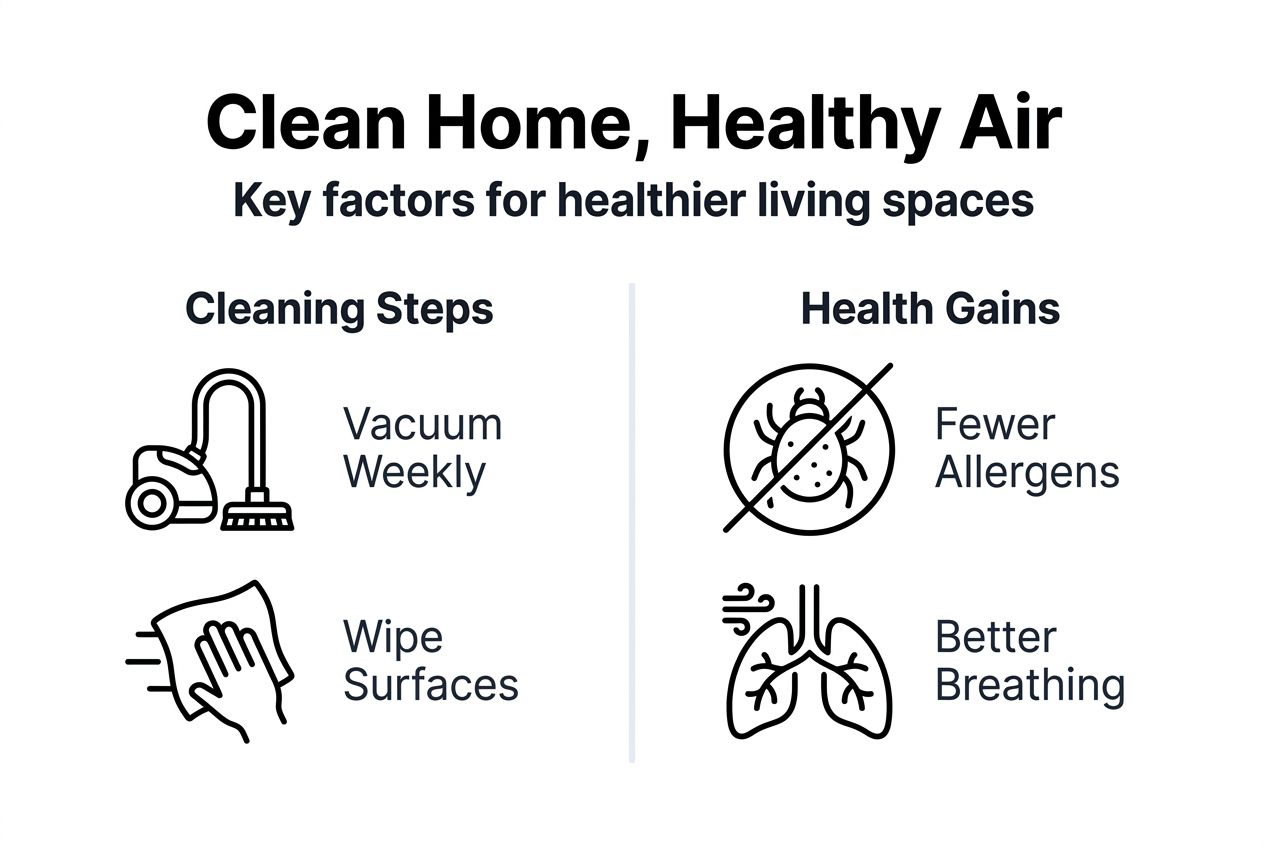
Pro Tip: Keep windows closed during high pollen days and run HVAC fans continuously to filter air through your system rather than allowing particles to settle on surfaces.
Follow these steps to maximize health benefits from your cleaning routine:
- Focus professional cleaning on high-risk areas including carpets, upholstery, air ducts, and dryer vents
- Use HEPA-filtered vacuums for weekly maintenance between professional services
- Change HVAC filters monthly during high-use seasons
- Monitor family health symptoms to identify when increased cleaning frequency becomes necessary
- Engage trusted local professionals familiar with Albuquerque’s specific allergen challenges
Carpet and upholstery harbor the most concentrated allergen reservoirs in typical homes. Carpet cleaning tips help you maintain these surfaces between professional treatments. Regular vacuuming with proper equipment reduces surface allergens significantly.
Air duct cleaning deserves special attention because contaminated ductwork continuously circulates pollutants throughout your home. Benefits of air duct cleaning include eliminating accumulated dust, mold spores, and debris that standard HVAC filters can’t capture. Professional air duct cleaning guide resources explain what to expect from thorough duct service.
Monitor humidity levels to prevent mold growth without creating conditions favorable for dust mites. Albuquerque’s dry climate naturally discourages mold, but bathroom and kitchen moisture can create localized problems. Maintain indoor humidity between 30-50% for optimal allergen control.
Enhance your home’s health with professional cleaning services in Albuquerque
Your family deserves the respiratory health benefits that come from truly clean indoor air. Royal Carpet Cleaning provides specialized services designed to reduce allergens and improve air quality in Albuquerque homes facing unique desert environment challenges.
Our expert technicians use HEPA-filtered equipment and eco-friendly products to eliminate microscopic contaminants that regular cleaning misses. We understand local allergen patterns and adapt our methods to address Albuquerque’s dust and pollen challenges effectively. From professional carpet cleaning that extracts deeply embedded allergens to upholstery cleaning services restoring furniture freshness, we target the hidden reservoirs compromising your air quality. Our benefits of air duct cleaning services ensure your HVAC system distributes clean air rather than circulating contaminants throughout your home.
Frequently asked questions
How often should I schedule professional cleaning to maintain healthy indoor air?
Schedule professional cleaning every 3 to 6 months depending on your family’s allergy severity, pet ownership, and local environmental conditions. Homes with asthma sufferers or multiple pets benefit from quarterly service, while others can maintain health with semi-annual deep cleaning.
Do regular household cleaning methods remove all harmful allergens and pollutants?
Regular cleaning removes surface dirt but misses deep allergens embedded in carpet fibers, upholstery, and air ducts. Professional cleaning uses HEPA filtration and specialized equipment to capture microscopic pollutants that standard vacuums simply recirculate into your breathing space.
What are the benefits of using eco-friendly cleaning products at home?
Eco-friendly products reduce harmful chemical residues and volatile organic compound emissions that worsen indoor air quality. They maintain effective disinfection and cleaning power without triggering respiratory irritation, headaches, or allergic reactions common with traditional harsh chemicals.
How can Albuquerque homeowners address unique local allergens?
Hire local professionals familiar with Albuquerque’s desert dust, pollen types, and low humidity challenges. Regular cleaning of air ducts, carpets, and upholstery helps control the elevated dust levels and airborne particles characteristic of New Mexico’s arid climate.