

 (505) 280-5216
Is Duct Cleaning Worth It? What the Evidence Actually Shows
Duct cleaning is not worth it as a routine, on-a-schedule expense for most homes. The EPA does not recommend cleaning ducts on a fixed timetable, and there’s no research showing it prevents health problems in a typical, dry, well-maintained house. It becomes worth it, and often necessary, when your ducts show a specific trigger: visible mold on hard duct surfaces, rodents or insects, debris heavy enough to choke airflow, a persistent odor, or contamination after a fire or flood.
If none of those apply to your home, save your money. If one does, here’s what to do before you sign anything:
- Inspect your registers first. Pull a vent cover and look inside with a flashlight for dust buildup, debris, or anything that looks like mold.
- Ask any contractor for camera footage before and after the job, not just a verbal assurance that “it was dirty.”
- Consider cheaper fixes first — a filter upgrade or a coil cleaning often solves the actual problem faster than a full duct job.
The EPA’s own guidance is blunt: dirt inside ducts usually sticks to interior surfaces rather than blowing into your living space, which is why blanket cleaning schedules aren’t backed by the agency. That does not mean duct cleaning is useless. It means it is a targeted repair, not a maintenance ritual, and the difference matters for your wallet and your health.
Key Takeaways
Duct cleaning delivers real value only when a specific contamination trigger exists; without one, prevention and filtration typically offer a better return on your money.
Table of Contents
- Signs You Need Duct Cleaning: The Triggers That Actually Justify It
- Does Duct Cleaning Improve Air Quality? What the Research Shows
- How Much Does Duct Cleaning Cost, and When Is the Price Fair?
- What to Expect From a Proper Duct Cleaning Service
- Are There Better Alternatives to Duct Cleaning?
- Why the “Clean Every Few Years” Advice Misses the Point
- Booking an Air Duct Assessment With Royal Carpet and Tile Cleaning
- Sources
- FAQ
Signs You Need Duct Cleaning: The Triggers That Actually Justify It
Homeowners often ask “how often should you clean ducts?” as if there’s a universal answer, like changing smoke detector batteries. There isn’t one. The honest answer is: clean them when a specific condition shows up, not on a calendar. Here are the triggers that carry real weight, based on federal guidance and what actually causes measurable problems in a home’s air system.
1. Visible mold growth inside hard-surface ducts
Mold growing on the sheet metal interior of your ducts is the clearest, most defensible reason to clean. It’s also the trigger most often faked by shady sales reps who point a flashlight at ordinary dust and call it mold. Before you approve any remediation, ask to see it yourself. If the substance looks ambiguous, a tape sample sent to a microbiology lab is a cheap way to confirm mold versus dust before anyone opens up your system.
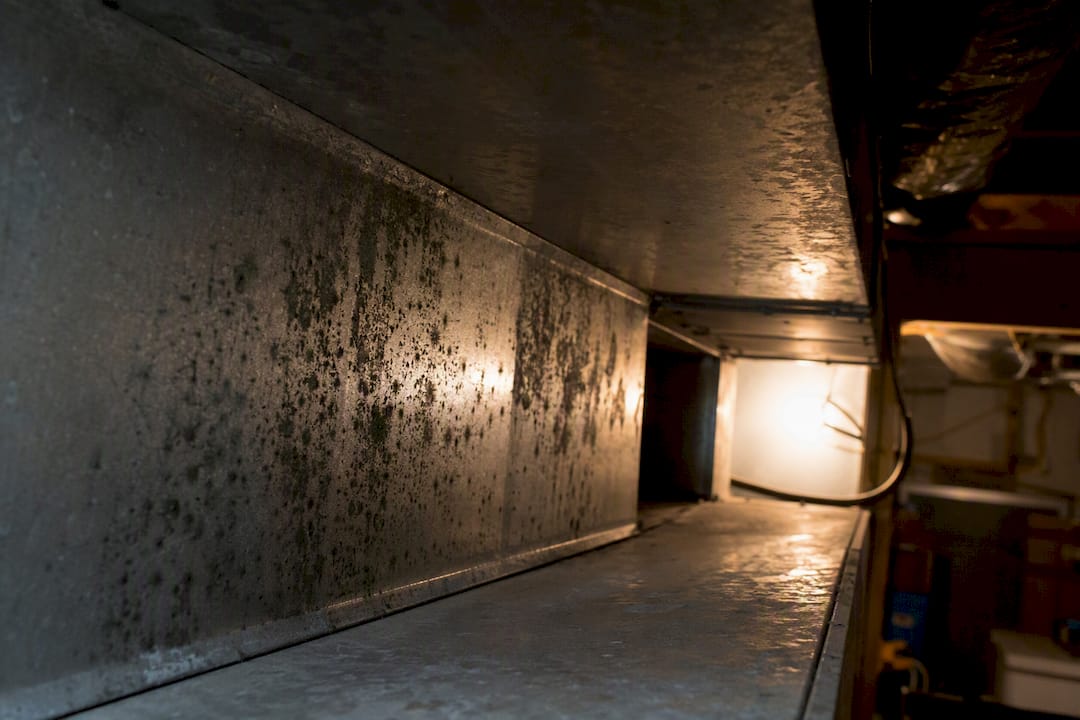
One detail nobody tells you upfront: if your ducts have a fiberglass liner or insulation and that liner is wet or moldy, cleaning won’t fix it. Porous material that’s absorbed moisture has to be cut out and replaced, not vacuumed, according to EPA guidance on duct materials. A contractor who offers to “clean” moldy insulation instead of replacing it is either uninformed or cutting corners.
2. Rodents, insects, or their droppings in the system
If you’ve heard scratching in your vents or found droppings near a register, that’s a straightforward, evidence-backed reason to clean. Pest contamination isn’t ambiguous the way mold sometimes is. Once vermin have nested or died inside ductwork, the debris and odor won’t resolve on their own, and running a HEPA-filtered vacuum system through the ducts is the only realistic remedy.
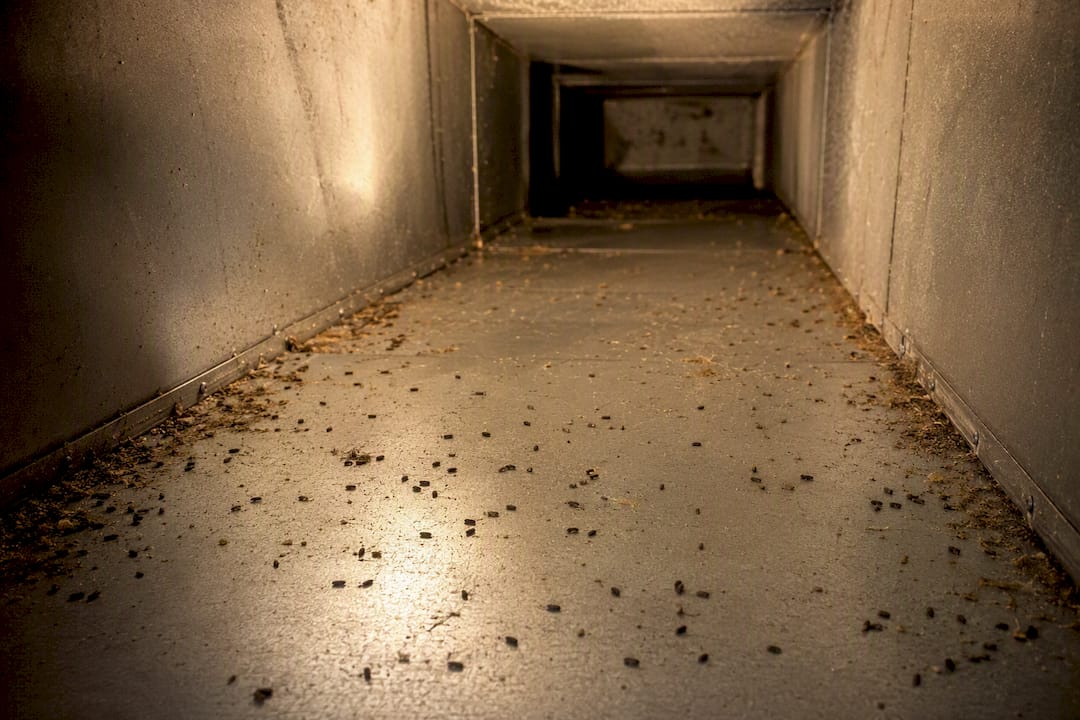
3. Debris heavy enough to restrict airflow or blow out of vents
This is different from a light coating of household dust, which is normal and doesn’t justify a service call. The trigger here is debris you can see or feel coming out of a register, or airflow that’s noticeably weaker in specific rooms because a duct run is partially blocked. Construction dust after a renovation is a common cause, and it’s one of the few scenarios where cleaning delivers an obvious, visible before-and-after result.
4. Strong, persistent odors coming specifically from the ducts
Smell is a legitimate diagnostic tool, but only if you’ve isolated the source. Hold your hand near a supply register when the system is running; if the odor is stronger there than in the room generally, it likely originates in the ductwork or at the coil. Musty odors often point to moisture and possible mold. Chemical or sharp odors sometimes trace back to something that got sucked into the return and is sitting on a duct wall.
5. Contamination after a fire or flood
Smoke residue and floodwater are the two scenarios where duct cleaning stops being optional. Smoke particulates coat every interior surface of the system, and floodwater can introduce contaminants and mold spores throughout the ductwork within 24 to 48 hours. In both cases, skipping cleaning means recirculating that contamination every time the HVAC system runs.
Pro Tip: Before you agree to a cleaning based on any of these triggers, ask the contractor to run a camera through the duct first and show you the footage on the spot. A legitimate provider will do this without hesitation; a company selling a fear-based upsell usually won’t have the equipment to back it up.
Each of these triggers shares one thing in common: they represent an active contamination source, not a hypothetical one. That’s the line between duct cleaning being a smart repair and duct cleaning being an unnecessary expense dressed up as preventive care.
Does Duct Cleaning Improve Air Quality? What the Research Shows
The honest answer is: sometimes, and not by as much as most sales pitches imply. The EPA has studied this question directly, and its findings are more nuanced than either duct cleaning skeptics or duct cleaning companies tend to admit.
“Duct cleaning has never been shown to actually prevent health problems,” the EPA states in its consumer guidance, adding that dirt in the ductwork is only one of many possible sources of particles in a home and does not by itself indicate that ducts need cleaning.
That’s a striking statement to see from a federal agency, given how common duct cleaning marketing implies the opposite. The EPA’s position isn’t that cleaning never helps. It’s that there’s no evidence it helps as a routine, preventive measure in a typical home with no specific contamination issue.
What an EPA field study actually found
A pilot field study conducted by the EPA tested mechanical duct cleaning methods in real homes and measured the results directly, rather than relying on customer satisfaction surveys. The methods worked at the one thing they’re designed to do: they removed particulate and fibrous debris from duct interiors, and some homes saw a measurable increase in airflow afterward. Where the study came up short was on the two questions homeowners actually care about. Researchers couldn’t reliably connect the cleaning to lower airborne particle concentrations or to measurable energy savings.
That gap matters. A contractor can show you real before-and-after camera footage of a genuinely dirty duct getting cleaned, and that footage can be completely accurate, while the claim that cleaning “will improve your air quality” or “cut your energy bill” remains unproven for your specific situation. The dust came out. Whether it was making you sick, or costing you money to circulate, is a separate question the data doesn’t answer for most homes.
Why the science stays inconclusive for average homes
The DOHS fact sheet from NIH’s Office of Research Services reinforces this pattern: cleaning reliably removes particulate matter from duct surfaces, but its effect on airborne concentrations and energy consumption varies enough across studies that no consistent benefit has been established. Part of the reason is that a typical home has multiple particle sources running simultaneously, carpet, pets, cooking, outdoor infiltration, so isolating the duct system’s specific contribution is genuinely hard to measure. It’s also worth noting that homes with the worst contamination to begin with tend to show the clearest improvement, while a well-maintained, low-debris system often shows little measurable change either way.
There’s a flip side worth taking seriously: cleaning done badly can make things worse. That’s the strongest argument yet for insisting on camera documentation and a contractor who follows industry standards rather than the lowest-priced option on a coupon site.
How Much Does Duct Cleaning Cost, and When Is the Price Fair?
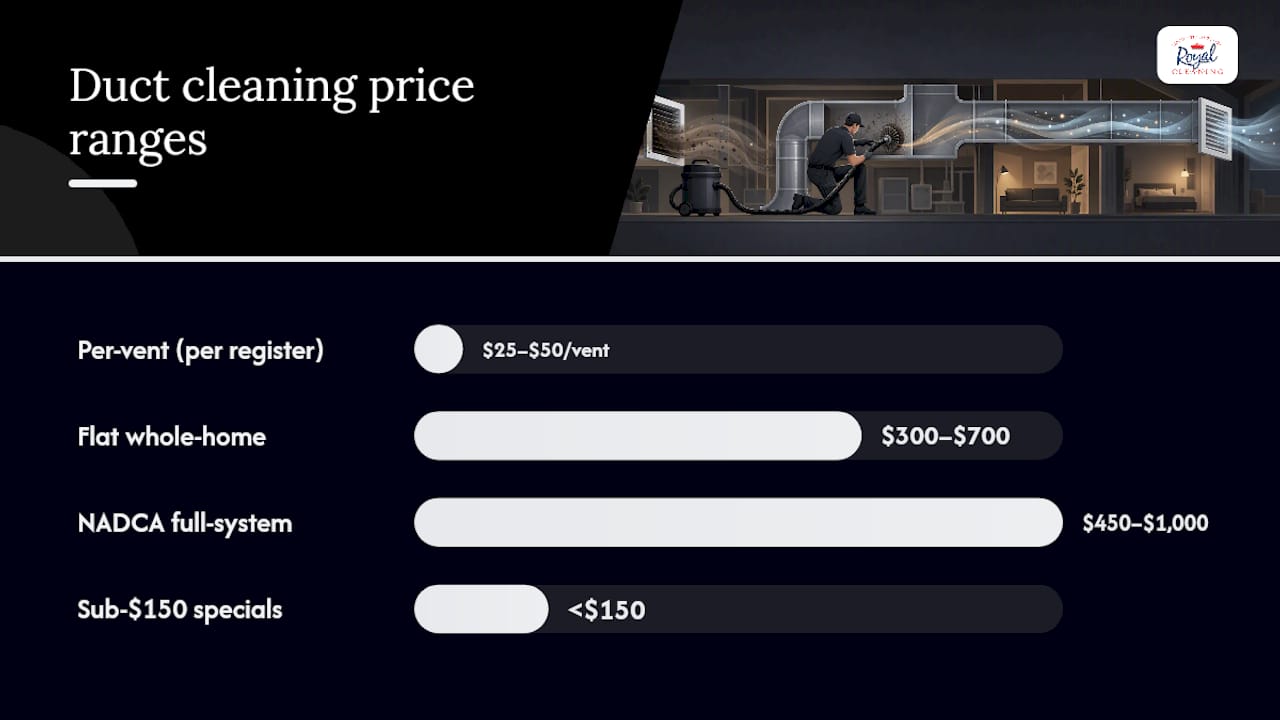
A complete professional duct cleaning for a typical single-family home commonly runs $300 to $700. For a job that meets the full NADCA (National Air Duct Cleaners Association) standard, covering every component in the system rather than just the main trunk, expect $450 to $1,000. Anything priced dramatically below that range usually means a narrower scope, not a better deal.
How pricing models break down
Contractors typically quote one of three ways, and knowing which model you’re getting helps you compare bids apples to apples:
- Per-vent pricing, often $25 to $50 per register, which can add up fast in a home with 15 to 20 vents.
- Flat whole-home pricing, a single number covering the entire job regardless of vent count, which is usually easier to budget against.
- Hourly or add-on pricing, where the base visit is cheap but sanitizing treatments, coil cleaning, or “mold treatments” get tacked on once the technician is already in your house.
The third model is where most complaints originate. A $99 special almost always covers only the main supply trunk, not your full system, and not the registers, air handler, or coil.
| Pricing Model | What It Typically Covers | Watch For |
|---|---|---|
| Per-vent ($25 to $50/vent) | Individual register cleaning | Total cost can exceed a flat-rate job in larger homes |
| Flat whole-home ($300 to $700) | Full duct run, standard scope | Confirm registers and air handler are included |
| NADCA full-system ($450 to $1,000) | Supply/return ducts, registers, air handler, coil | Highest scope, ask for written breakdown |
| Sub-$150 specials | Main trunk line only, often a lead-generation offer | Frequently followed by expensive on-site upsells |
What separates a fair quote from a scope trap
The gap between a $99 pass and a $700 full-system clean is scope, not some hidden discount. When you’re comparing estimates, ask each company to itemize exactly what’s included: supply ducts, return ducts, registers and grilles, the air handler, the blower, the evaporator coil, and the drain pan. If a quote doesn’t specify these components, assume it doesn’t include them.
Also watch for the classic bait-and-switch: a technician arrives for the advertised special, then claims they’ve found mold and need to charge several hundred dollars more for “treatment,” often without offering to show you the substance or test it. That’s a sales script, not a diagnosis. A legitimate provider tests or visually confirms contamination before quoting remediation, and shows you the evidence rather than just naming a price.
What to Expect From a Proper Duct Cleaning Service
Is HVAC duct cleaning necessary for your specific situation, and if you decide yes, what should the actual job look like? The standard to measure against is set by NADCA, the industry association whose specifications describe a full-scope, whole-system cleaning rather than a partial pass at the easiest-to-reach ductwork.
1. Confirm the scope covers the entire system
A NADCA-standard job addresses the supply ducts, return ducts, registers and grilles, the air handler unit, the blower assembly, the evaporator coil, and the drain pan. Skipping the coil and air handler is common among discount providers, even though those components collect as much biological material and debris as the ductwork itself, sometimes more.
2. Require camera documentation, not just a verbal report
Ask for video or camera inspection footage before work begins and after it’s finished. This single step does more to protect you from unnecessary upsells than any other precaution, since it turns “trust me, it’s bad in there” into evidence you can see with your own eyes.
3. Vet the company before you book
- Confirm proof of liability insurance in writing.
- Ask whether technicians hold NADCA certification or equivalent training.
- Request at least two references from recent local jobs.
- Ask whether they provide before-and-after photos or video as standard practice, not as a special request.
4. Get a written estimate with itemized scope
Verbal quotes are where vague promises turn into surprise charges. A written estimate should list every component included in the price, the cleaning method used, and whether any add-ons (sanitizing, mold treatment, coil cleaning) are separate line items.
Pro Tip: If a company won’t put its scope in writing before the appointment, that’s your answer. Reputable providers, including our team at Royal Carpet and Tile Cleaning, expect homeowners to ask these questions and treat a written scope as standard, not as a favor.
5. Watch for these red flags specifically
Sub-$150 whole-home specials advertised aggressively online are almost always a lead-generation tactic, designed to get a technician in your home so they can upsell once there. Immediate mold remediation claims made without visible evidence or lab testing are another warning sign, as is reliance on fogging or “sanitizing spray” as a substitute for actual physical debris removal. Fogging can be a reasonable add-on after mechanical cleaning, but it is not a replacement for it. Our air duct cleaning guide walks through what a full-scope visit should include if you want to compare it against a quote you’ve already received.
Are There Better Alternatives to Duct Cleaning?
Before you spend $300 or more on duct cleaning, several cheaper and often more effective steps deserve consideration first, especially if your goal is better indoor air quality or a lower energy bill rather than fixing a confirmed contamination issue.
- Upgrade your furnace filter. A higher-MERV filter, changed on a consistent schedule (every 60 to 90 days for standard filters, more often with pets), catches particles before they ever settle in your ductwork.
- Add portable HEPA filtration in bedrooms or living areas if allergies are the real concern, since it addresses airborne particles directly rather than relying on the whole duct system.
- Clean the coil and blower during routine HVAC service. These components often accumulate more biological debris than the ducts themselves, and a technician can access them during a standard maintenance visit.
- Seal and insulate your ductwork. Leaky ducts lose conditioned air into attics and crawlspaces, and sealing them typically delivers more consistent energy savings than a duct cleaning ever will, according to guidance from ENERGY STAR.
- Fix moisture problems at the source. If humidity or a roof leak is feeding mold growth, cleaning without addressing that source only buys you a temporary reset. Persistent attic moisture issues, including roof ventilation problems, are a common upstream cause worth ruling out first.
None of this means duct cleaning is pointless. It means the alternatives listed above usually deliver a clearer, more measurable return, and they’re worth doing whether or not you end up cleaning your ducts at all. If you’ve confirmed contamination through one of the triggers covered earlier, pairing duct cleaning with a coil cleaning and a filter upgrade addresses the problem from every angle instead of just one. For more on which airflow fixes matter most, see our breakdown on improving indoor air quality through smarter HVAC airflow.
Why the “Clean Every Few Years” Advice Misses the Point
The conventional wisdom, that ducts should be cleaned on some fixed interval, gets the whole question backward. It treats duct cleaning like an oil change instead of what it actually is: a targeted repair for a specific, identifiable problem. The research supports one clear judgment: cleaning works well at removing what’s actually in the ducts, but it does nothing measurable for a system that wasn’t contaminated to begin with.
What gets overlooked most often is the moisture question. Homeowners fixate on whether to clean, but skip asking whether something is actively causing the mess to return. Clean ducts without fixing a leak or a humidity problem, and you’ll be paying for the same service again in two years.
If you take one thing from this guide, prioritize the diagnosis over the purchase. Look for an actual trigger, insist on camera evidence, and only then decide whether cleaning is the right tool for the problem you’ve confirmed.
Booking an Air Duct Assessment With Royal Carpet and Tile Cleaning
If you’ve spotted one of the real triggers, visible mold, pest debris, restricted airflow, or post-flood contamination, Royal Carpet and Tile Cleaning gives you a direct alternative to the guesswork of a discount coupon service. We run a camera inspection before and after every job, so you see exactly what’s in your ducts and exactly what came out, instead of taking a technician’s word for it.

Our process covers the full system: supply and return ducts, registers, the air handler, blower, and coil, using advanced extraction equipment and eco-friendly disinfectant options when sanitizing is genuinely warranted. Pricing is transparent and itemized before we start, with no on-site mold “discoveries” that weren’t shown to you first. Albuquerque and Rio Rancho homeowners can request a written estimate and camera assessment through our air duct cleaning service page, or check out our full duct and vent cleaning guide to see what’s included before you book.
Sources
- Should You Have the Air Ducts in Your Home Cleaned? | US EPA
- DOHS Fact Sheet On HVAC Duct Cleaning (NIH Office of Research Services)
- EPA pilot study on HVAC system cleaning effectiveness (NEPIS)
- Air Duct Cleaning Cost in 2026: Real Prices and When to Skip It | Home Energy Decisions
FAQ
Is it a waste of money to have your air ducts cleaned?
It’s a waste of money if you have no confirmed trigger like mold, pests, or heavy debris; it’s a reasonable expense when one of those conditions is actually present and documented.
Do you actually need duct cleaning?
Most homes don’t need it on any routine basis, but it becomes necessary when ducts show visible mold on hard surfaces, vermin contamination, airflow-blocking debris, or damage from a fire or flood.
What are the disadvantages of duct cleaning?
The cost can run $300 to $1,000 for full scope, benefits to air quality and energy use are often inconclusive in typical homes, and improper cleaning by an untrained contractor can actually release more dust into your living space than it removes.
Is it worth it to clean ducts when you buy a house?
It’s worth a visual inspection and camera check as part of your home purchase process, but only worth paying for cleaning if that inspection reveals mold, pest debris, or heavy contamination rather than routine dust.
How often should you clean ducts?
There’s no fixed interval; inspect your registers periodically and schedule cleaning only when a specific trigger, like visible mold or restricted airflow, actually appears.



