

 (505) 280-5216
Keep Carpets Dry 24–48 Hours: Hot Water Extraction for Homeowners
Hot water extraction delivers deeper soil and allergen removal than routine vacuuming, and most homeowners find it worth scheduling on a regular basis. The main gains are embedded dirt removal, allergen and odor reduction, and restored appearance in carpet and upholstery. One caution matters as much as the cleaning itself: drying should stay within 24 to 48 hours to avoid moisture problems, which is a good reason to bring in a professional when in doubt.
TL;DR:
- Hot water extraction effectively removes oil and ground-in soil that vacuuming cannot reach, providing a deeper clean and allergen reduction of 83 to 97 percent.
- Proper drying within 24 to 48 hours is crucial to prevent mold, with professional services typically achieving faster moisture removal than DIY methods.
- Each step in the cleaning process, including pre-inspection, agitation, and high-flow extraction, significantly improves soil removal and overall cleaning results.
- Delicate fibers or natural rugs require testing beforehand to avoid shrinkage or dye bleeding caused by heat and moisture; residue from improper rinsing can also speed up resoiling.
- For heavy, persistent, or water-damaged soiling, or if allergies or sensitivities are a concern, hiring a certified professional is recommended over rental equipment.
Table of Contents
- What homeowners gain from deep cleaning
- How hot water extraction works and why each step matters
- Indoor air quality: allergens, bacteria, and moisture control
- Limitations, fabric concerns, and mistakes to avoid
- Deciding when to hire a professional and what to ask
- What I recommend based on the research
- How Royal Carpet and Tile Cleaning can help
- Sources
- FAQ
What homeowners gain from deep cleaning
Vacuuming handles the surface. It captures 90 to 95% of dry soil by weight, according to industry testing, but it cannot reach the oily residues, pollutants, and ground-in particles that settle deep in carpet fibers over time. Hot water extraction reaches that layer. Heated water and cleaning solution are injected under pressure, loosening what vacuuming leaves behind, then a high-flow vacuum pulls the soil and moisture back out.
The health case is where the method stands out. A controlled study on domestic allergen levels found that a proprietary hot water extraction process reduced surface allergens by 83 to 97%, with measurable drops in airborne particle counts as well. For a household managing pet dander or dust mite sensitivity, that is a meaningful shift in air quality, not just a cosmetic one.
After a service, homeowners typically notice:
- Carpet and upholstery colors look brighter and more even.
- Odors from pets, spills, or general use fade noticeably.
- Traffic-lane graying and matting soften or disappear.
- The room smells cleaner without a strong chemical scent lingering.
Combined with the benefits of professional carpet treatment, these results explain why hot water extraction is the standard recommendation for periodic deep cleaning rather than a one-time fix.
How hot water extraction works and why each step matters
Hot water extraction is a process, not a single spray-and-suck action. A properly run job follows a sequence:
- Pre-inspect the carpet or fabric for stains, wear, and fiber type.
- Pre-vacuum to remove loose, dry soil before any liquid touches the surface.
- Apply a preconditioning solution to break down embedded grime.
- Agitate the fibers so the solution reaches ground-in soil.
- Allow a dwell time, often around ten minutes, for the solution to work.
- Inject hot water and extract it along with the loosened soil.
- Groom the fibers to even out the pile.
- Dry thoroughly using airflow and dehumidification.
Each step earns its place. Testing on preconditioning shows that applying a prespray with proper dwell time and agitation, then rinsing with hot water, improves soil removal by about 16% compared with adding chemical straight into the machine’s tank. Heat lowers the viscosity of oily soils, dwell time gives the solution a chance to break bonds between dirt and fiber, and high-flow extraction removes both soil and moisture rather than pushing water further into the pad.
Steam cleaning is often used as another name for the same process, though true steam carries little moisture and cleans less deeply. Dry cleaning methods use minimal liquid and dry fast, but they generally lift less embedded soil.
Pro Tip: Ask whether the technician plans a dwell time before extraction. Skipping it is the fastest way to end up with a carpet that looks clean on top but still holds soil underneath.
Indoor air quality: allergens, bacteria, and moisture control
The allergen reductions mentioned earlier only hold up if drying is handled correctly. Wet carpet fibers and padding are exactly the kind of damp material mold needs to take hold, which is why moisture control matters as much as the cleaning itself.
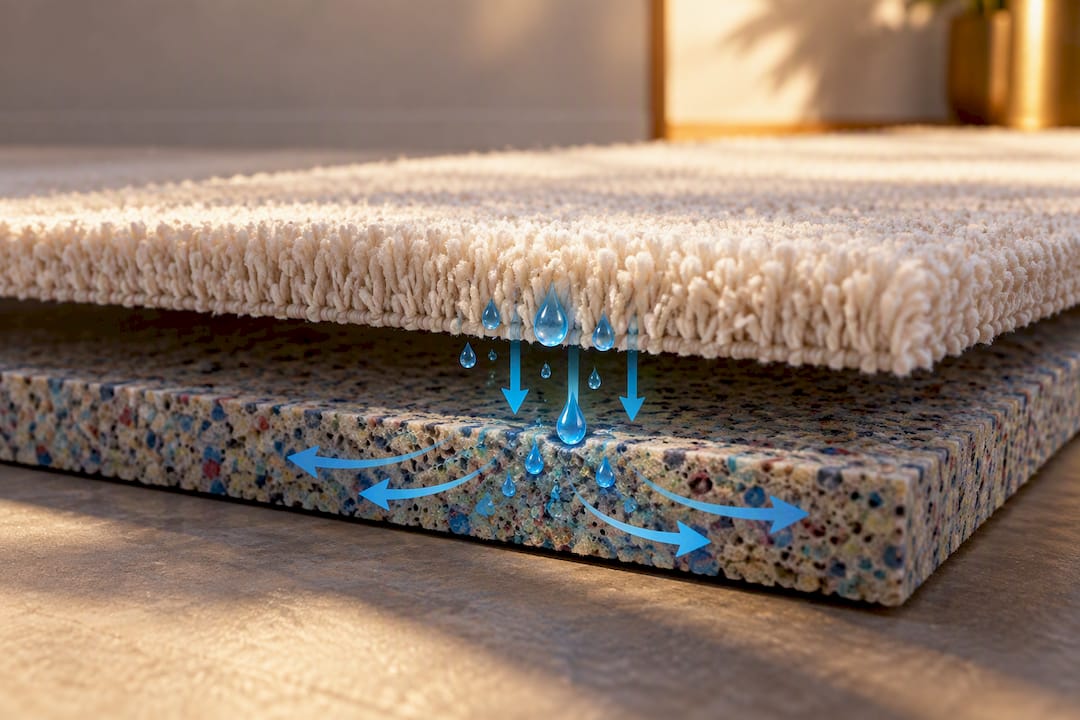
The EPA advises drying wet or water-damaged materials within 24 to 48 hours to prevent mold growth, noting that moisture control is the central factor in mold prevention. Professionals generally aim for under 24 hours where conditions allow, and treat 48 hours as the outer limit.
Homeowners can speed drying with a few practical steps:
- Run air movers or fans across the cleaned area for several hours.
- Use a dehumidifier in the room, especially in humid weather.
- Turn on the HVAC system to keep air circulating.
- Open windows briefly if outdoor humidity is low.
Our guide to carpet drying time walks through these steps in more detail. When water damage runs deeper than a routine cleaning, or carpet stays damp well past 48 hours, that is a signal to call a restoration professional rather than keep running fans.
Limitations, fabric concerns, and mistakes to avoid
Not every surface is a good match for hot water extraction. Delicate wool blends, some silk-blend upholstery, and certain natural-fiber rugs need testing first or a gentler alternative method, since heat and moisture can cause shrinkage or dye bleeding.
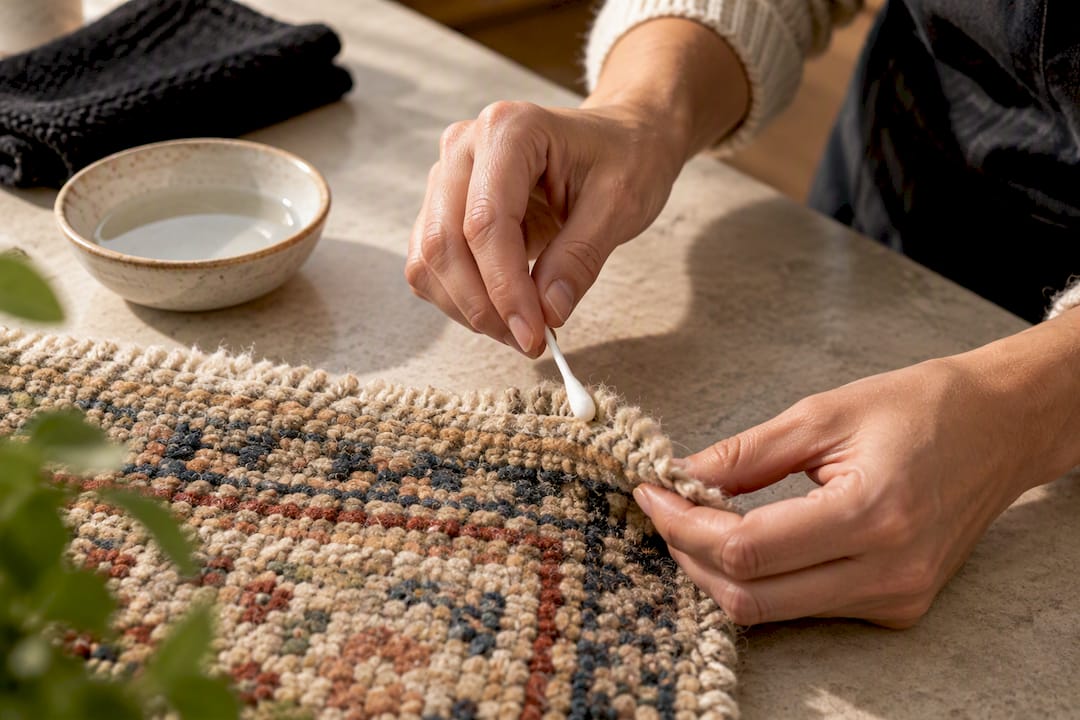
Residue is another common problem, usually caused by the products rather than the method. Detergents that are not properly rinsed can leave a sticky film that attracts dirt faster than before, and CRI testing warns that non-certified detergents can leave residue that speeds resoiling. Choosing services that use CRI Seal of Approval products avoids this trap.
DIY rental machines are also a common source of trouble:
- Weaker suction leaves more water behind, extending drying time.
- Over-wetting is easy to do without a flow-rate gauge.
- Rental units often lack the extraction power of professional equipment.
Pro Tip: Test any cleaning solution on a hidden corner of upholstery or rug before treating the whole piece.
Deciding when to hire a professional and what to ask
Some situations call for a trained technician rather than a rented machine. Consider hiring a pro when:
- Soiling is heavy, layered, or years old.
- Odors persist after home cleaning attempts.
- Someone in the household has allergies or asthma.
- The carpet or rug has a history of water damage.
- The rug or furniture is valuable or made from a delicate fiber.
Before booking, it helps to ask a few direct questions: whether the company uses CRI Seal of Approval equipment and solutions, what type of machine they run (truck-mount, portable, or self-contained), what their drying plan looks like, whether they precondition before extraction, and whether they carry insurance and a satisfaction guarantee. Our page on commercial carpet cleaning covers what certified equipment and preconditioning look like in practice. For higher-risk jobs, a certified technician brings equipment calibrated for faster water recovery, something a rental unit generally cannot match.
What I recommend based on the research
In my view, hot water extraction earns its reputation, but only when the drying step gets the same attention as the cleaning step. Homeowners managing allergies, pet odors, or carpet that has not seen a deep clean in a year or more stand to gain the most. If you are weighing whether to handle it yourself or bring in help, I would rather see you call a local professional than risk a carpet that stays damp too long. Professional cleaning services are available to answer questions about your specific situation.
— Bernadette
How Royal Carpet and Tile Cleaning can help
If everything above sounds right for your home but you would rather not manage the equipment, drying fans, and timing yourself, that is exactly the gap Royal Carpet and Tile Cleaning fills. We handle carpet cleaning, upholstery cleaning, and pet urine treatments with a multi-step process built around preconditioning, agitation, and high-flow extraction, followed by a clear drying protocol so moisture never lingers past the safe window.

Pricing information is available upon request through the company’s official channels. If you are ready to get your carpet or upholstery back to a healthy, fresh state, visit our carpet cleaning page to see service details and request an appointment.
Sources
- A Brief Guide to Mold, Moisture, and Your Home (EPA)
- Reduction of Domestic Allergen Levels in Carpets and Soft Furnishings in US Homes Using a Proprietary Hot Water Extraction Cleaning Process
- Carpet preconditioning: its impact on cleaning (CRI / AATCC analysis)
FAQ
Is hot water extraction better than steam cleaning?
Hot water extraction and what people call steam cleaning usually refer to the same process, though true steam carries very little moisture and cleans less deeply. Extraction injects heated water and solution under pressure and pulls it back out, reaching embedded soil that light steam cannot.
What are the benefits of hot water therapy for carpets?
The main benefits are deep removal of embedded soil, reduced allergens and odors, and a restored appearance. A controlled study found surface allergen reductions of 83 to 97% after a hot water extraction process, alongside lower airborne particle counts.
Is hot water extraction good for carpet?
Yes, for most carpet types, since it removes soil that vacuuming and lighter methods leave behind and refreshes the fiber’s appearance. Delicate or natural-fiber carpets should be tested first, since heat and moisture can affect certain dyes or weaves.
How much does a hot water extractor cost?
Professional hot water extraction pricing varies by provider, carpet size, and condition, so it is best to request a quote directly. Royal Carpet and Tile Cleaning offers transparent, no-hidden-fee pricing through its carpet cleaning service.
How long does carpet take to dry after hot water extraction?
Carpet should dry within 24 to 48 hours, per EPA guidance on moisture control, to prevent mold growth. Air movers, dehumidifiers, and HVAC circulation all help bring drying time down toward the shorter end of that window.



