(505) 280-5216
Your Complete Guide to Indoor Air Quality at Home
TL;DR:
- Indoor air quality (IAQ) depends on pollutant sources, ventilation, and humidity levels that directly affect health. Managing source control, ensuring proper ventilation, and using high-quality filters are essential for maintaining healthy indoor environments. Regular monitoring, routine cleaning, and habits like controlling humidity support long-term IAQ improvement and overall wellbeing.
Indoor air quality (IAQ) is the measure of how clean, safe, and healthy the air is inside your home, directly affecting your breathing, comfort, and long-term wellbeing. According to the U.S. EPA, IAQ depends on three core factors: indoor pollutant sources, how well your home is ventilated, and moisture or humidity levels. The American Lung Association warns that indoor air may be hazardous without any visible signs or odors, which makes it especially dangerous for people with asthma or allergies. This guide to indoor air quality breaks down what you need to know and what you can actually do about it.
What is a guide to indoor air quality and why does it matter?
A practical guide to indoor air quality covers the sources of pollution inside your home, the strategies to reduce them, and the tools to track your progress. The EPA’s framework for managing IAQ rests on three pillars: source control, ventilation, and filtration. That order is deliberate. Removing or reducing the source of a pollutant is always more effective than trying to dilute or filter it after the fact. Understanding this hierarchy is the single most useful thing you can take from this article.
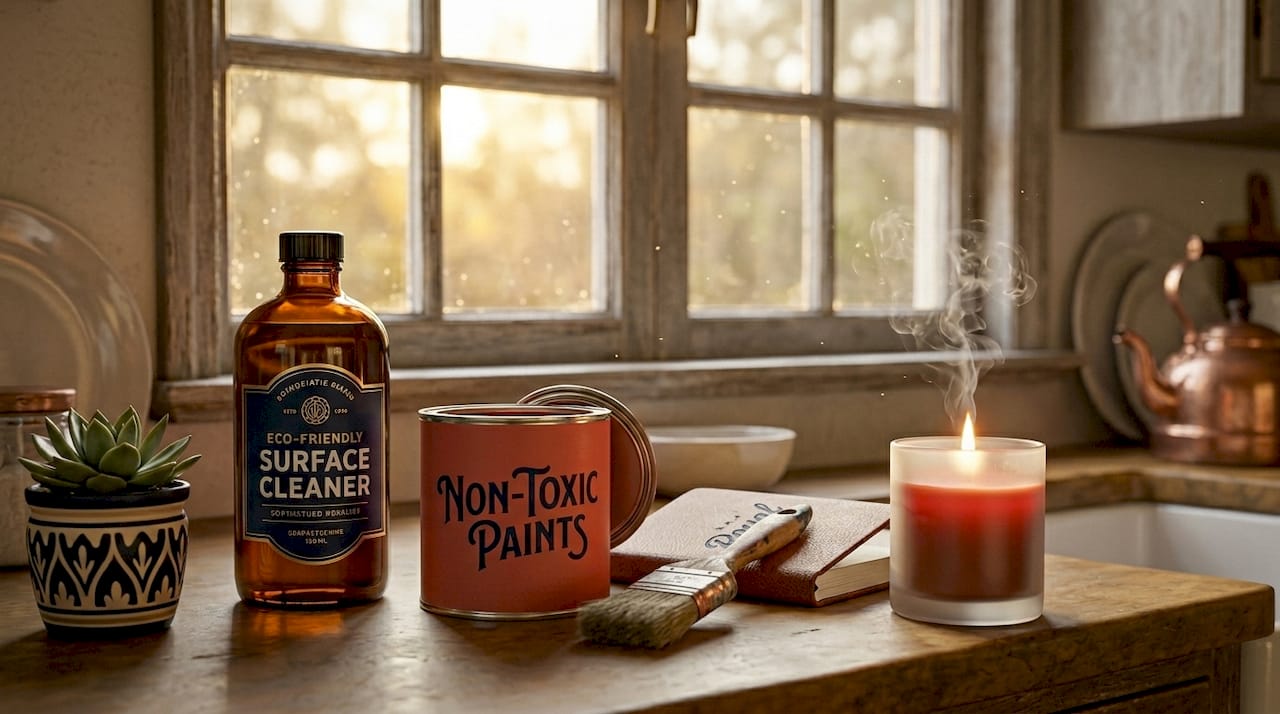
Poor IAQ causes symptoms ranging from headaches and eye irritation to chronic respiratory problems. For children, the elderly, and anyone with asthma, the risks are higher and the effects faster. The good news is that most IAQ problems in homes are fixable with consistent habits and the right equipment.
What are the common indoor air pollutants in homes?
Indoor air pollutants fall into three broad categories: chemical, particulate, and biological. Knowing which category applies to your home helps you target the right solution.
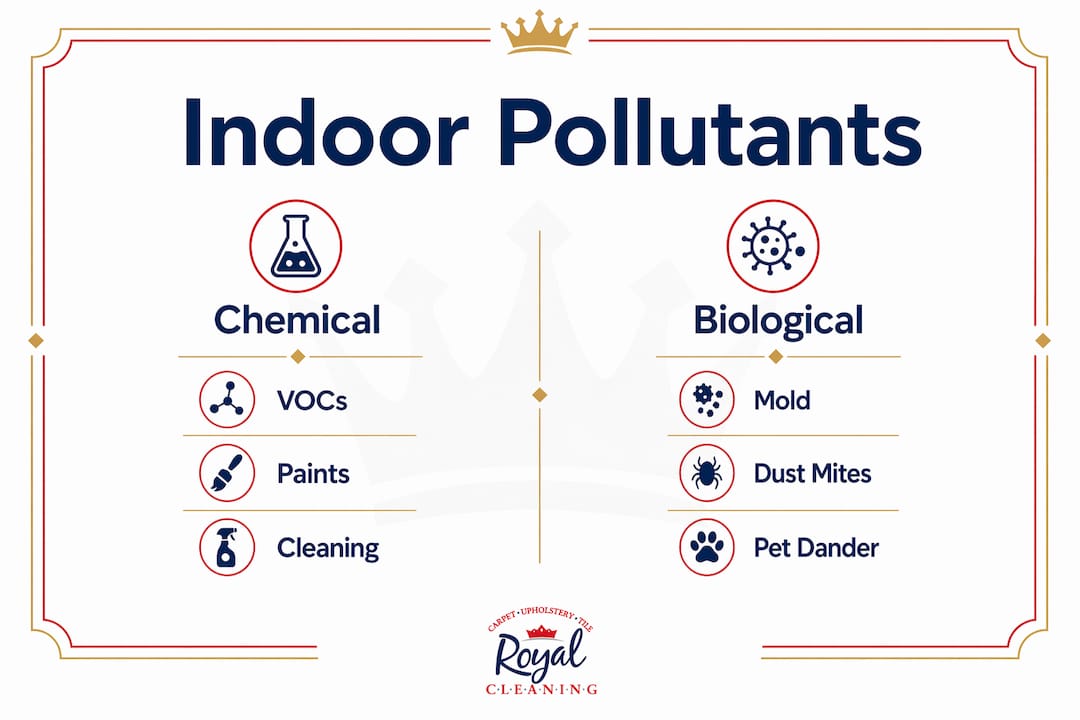
Chemical pollutants include volatile organic compounds (VOCs) released by paints, adhesives, cleaning products, and new furniture. Tobacco smoke is one of the most concentrated sources of chemical pollution indoors. Formaldehyde from pressed wood products and carpeting also contributes significantly.
Particulate matter comes from cooking, burning candles, using fireplaces, and running gas appliances. Fine particles classified as PM2.5 are small enough to reach deep into your lungs. Dust from everyday activity also carries allergens and bacteria.
Biological contaminants include mold spores, pet dander, dust mites, pollen, and bacteria. These thrive in humid, poorly ventilated spaces and are a leading trigger for allergy and asthma symptoms.
- Tobacco smoke: one of the highest-concentration indoor chemical pollutants
- Cooking emissions: produce PM2.5 and nitrogen dioxide, especially with gas stoves
- Mold and mildew: grow rapidly when indoor humidity exceeds 60%
- Pet dander: stays airborne for hours and settles into carpets and upholstery
- Cleaning sprays and air fresheners: release VOCs that linger long after use
Pro Tip: Switch to fragrance-free or plant-based cleaning products to cut VOC exposure without sacrificing cleanliness. Products labeled “low-VOC” or certified by Green Seal are reliable choices.
Source control is the primary strategy for improving indoor air quality. Removing or substituting the source of a pollutant prevents it from entering your air in the first place, which no filter or fan can fully replicate.
How does ventilation affect indoor air quality?
Ventilation dilutes indoor pollutants by replacing contaminated air with fresh outdoor air. Without adequate airflow, pollutants accumulate to levels that cause health effects even in clean-looking homes. The EPA identifies ventilation as the second most important IAQ strategy after source control, and it applies to every room in your home.
There are two types of ventilation to understand:
- Natural ventilation uses open windows and doors to allow air exchange. This works well when outdoor air quality is good, but it can backfire during wildfire season or high-pollen days.
- Mechanical ventilation includes exhaust fans in bathrooms and kitchens, whole-house ventilation systems, and HVAC systems with fresh-air intake. These give you control regardless of outdoor conditions.
- Spot ventilation targets specific high-pollution activities. Running a range hood during cooking and keeping it on for 10 to 20 minutes after removes residual cooking emissions that most homeowners overlook.
- HVAC-assisted ventilation circulates and filters air throughout the home. Pairing your HVAC with a high-rated filter significantly improves whole-home air quality.
Before opening windows to ventilate, check the outdoor Air Quality Index (AQI) using AirNow.gov. Opening windows when outdoor AQI is in the “Unhealthy” range can make your indoor air worse, not better.
Pro Tip: In Albuquerque and the surrounding Rio Rancho area, dust storms and wildfire smoke can spike outdoor AQI quickly. Check AQI data before ventilating, especially in spring and summer months.
A common mistake is running bathroom exhaust fans only during showers. Running them for 15 minutes after a shower removes residual moisture that feeds mold growth. For more on getting the most from your home’s airflow system, see this ventilation in home health guide.
Air filtration options: what actually works?
Air filtration is the third layer of IAQ management, and it works best when source control and ventilation are already in place. Filtration alone cannot compensate for a home full of pollutant sources or poor airflow.
| Filtration type | Best for | Key consideration |
|---|---|---|
| HVAC filter (MERV 13+) | Whole-home particle removal | Check HVAC compatibility before upgrading filter rating |
| Portable HEPA air cleaner | Single-room particle reduction | Size the unit to the room’s square footage |
| Activated carbon filter | VOC and odor reduction | Combine with HEPA for broad coverage |
| Ozone generators | Not recommended | Ozone is a lung irritant; avoid these devices entirely |
The EPA advises using MERV 13 or higher filters in HVAC systems where the equipment can handle the increased airflow resistance. A filter that is too restrictive for your system reduces airflow and strains the motor. Check your HVAC manual or ask a technician before switching.
Portable air cleaners with true HEPA filters capture at least 99.97% of particles 0.3 microns and larger. This includes most dust, pollen, pet dander, and mold spores. For best results, run the unit continuously in the room where you spend the most time, typically the bedroom.
- Replace HVAC filters every 60 to 90 days, or more often with pets in the home
- Clean or replace portable air cleaner pre-filters monthly
- Never use ozone-generating air purifiers; ozone worsens respiratory symptoms
- Look for HEPA-certified units from brands like Coway, Winix, or Blueair for reliable performance
For homeowners researching home air purification options in Albuquerque, pairing a quality portable unit with a well-maintained HVAC system covers the widest range of pollutants.
How can you monitor and measure indoor air quality?
Monitoring is how you confirm whether your IAQ efforts are working. IAQ fluctuates based on activities and conditions, so a one-time check tells you very little. Ongoing monitoring gives you the data to make informed decisions.
Consumer Reports notes that most indoor air quality monitors alert quickly to PM2.5 changes, while VOC, temperature, and humidity sensors vary widely between devices. PM2.5 monitoring is the most universally useful feature for homeowners.
| Monitor feature | What it tells you | Why it matters |
|---|---|---|
| PM2.5 sensor | Fine particle concentration | Tracks cooking, dust, and combustion events |
| VOC sensor | Chemical pollutant levels | Detects off-gassing from products and materials |
| Humidity sensor | Moisture percentage | Mold risk rises above 60% relative humidity |
| CO2 sensor | Ventilation adequacy | High CO2 signals insufficient fresh air exchange |
Devices like the IQAir AirVisual Pro, Awair Element, and Airthings Wave Plus cover multiple pollutants and connect to smartphone apps for continuous tracking. Budget-friendly options like the Govee Air Quality Monitor cover PM2.5 and humidity at a lower price point.
Use outdoor AQI data from AirNow.gov alongside your indoor monitor. When outdoor AQI is good and indoor PM2.5 is elevated, the source is inside your home. When both are elevated, ventilation will not help until outdoor air improves.
What are practical daily and seasonal tips for healthy indoor air?
Maintaining good IAQ is not a one-time project. The EPA’s approach to healthy indoor environments outlines eight principles: keeping homes dry, clean, ventilated, safe, pest-free, contaminant-free, well-maintained, and thermally comfortable. Each principle maps directly to daily and seasonal habits.
Daily habits that make a measurable difference:
- Run your range hood every time you cook, and leave it on for at least 10 minutes after you finish.
- Vacuum carpets and upholstery twice a week using a vacuum with a HEPA filter to prevent allergens from becoming airborne.
- Keep indoor humidity between 30% and 50% using a dehumidifier in humid months or a humidifier in dry winter months.
- Avoid spraying aerosol products indoors. Use pump sprays or wipes instead.
- Remove shoes at the door to prevent tracking in pesticides, pollen, and outdoor particulates.
Seasonal maintenance that protects IAQ year-round:
- Spring: Schedule HVAC maintenance and replace filters before cooling season begins.
- Summer: Monitor outdoor AQI daily in Albuquerque, where dust and wildfire smoke are seasonal concerns.
- Fall: Inspect for mold in bathrooms, basements, and around windows before closing up the home.
- Winter: Check that combustion appliances like gas furnaces and fireplaces are properly vented.
Pro Tip: Carpets, upholstery, and air ducts are the three biggest hidden reservoirs of allergens and particulates in most homes. Professional cleaning of these surfaces once or twice a year removes what regular vacuuming leaves behind. For homeowners managing allergies, see this guide on asthma-safe carpet cleaning for specific recommendations.
When symptoms persist despite your best efforts, or when you suspect mold, radon, or carbon monoxide issues, contact a certified IAQ professional. Some problems require testing and remediation that go beyond DIY solutions.
Key takeaways
Healthy indoor air quality requires managing pollutant sources first, then supporting that effort with proper ventilation and targeted filtration.
| Point | Details |
|---|---|
| Source control comes first | Remove or reduce pollutant sources before relying on ventilation or filtration. |
| Ventilation requires smart timing | Check outdoor AQI before opening windows; poor outdoor air worsens indoor conditions. |
| MERV 13+ filters improve whole-home air | Use the highest-rated filter your HVAC system can handle for best particle removal. |
| Monitoring reveals hidden problems | Use a PM2.5 and humidity monitor to catch IAQ issues before symptoms appear. |
| Routine cleaning reduces pollutant reservoirs | Carpets, upholstery, and air ducts accumulate allergens that regular vacuuming cannot fully remove. |
What I’ve learned from years of watching homeowners manage their air quality
Most people buy an air purifier and expect it to solve their IAQ problems. It rarely does, and the reason is straightforward. If you are still using heavy chemical cleaners, running a gas stove without ventilation, or living with carpets full of pet dander, a purifier is fighting a losing battle. The EPA’s own guidance makes this clear: source control is the priority, not filtration.
What I find works in practice is a layered approach that starts with honest source reduction. Swap out the products that off-gas VOCs. Stop burning scented candles in poorly ventilated rooms. Get your carpets and air ducts professionally cleaned at least once a year. These steps do more for your air quality than any device you can buy.
The other thing I tell people is to stop treating ventilation as an all-or-nothing decision. You do not have to choose between fresh air and clean air. Check the AQI first. On good days, open windows for 20 to 30 minutes in the morning. On bad days, run your HVAC with a quality filter and keep things sealed. That one habit alone makes a significant difference for families in areas like Albuquerque where outdoor air quality varies by season.
Finally, do not underestimate humidity. Keeping your home between 30% and 50% relative humidity prevents mold, reduces dust mite populations, and makes your air feel more comfortable. A $30 hygrometer and a basic dehumidifier can handle this for most homes. Start there before spending hundreds on advanced equipment.
— Bernadette
How Royal Carpet and Tile Cleaning can support your IAQ goals
Professional cleaning addresses the pollutant reservoirs that daily habits cannot fully reach. Carpets trap PM2.5, pet dander, and pollen deep in their fibers. Upholstery collects allergens that become airborne every time you sit down. Air ducts distribute whatever has accumulated inside them throughout your entire home every time your HVAC runs. Royal Carpet and Tile Cleaning provides professional carpet cleaning and air duct cleaning services for homeowners in Albuquerque and Rio Rancho, using equipment and techniques designed to reduce indoor allergens and improve airflow. Combining professional cleaning with the daily habits in this guide gives you the most complete approach to healthier indoor air.
FAQ
What is indoor air quality and why does it matter?
Indoor air quality (IAQ) refers to the cleanliness and safety of the air inside your home, measured by pollutant levels, humidity, and ventilation adequacy. Poor IAQ causes respiratory symptoms, aggravates asthma, and can create long-term health risks even when the air looks and smells clean.
What are the most common indoor air pollutants?
The most common indoor air pollutants are PM2.5 particles from cooking and dust, VOCs from cleaning products and furnishings, and biological contaminants like mold, pet dander, and dust mites. Tobacco smoke and combustion appliances are also significant sources.
How do I measure indoor air quality at home?
Use a portable indoor air quality monitor that tracks PM2.5, humidity, and VOCs. Devices like the Awair Element or IQAir AirVisual Pro provide continuous readings, and pairing them with outdoor AQI data from AirNow.gov helps you make informed ventilation decisions.
What are the best air purifiers for home use?
The best air purifiers for home use are portable units with true HEPA filters sized correctly for the room. Brands like Coway, Winix, and Blueair consistently perform well in independent testing. Avoid any device that generates ozone, as ozone is a lung irritant.
How often should I clean air ducts to improve indoor air quality?
The National Air Duct Cleaners Association (NADCA) recommends cleaning air ducts every three to five years, or more frequently if you have pets, recent renovations, or visible mold. Clean ducts prevent your HVAC system from redistributing accumulated dust and allergens throughout your home.