(505) 280-5216
Why schedule regular cleaning? Healthier air, safer home
Your home may look clean, but the air inside could tell a different story. Indoor air can be 2-4 times more polluted than outdoor air, according to the EPA. In Albuquerque’s dry, high-desert climate, dust, pollen, and allergens build up faster than most homeowners realize. Scheduling regular cleaning is not just about appearances. It is the most reliable way to protect your family’s health, reduce allergy triggers, and maintain air quality that you can actually feel.
Table of Contents
- Why Albuquerque homes need regular cleaning
- What happens if you skip scheduled cleaning?
- How regular cleaning improves air quality and health
- How often should you clean? Evidence-based schedules
- Steps to build a cleaning routine that actually works
- Partner with Albuquerque’s cleaning experts for lasting results
- Frequently asked questions
Key Takeaways
| Point | Details |
|---|---|
| Cleaner air, healthier home | Regular, scheduled cleaning dramatically cuts dust, allergens, and indoor pollution. |
| Faster dust buildup in Albuquerque | The region’s dry climate means homes accumulate unhealthy particles more quickly. |
| Pro cleaning outperforms DIY | Professional services and HEPA tools remove deeper hazards for greater symptom relief. |
| Science-backed routines matter | Consistent schedules for floors, filters, and ducts are proven to improve air quality and health. |
| Small changes, big results | Shifting to a set cleaning routine can prevent problems and protect your family’s well-being. |
Why Albuquerque homes need regular cleaning
Albuquerque’s environment creates cleaning challenges that most other cities simply do not face. The dry, high-desert climate means dust accumulates faster here than in more humid regions. Wind carries fine particulate matter, pollen, and soil into your home through windows, doors, and even tiny gaps in your walls.
Common indoor pollutants in Albuquerque homes include:
- Pet dander from dogs and cats, which clings to carpets, upholstery, and bedding
- Pollen from local plants, especially during spring and fall seasons
- Mold spores that develop in bathrooms and kitchens even in dry climates
- Fine dust particles that settle on surfaces, inside vents, and deep in carpet fibers
- Volatile organic compounds (VOCs) from cleaning products, paints, and furniture
These pollutants do not stay visible. They circulate through your HVAC system and settle into every corner of your home. You might notice more sneezing, itchy eyes, or persistent coughing. Vents may show visible gray buildup. Allergy symptoms that seem worse indoors are a clear warning sign.
“Clean enough” is not always healthy enough. In Albuquerque’s climate, routine cleaning is a health necessity, not just a preference.
The EPA’s indoor air quality guidelines confirm that source control through regular cleaning is the most effective strategy for reducing indoor pollutants. Waiting until your home looks dirty means you are already behind.
What happens if you skip scheduled cleaning?
Skipping your cleaning routine does not just mean a dusty shelf. It sets off a chain reaction that affects your health over time. Here is how it typically unfolds:
- Dust accumulates on surfaces, inside vents, and deep within carpet fibers within days.
- Allergen levels rise as pet dander, pollen, and mold spores build up without removal.
- Air quality drops as your HVAC system recirculates contaminated air throughout your home.
- Respiratory symptoms worsen, including more frequent sneezing, coughing, and congestion.
- Serious health events occur, such as asthma attacks, persistent respiratory infections, or worsening chronic conditions.
One of the most common myths is that only visible dirt is harmful. That is not true. Fine particles and allergens are often invisible to the naked eye but cause the most damage to your respiratory system. Regular cleaning prevents buildup of dust, allergens, and mold, directly reducing triggers for allergies, asthma, and respiratory problems.
Indoor air pollution can affect 1 in 4 Americans who live with asthma or allergies, making consistent cleaning a critical health strategy.
If someone in your household already struggles with deep cleaning for allergies, skipping routine maintenance makes their symptoms significantly harder to manage. The longer you wait, the more effort it takes to restore healthy air quality.
How regular cleaning improves air quality and health
Routine cleaning works by interrupting the cycle of allergen buildup before it becomes a health problem. Vacuuming removes surface-level dust and dander. Dusting prevents particles from becoming airborne again. Professional duct cleaning clears out the hidden reservoirs of dust and mold that standard cleaning cannot reach.
Here is how DIY cleaning compares to professional services:
| Cleaning type | Surface dust | Allergen removal | Deep pollutants | IAQ improvement |
|---|---|---|---|---|
| DIY vacuuming | Good | Moderate | Limited | 10-15% |
| DIY dusting | Good | Low | Minimal | 5-10% |
| Professional HEPA cleaning | Excellent | High | Thorough | 30-50% |
| Professional duct cleaning | N/A | Very high | Complete | 20-40% |
Professional cleaning with HEPA (High-Efficiency Particulate Air) filters removes 99.97% of particles, improving indoor air quality by 30 to 50 percent and reducing respiratory infections by up to 25 percent. That is a measurable difference your family will notice.
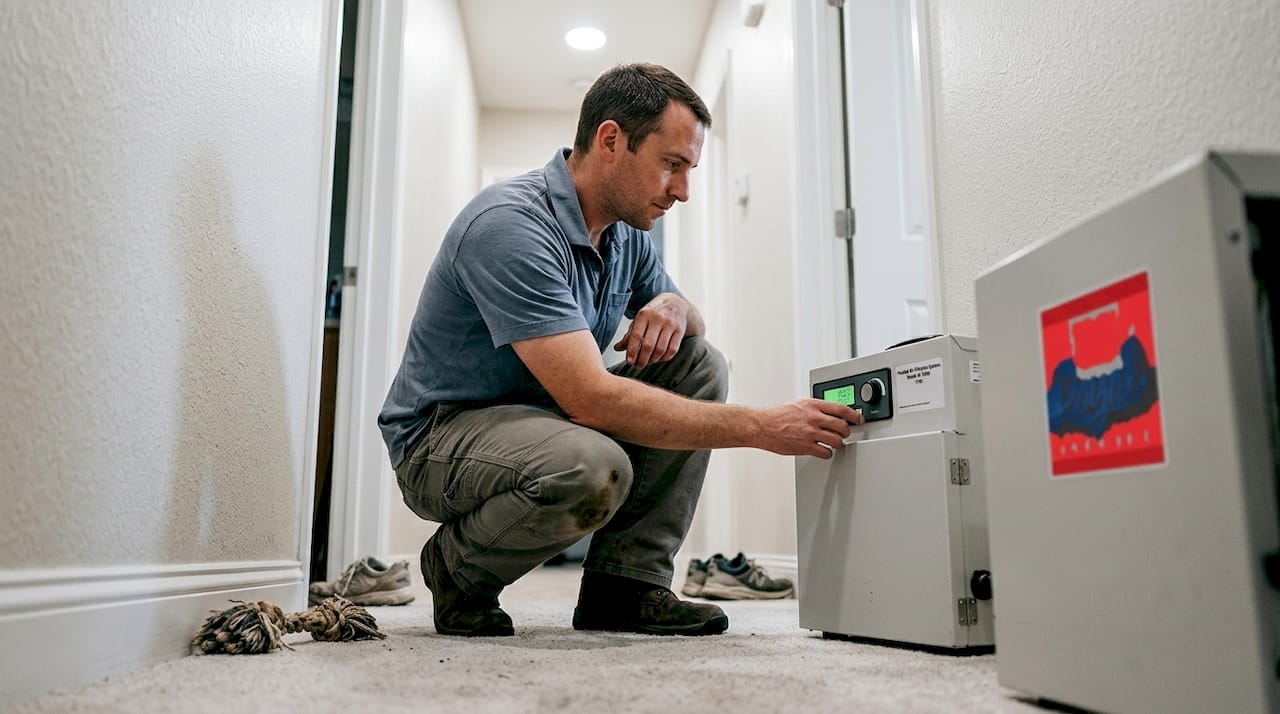
The EPA confirms that cleaning is the most effective source control strategy for indoor air quality. Air purifiers and filters help, but they cannot replace the physical removal of pollutants from surfaces, carpets, and ducts. Research also shows that carpet cleaning plays a direct role in improving air quality by trapping and removing allergens embedded deep in fibers.
The health benefits of cleaning are most significant when you combine regular surface cleaning, professional deep cleaning, and proper ventilation.
Pro Tip: In high-dust areas like Albuquerque, change your HVAC filters every month instead of every three months. This single habit can significantly slow allergen buildup between professional cleanings.
How often should you clean? Evidence-based schedules
Knowing you should clean regularly is one thing. Knowing exactly how often is another. Here is a practical schedule based on research and Albuquerque’s specific environment:
| Area or surface | Recommended frequency | Primary reason |
|---|---|---|
| High-traffic floors | Vacuum 2-3 times per week | Dust, dander, tracked-in soil |
| All surfaces and furniture | Dust weekly | Allergen control |
| Bathrooms | Clean weekly | Mold and bacteria prevention |
| Kitchen surfaces | Wipe down daily | Bacteria and VOC control |
| HVAC filters | Replace monthly | Air quality maintenance |
| Air ducts | Professionally cleaned yearly | Deep dust and mold removal |
| Air ducts with pets | Every 6 months | Accelerated dander buildup |
| Carpets and upholstery | Professional clean every 3-6 months | Deep allergen extraction |
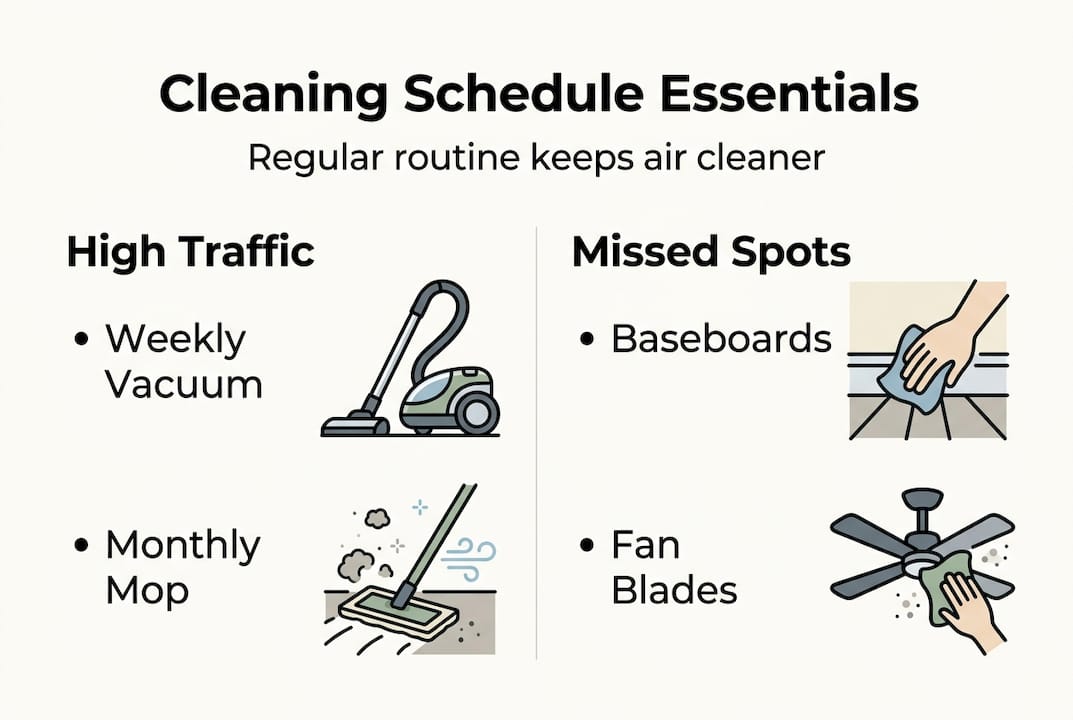
Research supports vacuuming 2-3 times per week in high-traffic areas, dusting weekly, changing HVAC filters monthly, and scheduling duct cleaning yearly or every six months if you have pets.
Additional considerations for your schedule:
- After illness: Deep clean high-touch surfaces and wash all bedding immediately
- Seasonal changes: Increase cleaning frequency during spring pollen season and fall wind events
- Pet shedding cycles: Add extra vacuuming sessions during heavy shedding periods
- After home renovations: Schedule professional cleaning to remove construction dust and VOCs
Do not overlook commonly missed spots. Baseboards, ceiling fan blades, under furniture, and inside vents collect significant amounts of dust and allergens. A duct maintenance guide can help you track when your system needs attention.
Pro Tip: Set a recurring reminder on your phone for each cleaning task. Treat it like a health appointment. Consistency matters more than perfection.
Using advanced cleaning equipment and following proven cleaning routines can make sticking to your schedule much easier and more effective.
Steps to build a cleaning routine that actually works
Knowing the schedule is only half the battle. Building a routine you will actually follow requires a simple system. Here are the steps that work:
- Assess your home’s problem areas. Walk through each room and identify where dust, pet hair, or odors are most noticeable. These spots need the most attention.
- Set a realistic schedule. Use the frequency table above as your starting point. Adjust based on your household size, pets, and health needs.
- Gather the right tools. A HEPA-filter vacuum, microfiber cloths, and non-toxic cleaning products make a significant difference in what you actually remove versus just move around.
- Automate your reminders. Use your phone calendar or a cleaning app to schedule each task. Remove the guesswork entirely.
- Review and adjust every three months. Seasons change, households change, and your routine should adapt accordingly.
Common obstacles and practical solutions:
- Time constraints: Break tasks into 10-15 minute daily sessions instead of one long weekly clean
- Physical limitations: Focus on high-impact areas first and delegate heavy tasks to professionals
- Cleaning fatigue: Rotate tasks so no single day feels overwhelming
- Inconsistency: Pair cleaning tasks with existing habits, such as wiping counters after cooking
Consistency in cleaning produces the highest indoor air quality gains and the most noticeable symptom improvements. Shifting from reactive cleaning (only when things look dirty) to proactive cleaning (on a set schedule) is the single most impactful change you can make.
For tasks that go beyond what a standard routine can handle, professional allergen removal services provide the deep extraction that keeps your air quality at its best between your regular sessions.
Partner with Albuquerque’s cleaning experts for lasting results
Building a cleaning routine is a great first step. But some tasks require equipment and expertise that go beyond what most households have available. That is where we come in.
At Royal Cleaning New Mexico, we use professional-grade HEPA equipment and proven multi-step processes to deliver results that DIY cleaning simply cannot match. Our carpet cleaning services remove deeply embedded allergens and restore your carpets to a genuinely clean state. Our benefits of air duct cleaning page explains exactly how duct cleaning improves the air your family breathes every day. We also offer upholstery cleaning services that target the allergens hiding in your sofas, chairs, and cushions. We serve Albuquerque, Rio Rancho, and surrounding communities. Reach out today to schedule a service and take the next step toward a healthier home.
Frequently asked questions
Does regular cleaning really help with allergies and asthma?
Yes. Routine cleaning removes dust, pet dander, and allergens that trigger asthma and allergy symptoms, a fact supported by EPA indoor air quality research and multiple health studies.
Is professional cleaning better than DIY for improving indoor air quality?
Professional cleaning with HEPA equipment removes far more allergens and deeply embedded particles than standard DIY methods, with HEPA vacuuming removing 99.97% of fine particles.
How often should I have my air ducts professionally cleaned?
Most Albuquerque homes need duct cleaning annually, or every six months if you have pets, due to the area’s high-dust environment.
Are cleaning chemicals safe for asthma-prone households?
Some cleaning products can worsen respiratory symptoms, so choose asthma-safe or non-toxic options as recommended by EPA guidelines for safer indoor air.
Recommended
- How to schedule duct maintenance for cleaner air at home
- Why follow multi-step cleaning for healthier homes in 2026
- How home cleanliness improves health and air quality
- Homeowners Should Clean Their Air Ducts – Royal Carpet Cleaning
- Why schedule routine carpet cleaning for healthier homes in 2026 – Yarra Valley Carpet Cleaning
- Why schedule seasonal cleaning for your home in 2026 – white-diamond-pressure