(505) 280-5216
What Is Preventative Cleaning for a Healthier Home
TL;DR:
- Preventative cleaning involves scheduled, proactive maintenance that prevents dirt and microbial buildup in your home. It supports indoor air quality by removing allergens and mold risk factors before problems become visible, reducing long-term costs. Proper cleaning, when combined with sanitizing and disinfecting, creates a healthier living environment through consistent, targeted routines.
Most people clean when they can see the dirt. That approach, while understandable, puts you permanently behind. Preventative cleaning flips that habit entirely. Instead of reacting to visible grime, you clean on a scheduled, recurring basis before buildup can affect your home’s hygiene or air quality. This article explains the preventative cleaning definition in plain terms, walks through how it differs from sanitizing and disinfecting, and gives you practical preventative cleaning tips you can start using this week to protect your family’s health.
Table of Contents
- Key takeaways
- What is preventative cleaning, exactly?
- How cleaning supports indoor air quality and hygiene
- Cleaning vs. sanitizing vs. disinfecting
- Preventative cleaning strategies for a healthy home
- Why preventative cleaning saves money over time
- My take on why preventative cleaning gets ignored
- Keep your home healthier with professional support
- FAQ
Key takeaways
| Point | Details |
|---|---|
| Preventative cleaning is proactive | It happens on a schedule, before dirt or odors appear, to stop buildup before it starts. |
| Cleaning must come before disinfecting | Soil blocks chemical effectiveness, so skipping cleaning undermines your entire germ-control effort. |
| Indoor air quality depends on cleaning | Dusting, vacuuming, and moisture control are foundational steps no filter or ventilation system can replace. |
| Routine cleaning reduces long-term costs | Regular upkeep prevents the heavy interventions that corrective cleaning requires after neglect. |
| Cleaning, sanitizing, and disinfecting differ | Each serves a distinct purpose and knowing when to use each protects your home more effectively. |
What is preventative cleaning, exactly?
Preventative cleaning means cleaning on a planned, recurring basis before dirt, odors, or contamination have a chance to develop. You do not wait for the bathroom grout to darken or for the kitchen vent to smell stale. You address those surfaces on a schedule, even when they appear fine.
This stands in direct contrast to corrective cleaning, which happens after a problem is already visible. Corrective cleaning is harder, takes longer, and often requires stronger products. Think of the difference between wiping your stovetop once a week versus scrubbing baked-on grease after three months of neglect. Both accomplish the same goal in theory, but one takes five minutes and the other takes an hour.
Common examples of preventative maintenance cleaning at home include:
- Dusting shelves, ceiling fans, and baseboards weekly before particle buildup can settle into fabrics
- Vacuuming carpets and upholstered furniture on a set schedule to remove allergens before they accumulate
- Wiping down kitchen and bathroom surfaces regularly to prevent microbial growth in moisture-prone areas
- Cleaning HVAC vents and replacing filters on schedule to maintain healthy airflow
- Mopping hard floors before grime bonds to the surface finish
Pro Tip: Set a recurring calendar reminder for your cleaning tasks the same way you would for a car oil change. Treating cleaning like maintenance, not a chore, keeps you consistent.
The importance of preventative cleaning becomes clear when you compare the time and money spent on routine upkeep versus the cost of deep cleaning, mold remediation, or damaged surfaces that result from neglect.
How cleaning supports indoor air quality and hygiene
The connection between physical cleaning and indoor air quality is more direct than most people realize. Proper cleaning practices are foundational for indoor air health, and no ventilation or filtration system alone compensates for inadequate dust and moisture control.
Dust particles, pet dander, and pollen settle on surfaces continuously. When those surfaces go uncleaned, everyday activity like walking across a carpet or opening a closet door stirs those particles back into the air you breathe. Regular vacuuming and dusting remove them before they cycle back into your home’s air.
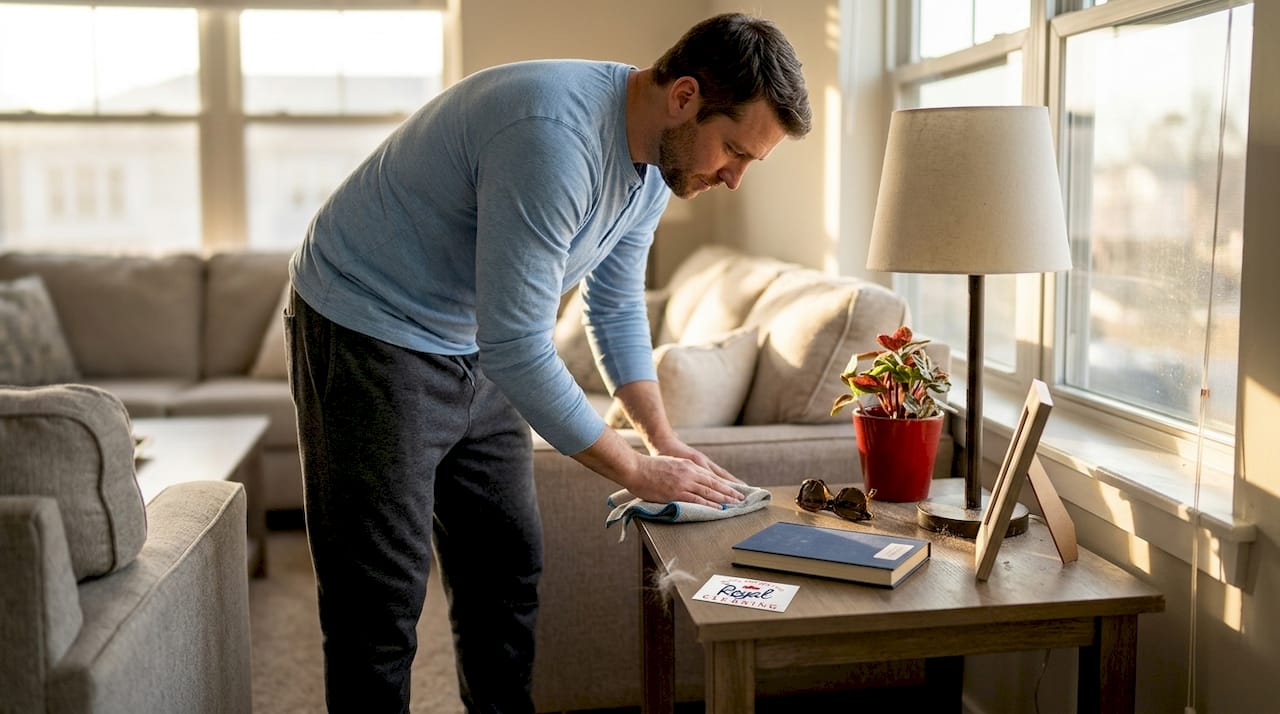
Moisture is the other major factor. Poor moisture control and neglected ventilation paths increase mold risk even when surfaces look clean to the eye. Mold spores are among the most common indoor air quality irritants, and they thrive anywhere moisture lingers. Wiping down bathroom tiles after showers, drying sink areas promptly, and cleaning exhaust vents regularly are all preventative steps that directly reduce mold risk.
HVAC systems also play a role. When air ducts and filters accumulate dust, they circulate that dust throughout your home. Cleaning or replacing filters on schedule, and having ducts professionally cleaned periodically, keeps your indoor air quality healthier year round.
| Cleaning Action | Air Quality Benefit |
|---|---|
| Weekly vacuuming | Removes pet dander, dust mites, and pollen from carpets and upholstery |
| Monthly vent and filter check | Reduces recirculation of airborne particles through HVAC systems |
| Wiping surfaces dry after use | Prevents mold spores from establishing in damp areas |
| Dusting ceiling fans and blinds | Stops settled dust from redistributing into the breathing zone |
“Effective preventative cleaning integrates scheduling, appropriate product use, and targeted attention to hidden moisture and ventilation pathways to protect indoor air quality over time.” — ISSA
Cleaning vs. sanitizing vs. disinfecting
Many homeowners use these three terms interchangeably. They should not. Each describes a different level of germ management, and using them correctly helps you protect your home without overdoing it.
Cleaning removes dirt and some germs. Sanitizing reduces germs to levels considered safe by public health standards. Disinfecting kills a broader spectrum of pathogens, including bacteria and viruses. The critical detail most people miss is that cleaning must precede sanitizing or disinfecting for either to work effectively. Dirt and organic matter physically block disinfectant chemicals from reaching the surface, which means skipping the cleaning step undermines your entire effort.
| Method | What It Does | When to Use It |
|---|---|---|
| Cleaning | Removes dirt, grease, and some germs mechanically | Daily and weekly routine maintenance |
| Sanitizing | Reduces germs to a safe level on already-clean surfaces | Food prep areas, high-touch kitchen surfaces |
| Disinfecting | Kills most pathogens on already-clean surfaces | After illness, bathrooms, diaper changing areas |
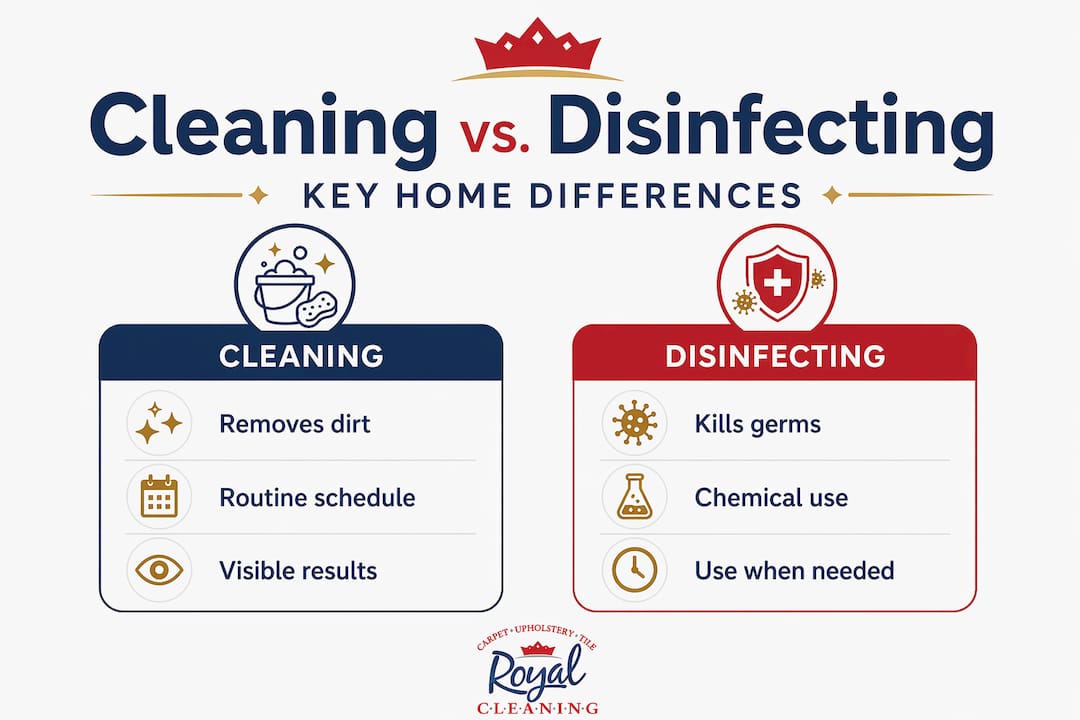
For most areas of a typical home, regular cleaning alone is sufficient for managing hygiene. Your living room sofa, bedroom nightstand, and dining table do not need disinfecting every week. Kitchen countertops used for raw meat prep and bathroom toilet handles are different situations. Targeting your sanitizing and disinfecting efforts where they genuinely matter saves time and reduces unnecessary chemical exposure.
Pro Tip: Always clean a surface with soap and water before applying any disinfectant. If you skip this step, the disinfectant is working against a barrier of soil rather than the germs themselves.
Preventative cleaning strategies for a healthy home
Knowing what is cleaning maintenance in theory is very different from building it into your actual week. The following steps are ordered by the frequency that makes the biggest difference for indoor air quality and hygiene.
-
Dust high surfaces first, then vacuum. Start with ceiling fans, tops of cabinets, and window blinds. Dust falls down. If you vacuum first, you will simply redistribute what you disturbed from above. Do this weekly in high-traffic rooms.
-
Vacuum carpets and upholstered furniture on a set schedule. Allergens like dust mites live deep in carpet fibers and fabric. A surface that looks clean can still harbor significant particle buildup. Weekly vacuuming in bedrooms and living areas, and bi-weekly on upholstery, is a reasonable baseline.
-
Wipe and dry bathroom surfaces after daily use. Tile grout and caulk absorb moisture rapidly. A quick wipe down after showers and around sinks takes less than two minutes and dramatically reduces the conditions mold needs to grow.
-
Clean kitchen surfaces after each meal and deep-clean weekly. High-moisture kitchen environments, including the areas around your kitchen cabinet doors and behind appliances, trap grease and bacteria quickly.
-
Check and replace HVAC filters every one to three months. A clogged filter reduces airflow and recirculates trapped dust. Pairing filter changes with smarter HVAC airflow management gives you the most benefit.
-
Control moisture in basements and laundry areas. Run exhaust fans, check for dripping pipes, and dry any wet materials promptly. Moisture is the most common and preventable driver of air quality problems in homes.
Pro Tip: Assign specific cleaning tasks to specific days of the week rather than saving everything for the weekend. Monday dusting and Thursday vacuuming is far easier to maintain than a full Saturday clean that burns two hours at once.
The most common mistake homeowners make is inconsistency. A thorough clean once a month is far less effective than lighter cleaning done weekly. Frequency matters more than intensity when it comes to prevention.
Why preventative cleaning saves money over time
Recurring, scheduled cleaning reduces the need for emergency deep cleaning, preserves surfaces, and manages hygiene before small problems become expensive ones.
Consider what happens when carpet cleaning is skipped for a year or more. Dirt particles work into carpet fibers, acting like fine sandpaper that degrades the pile over time. By the time the carpet visibly looks dirty, it may already have sustained permanent texture damage. Regular vacuuming and periodic professional extraction extend carpet life significantly, which is a direct cost saving.
The same logic applies to tile grout, air ducts, and upholstery. Well-implemented cleaning schedules optimize resource use and reduce disruptions from fix-it-later scenarios. Grout that is wiped weekly rarely needs professional re-grouting. Air ducts that are maintained with clean filters need deep cleaning far less often.
Key financial and practical benefits of preventative cleaning include:
- Extending the lifespan of carpets, upholstery, and hard flooring by reducing abrasive particle buildup
- Avoiding costly mold remediation by controlling moisture consistently
- Reducing HVAC repair frequency by keeping systems free of dust and debris
- Lowering the frequency and cost of professional deep cleaning services
- Protecting paint, sealants, and surface finishes from premature deterioration
Professional cleaners apply this same logic in recurring home cleaning services, designing visit schedules that maintain a clean baseline rather than scrambling to recover from heavy buildup.
My take on why preventative cleaning gets ignored
By Bernadette
I’ve worked alongside professional cleaning teams long enough to see the same pattern repeat constantly. Homeowners invest in a deep clean, the home looks great, and then cleaning habits slip back to reactive mode within a few weeks. Six months later, the buildup is back and the deep clean needs to happen all over again.
What I’ve learned is that people don’t ignore preventative cleaning out of laziness. They ignore it because they don’t see the problem forming. Dust accumulating inside an air duct or mold beginning in bathroom grout is invisible at first. By the time it’s visible, you’re already dealing with a corrective situation.
The insight that changed how I think about this: your home’s air quality reflects your cleaning habits from the past several weeks, not just today. What you didn’t clean last month is what you’re breathing this month. That shift in thinking is what turns cleaning from a reaction into a practice.
The most unexpected thing I’ve seen? Homeowners who added one targeted step, specifically weekly vacuuming of their upholstered furniture, reported noticing fewer allergy symptoms within a month. Not because of any major intervention, but because prevention at the right frequency actually compounds over time.
— Bernadette
Keep your home healthier with professional support
Preventative cleaning at home is something every household can practice, and Royal Carpet and Tile Cleaning is here to fill in the gaps that regular maintenance cannot cover on its own.
Professional services like air duct cleaning address the hidden buildup inside your ventilation system that no amount of surface wiping reaches. Royal Carpet and Tile Cleaning also offers upholstery and carpet cleaning that removes deeply embedded allergens from your furniture and floors, giving your personal cleaning routine a stronger foundation to build on. For a structured starting point, the residential cleaning checklist helps Albuquerque homeowners organize their preventative maintenance cleaning schedule effectively. Reach out to schedule a service and keep your indoor environment consistently healthy.
FAQ
What is the preventative cleaning definition?
Preventative cleaning is planned, recurring cleaning performed before visible dirt or hygiene problems develop. It reduces long-term buildup, protects surfaces, and supports healthier indoor air quality.
Does cleaning really need to happen before disinfecting?
Yes. Soil reduces disinfectant effectiveness by physically blocking chemical contact with germs. Cleaning first removes that barrier and makes disinfecting work as intended.
How often should preventative cleaning tasks be done at home?
High-traffic surfaces benefit from daily or weekly attention, while HVAC filters, vents, and upholstery need monthly to quarterly maintenance depending on household activity and occupants.
Can preventative cleaning improve allergy symptoms?
Regular vacuuming, dusting, and moisture control reduce allergens like dust mites and mold spores that impact indoor air health. Many households notice symptom improvement within weeks of consistent preventative habits.
What is the difference between preventative and corrective cleaning?
Preventative cleaning happens on a schedule before problems arise. Corrective cleaning responds to existing dirt, stains, or contamination. Preventative cleaning is generally faster, less expensive, and less disruptive than corrective intervention.