(505) 280-5216
What Causes Vent Odors: Homeowner’s Guide
TL;DR:
- Strange vent odors can stem from biological growth, plumbing failures, animal intrusions, or HVAC system issues. Addressing these sources with proper maintenance, such as replacing filters and inspecting drains, is essential for effective odor elimination. When DIY steps fail, professional duct cleaning removes deep-seated mold, debris, and biological buildup for lasting relief.
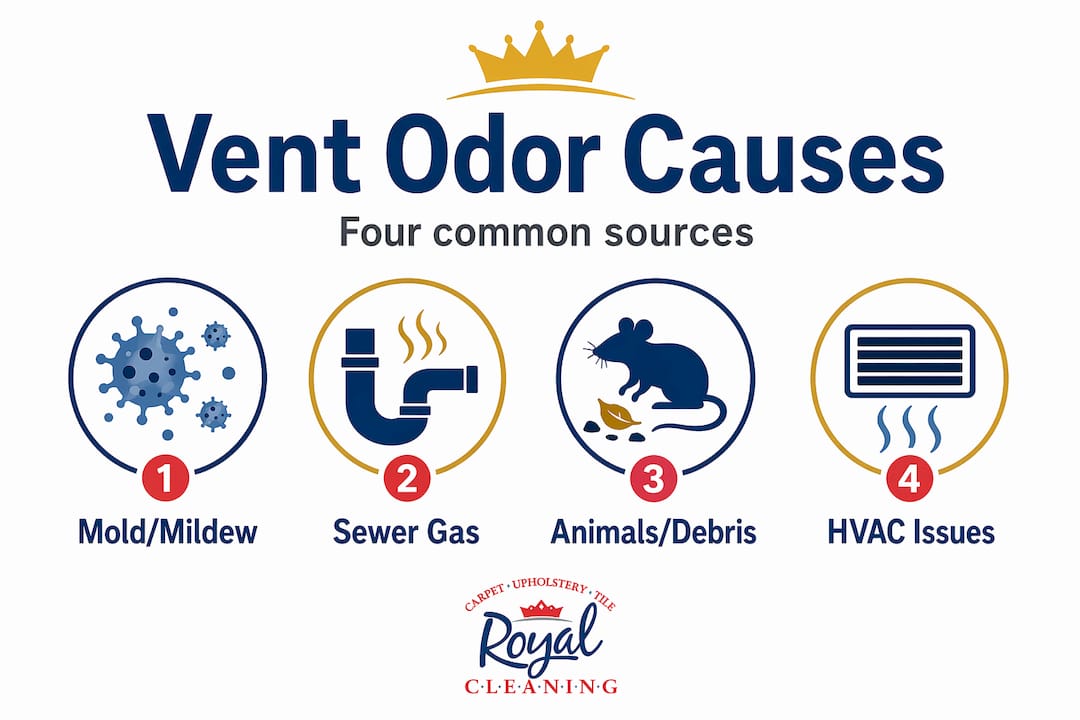
That strange smell drifting out of your vents is telling you something. Understanding what causes vent odors is the first step toward fixing them, and the answer is rarely as simple as “dirty ducts.” The real sources range from biological growth inside ductwork to plumbing failures, animal intrusions, and HVAC system breakdowns. Each cause produces a distinct smell and requires a different response. This guide walks you through every major source of air vent odor causes, what each smell signals, and what you can do about it.
Table of Contents
- Key takeaways
- What causes vent odors: biological sources
- Plumbing-related causes: sewer gas and dry traps
- Animal intrusions and organic debris in ducts
- HVAC system issues that cause musty or burning smells
- How to identify and eliminate vent odors
- What most homeowners get wrong about vent odors
- Professional cleaning for lasting odor relief
- FAQ
Key takeaways
| Point | Details |
|---|---|
| Mold thrives in humid ducts | Humidity above 60% can trigger mold growth within 24 to 48 hours inside your ductwork. |
| Sewer gas is a health risk | A rotten egg smell from vents signals sewer gas, which poses real safety hazards at elevated levels. |
| Dry P-traps are easy to miss | Seldom-used drains dry out in 2 to 3 weeks, allowing foul sewer odors into your home. |
| HVAC maintenance prevents most odors | Dirty filters and clogged condensate lines are leading causes of musty smells from vents. |
| Professional cleaning reaches the root | DIY fixes address surface symptoms; professional duct cleaning removes the biological and debris-based sources. |
What causes vent odors: biological sources
Mold, mildew, and bacteria are among the most common reasons for vent smells that homeowners notice indoors. These microorganisms thrive wherever moisture and organic material meet, and your ductwork provides exactly that environment under the right conditions.
Moisture accumulates inside ducts when warm, humid air meets cooler duct surfaces, producing condensation. If your home’s humidity stays above 60%, mold can begin growing on duct walls within 24 to 48 hours. New Mexico’s climate swings between dry heat and monsoon humidity, meaning the risk is seasonal but real. Once mold establishes itself inside a duct, the HVAC system circulates spores and odor throughout every room every time it runs.
Here are the main signs that mold or mildew is causing your vent odors:
- A persistent musty or earthy smell that worsens when the HVAC system turns on
- Visible dark spots or discoloration near vent covers or on the ducts themselves
- Increased allergy symptoms like sneezing, itchy eyes, or respiratory irritation in occupants
- A clogged condensate drain pan with standing water visible near the air handler
Bacteria on HVAC coils produce a different but equally unpleasant odor. This is known as “Dirty Sock Syndrome,” a condition where bacteria colonize the evaporator coil and release a sour, locker-room smell whenever the system runs. It typically shows up in the spring when systems restart after a dormant period.
Poor ventilation makes all of these biological vent odor sources worse. When air does not circulate freely, moisture lingers, surfaces stay damp, and microorganisms multiply faster. Clogged condensate drains compound this by creating pools of standing water directly inside your HVAC system.
Pro Tip: Run your bathroom and kitchen exhaust fans consistently and check that they vent outside, not into the attic. Recirculating humid air into your home is a hidden contributor to ductwork moisture buildup.
Plumbing-related causes: sewer gas and dry traps
A rotten egg odor coming from your vents is almost always a plumbing issue rather than an HVAC one. That smell is hydrogen sulfide, a component of sewer gas that becomes detectable at concentrations as low as 0.01 parts per million. At levels above 2 ppm, the odor becomes strong and unpleasant. What makes sewer gas particularly dangerous is that at very high concentrations, it actually paralyzes the olfactory nerves, so you stop smelling it even as it reaches hazardous levels.
Sewer gas enters your home most often through dry P-traps. A P-trap is the curved section of pipe beneath every sink, toilet, and floor drain. It holds a small water seal that physically blocks sewer gas from rising into your living space. When a drain goes unused, that water evaporates. P-traps dry out in 2 to 3 weeks of non-use, and once the seal is gone, sewer gas flows freely through the drain and into your rooms.
Other plumbing-related air vent odor causes include:
- Improperly installed or blocked roof vent pipes that cause negative pressure in the drain system
- Cracked or damaged sewer lines that allow gas to migrate through soil and enter through foundation gaps
- Self-siphonage in drain systems with incorrect trap-to-vent distances, which pulls water out of traps even without a clog
- A missing or degraded wax ring under a toilet, which eliminates the gas seal at the base
Safety note: Sewer gas is not just an unpleasant nuisance. Low-level exposure causes headaches and respiratory irritation, and at higher concentrations, it becomes flammable and poses a direct safety hazard. If the smell is strong and consistent, leave the area and call a licensed plumber before investigating further.
For a simple homeowner fix, pour a cup of water down every floor drain, utility sink, or seldom-used bathroom drain in your home. This restores the P-trap seal immediately. If the smell persists, your plumber can perform a smoke test to locate the exact source of sewer gas entry.
Roof vent height also matters. Plumbing vents must terminate at least 6 inches above the roofline to disperse gases properly. A vent that is too short, blocked by a bird’s nest, or covered by snow can create a pressure imbalance that draws sewer gas back into the home’s drain system and up through fixtures.
Animal intrusions and organic debris in ducts
Dead animals produce one of the most distinctive and overwhelming foul odors from vents. Rodents, squirrels, and birds frequently find their way into ductwork through gaps in the system, especially near the air handler or at return air openings. Once inside, they can become trapped and die. The result is a pungent decaying odor that intensifies as the HVAC system pushes air past the source.
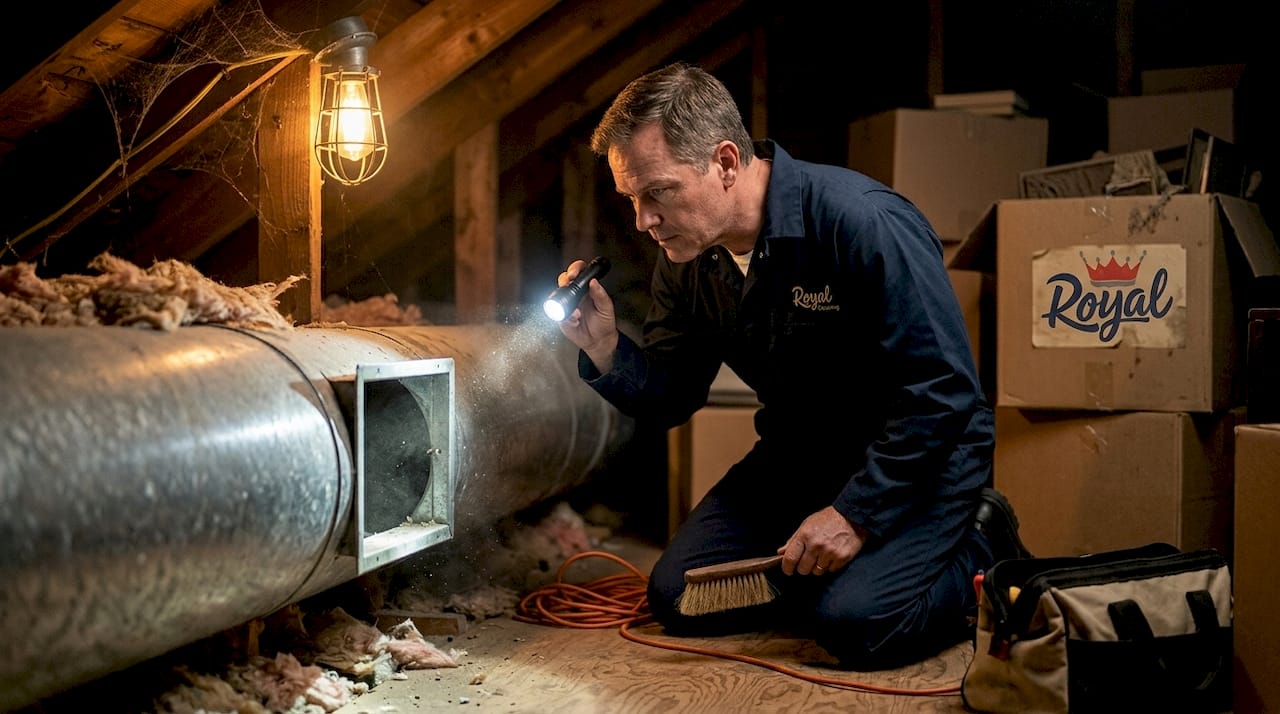
This smell differs from mold or sewer gas in important ways. Biological decay has a heavy, sweet, and intensely foul quality that worsens over the first several days before gradually fading as decomposition completes. The smell is often localized to specific vents rather than distributed evenly throughout the home.
Signs that animal intrusion may be the source of your vent odors:
- A sudden, strong, rotten smell that started on a specific date rather than building gradually
- Scratching or rustling sounds from ducts before the odor appeared
- Visible droppings near vent covers or air registers
- A single vent or room smells significantly worse than the rest of the home
Organic debris beyond animal remains also contributes to ventilation odor problems over time. Dust accumulation, insulation fragments, and organic particles that enter through unsealed ducts or old, deteriorating duct materials all add to the baseline odor load inside a system. None of these are eliminated by simply replacing an air filter.
The best prevention is sealing all duct connections properly and inspecting accessible sections of ductwork at least once a year. If you suspect an animal in your ducts, do not attempt to reach into the system. A professional technician can locate the source, remove it safely, and sanitize the affected area.
HVAC system issues that cause musty or burning smells
Your HVAC system itself can be a significant source of causes of HVAC odors that have nothing to do with plumbing or wildlife. The most common mechanical contributors fall into two categories: moisture failures and heat-related issues.
Blocked condensate drain lines are one of the leading causes of musty HVAC odors. When algae and sludge clog the drain line, water backs up into the drain pan, sits stagnant, and becomes a breeding ground for mold and bacteria. The smell from a clogged condensate system is distinctly musty and damp. It often smells similar to a wet basement. Many homeowners treat this with a filter change or air freshener when the real fix is flushing and cleaning the drain line.
Dirty air filters make the situation worse by restricting airflow, reducing the system’s ability to dehumidify, and pushing stale, contaminated air back into your living space. Filters should be replaced every 60 to 90 days under normal conditions, and more frequently if you have pets or live in a dusty environment.
Burning or electrical smells indicate a different category of problem entirely. These odors point to overheating components such as a failing capacitor, a motor about to burn out, or dust burning off heating elements at the start of the heating season. A brief burning smell on the first cold day of fall is usually harmless. A persistent burning smell or one that smells like burning plastic is not.
Pro Tip: Schedule HVAC maintenance every spring and fall. A technician will clear the condensate drain line, inspect coils for bacterial growth, and catch mechanical issues before they turn into repair bills or persistent odors.
How to identify and eliminate vent odors
Solving bad smells from vents starts with a methodical check rather than guessing. Here is a step-by-step approach that covers the most common sources:
- Smell the vents individually. Walk from room to room with the HVAC running. A smell concentrated in one area points to a localized source like an animal or plumbing leak. A smell that is equal throughout the home suggests a system-wide issue like mold on coils or a dirty filter.
- Check and replace your air filter. Pull the filter and examine it. A heavily soiled filter restricts airflow and contributes directly to poor air quality. Replace it and note whether the smell improves within 24 hours.
- Inspect floor drains and unused sinks. Pour water into any drain you have not used recently to restore the P-trap seal.
- Check around the air handler for standing water. A wet drain pan means a clogged condensate line. This is a straightforward maintenance task a technician can handle quickly.
- Look for signs of animal activity near vent covers and return air grilles. Check for droppings, nesting material, or damage to the grille.
The table below helps you match the type of smell to its most likely source and the appropriate response:
| Smell | Most likely source | First response |
|---|---|---|
| Musty or earthy | Mold or mildew in ducts or coils | Replace filter, clean condensate drain |
| Rotten egg | Sewer gas via dry P-trap or cracked pipe | Add water to drains, call plumber if persistent |
| Decaying, sweet, heavy | Dead animal in ductwork | Call professional for inspection and removal |
| Burning or plastic | Overheating HVAC component | Turn off system, call HVAC technician |
| Stale or dusty | Dirty filter or debris buildup | Replace filter, schedule duct cleaning |
Controlling indoor humidity is the most effective long-term prevention strategy for most biological vent odor sources. Keeping your home between 30% and 50% humidity year-round significantly reduces mold risk. A whole-home dehumidifier or portable units in problem areas accomplish this reliably.
For persistent odors that do not respond to DIY steps, professional air duct cleaning addresses the biological and debris-based sources that no filter change or surface cleaning can reach.
What most homeowners get wrong about vent odors
I have worked with enough homeowners to see a clear pattern: most people treat vent odors as an air quality problem when a significant number of them are actually plumbing problems. I’ve seen cases where families ran air purifiers and changed filters every month for a year while a single dry floor drain in the basement was the entire source of a persistent sewer smell. The fix took 30 seconds. The delay cost them months of discomfort.
What I find most often overlooked is the plumbing vent stack. Homeowners rarely think about the pipes that exit through the roof because they have nothing to do with water supply. But a blocked roof vent changes the pressure balance of the entire drain system, and that shows up as odors inside the home with no obvious cause.
The other mistake I see is addressing symptoms without confirming the root cause. Baking soda in vents, sprays, and ionizers mask odors temporarily. None of them stop mold from growing on a wet coil or sewer gas from entering through a cracked pipe. My advice is to spend 20 minutes doing a systematic check before spending money on any treatment.
— Bernadette
Professional cleaning for lasting odor relief
If you have worked through the checklist above and the smell persists, it is time to bring in professional help. DIY steps are effective for surface-level issues, but mold inside ductwork, biological buildup on coils, and debris accumulated over years require equipment and expertise that go beyond what a homeowner can realistically tackle.
Royal Carpet and Tile Cleaning provides professional air duct cleaning in Albuquerque that removes mold, bacteria, dust, and organic debris from the full length of your duct system. Using high-powered extraction equipment and eco-friendly disinfectants, the team addresses the actual sources of foul odors from vents rather than masking them. For homes where odors have spread to soft surfaces, professional carpet cleaning and upholstery services further reduce the indoor odor and allergen load. If vent odors have been an ongoing problem in your home, scheduling a professional inspection is the clearest path to lasting relief.
FAQ
What are the most common causes of vent odors?
The most common causes include mold or mildew in ductwork, sewer gas entering through dry P-traps, dirty air filters, blocked condensate drain lines, and dead animals inside duct systems. Each cause produces a distinct smell that helps identify the source.
Why does my vent smell like rotten eggs?
A rotten egg smell from vents signals hydrogen sulfide, a component of sewer gas. This typically enters through a dry P-trap in an unused drain. Pouring water into seldom-used drains often solves the problem, but a persistent smell warrants a professional plumbing inspection.
Can mold inside air ducts make you sick?
Yes. Mold in ductwork releases spores into the air every time the HVAC system runs, which can trigger allergies, respiratory irritation, and worsen asthma symptoms. Maintaining indoor humidity below 50% and scheduling regular duct cleaning reduces this risk significantly.
How do I know if a dead animal is in my vent?
A sudden, intensely foul, sweet smell that is concentrated in one part of the home and started abruptly often indicates a dead animal in ductwork. Scratching sounds in the days before the odor began are another strong indicator. Professional inspection and removal is the recommended response.
How often should air ducts be cleaned to prevent odors?
Most HVAC professionals recommend duct cleaning every 3 to 5 years under normal conditions. Homes with pets, recent renovations, visible mold, or persistent odors should schedule cleaning sooner.