(505) 280-5216
Understand duct contamination in Albuquerque homes
Did you know up to 90% of indoor pollutants can stem from contaminated ducts? For Albuquerque homeowners, this hidden threat silently impacts your family’s health and comfort. Dust storms, pet dander, and microscopic particles accumulate inside your HVAC system, circulating allergens with every breath. This guide reveals what duct contamination really is, how Albuquerque’s unique climate accelerates it, and practical steps to reclaim clean indoor air for your home.
Table of Contents
- Understanding Duct Contamination: What It Is And Why It Matters
- How Duct Contamination Occurs: Causes And Local Factors
- Health And Indoor Air Quality Impacts Of Contaminated Ducts
- Recognizing Contaminated Ducts: Signs And Detection
- Professional Vs DIY Cleaning: Risks, Effectiveness, And Best Practices
- Effective Cleaning Methods And Recommended Frequency
- Common Misconceptions About Duct Contamination And Cleaning
- Putting It All Together: Maintaining Clean Ducts For Healthy Homes
- Clean Your Air Ducts With Trusted Albuquerque Professionals
- Frequently Asked Questions
Key takeaways
| Point | Details |
|---|---|
| Duct contamination sources | Dust, mold, allergens, and microbial residues accumulate in HVAC ducts from outdoor pollutants, pet dander, and construction debris. |
| Health risks | Contaminated ducts increase particulate matter by 10-40%, worsening respiratory conditions and allergen exposure in homes. |
| Detection signs | Watch for visible dust buildup, musty odors, worsening allergies indoors, and reduced airflow from vents. |
| Professional advantage | Trained technicians remove up to 90% of contaminants using specialized equipment, while 70% of DIY attempts fail or damage ducts. |
| Cleaning intervals | Recommended every 3-5 years, adjusted for Albuquerque dust storms, pets, and household conditions. |
Understanding duct contamination: what it is and why it matters
Duct contamination refers to the buildup of dust, mold spores, allergens, bacteria, and other microbial residues inside your home’s air duct system. These contaminants settle on duct walls and in crevices, gradually accumulating over months and years. When your HVAC system operates, it pulls air through these contaminated passages, distributing particles throughout every room.
In Albuquerque homes, this contamination becomes particularly concerning because contaminated ducts are a major source of indoor pollution. Your family breathes recirculated air 8 to 10 hours daily while sleeping and relaxing at home. That air quality directly affects respiratory health, sleep quality, and overall comfort.
Common contaminants found in local ducts include:
- Fine desert dust particles carried by New Mexico winds
- Pet hair and dander from dogs and cats
- Pollen from cottonwood trees and desert vegetation
- Mold spores in humid areas near evaporative coolers
- Construction debris from home renovations
- Dead insects and rodent droppings in older duct systems
Recognizing these contaminants helps you understand why managing indoor air quality requires addressing what’s hidden inside your ductwork. Clean ducts mean cleaner air circulating through your living spaces.
How duct contamination occurs: causes and local factors
Contamination enters your duct system through multiple pathways, many unique to Albuquerque’s high desert environment. Understanding these sources empowers you to reduce future buildup and protect your investment in duct cleaning.
Dust storms roll through the Rio Grande Valley several times yearly, carrying fine particulates that infiltrate homes through windows, doors, and HVAC intake vents. Even small gaps around duct joints allow dust infiltration directly into the system. Once inside, particles settle on duct surfaces rather than passing through to filters.
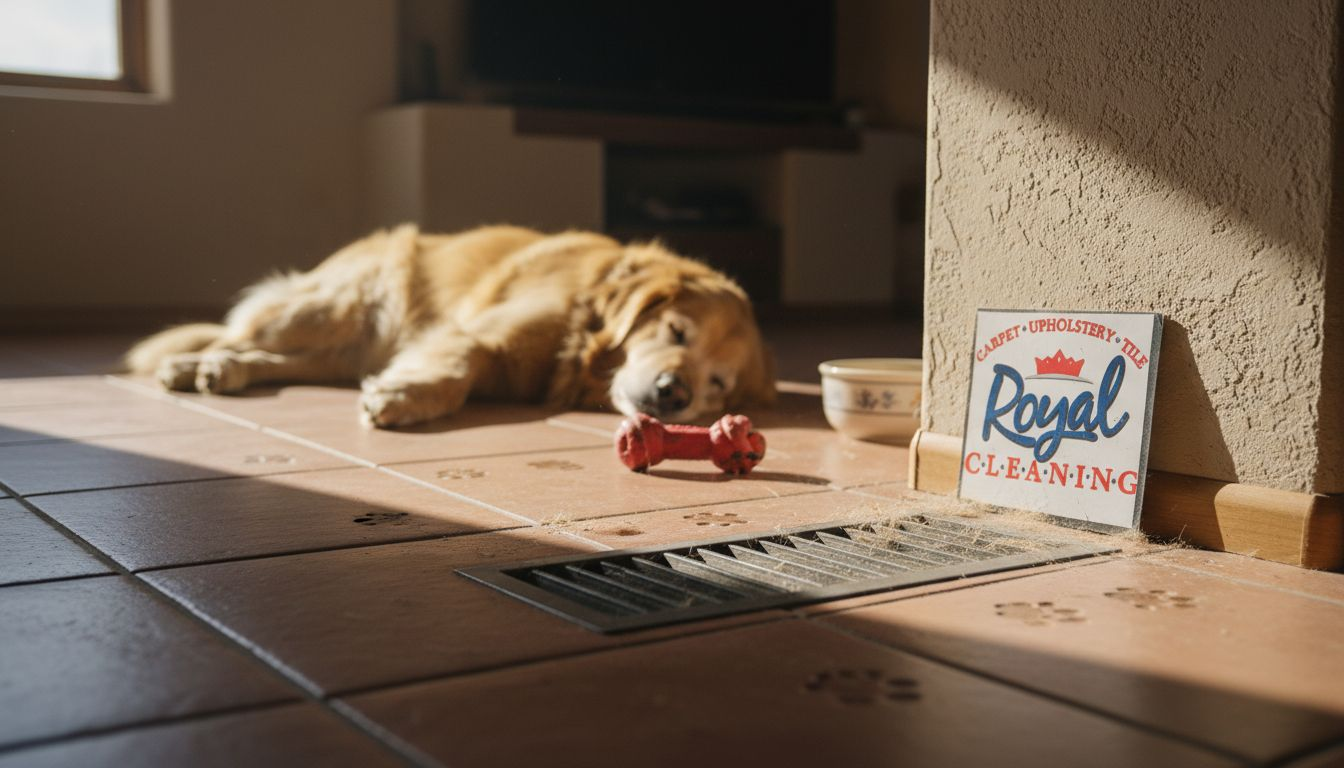
Pet ownership contributes significantly to contamination. Dogs and cats shed hair and skin flakes constantly, with these particles pulled into return air vents. Over time, pet dander forms thick layers on duct walls, becoming a constant allergen source even after deep cleaning your carpets and furniture.
Construction and renovation activities generate enormous amounts of fine dust. Drywall sanding, tile cutting, and demolition work produce particles so small they remain airborne for hours, eventually settling throughout your duct system. This construction dust often contains silica, gypsum, and other irritating minerals.
Local environmental factors intensify these issues:
- Low humidity levels (typically 20 to 40%) keep dust airborne longer
- High elevation and strong winds increase outdoor particle transport
- Evaporative coolers introduce moisture that can support mold growth
- Older homes with uninsulated ducts accumulate more condensation
Recognizing how contamination enters your system helps you anticipate cleaning needs and take preventive measures between professional services.
Health and indoor air quality impacts of contaminated ducts
The health consequences of contaminated ducts extend beyond minor discomfort. Research shows duct contamination can increase particulate matter inside homes by 10-40%, significantly worsening respiratory irritation and allergen exposure. For families with asthma or allergies, this elevated particle load triggers more frequent symptoms and medication use.
Children and elderly family members face heightened vulnerability. Their developing or aging respiratory systems struggle more with airborne irritants. You might notice kids coughing more at night or grandparents experiencing breathing difficulties during visits, both potentially linked to contaminated duct air.
Mold exposure from contaminated ducts contributes to increased asthma attacks, chronic sinus inflammation, and persistent coughing, especially in humid areas of the home near evaporative coolers or bathrooms.
Beyond respiratory effects, contaminated ducts impact daily comfort and energy costs. Dust buildup on duct surfaces restricts airflow, forcing your HVAC system to work harder. This increases electricity bills while delivering less effective heating and cooling. Rooms farthest from your air handler receive inadequate conditioned air, creating hot and cold spots.
Odor problems also stem from contaminated ducts. Musty smells from mold growth or stale dust odors greet you when the system turns on. These smells permeate furniture, bedding, and clothing, creating an unpleasant home environment that’s difficult to mask with air fresheners.
Addressing duct contamination through professional cleaning reduces these health risks measurably. Families report fewer allergy symptoms, better sleep quality, and reduced respiratory medication needs after thorough duct cleaning paired with proper HVAC maintenance.
Recognizing contaminated ducts: signs and detection
Early detection of duct contamination allows you to address problems before they significantly impact health or HVAC efficiency. Several telltale signs indicate it’s time to inspect your ductwork.
Visible dust accumulation around supply and return vents provides the clearest warning. If you notice dark streaks on walls near vents or thick dust layers on vent covers despite regular cleaning, contamination inside ducts is pushing particles into living spaces. Wipe a vent cover with a white cloth. If it comes away gray or black within days of cleaning, contamination is active.
Musty or stale odors when your HVAC system starts signal microbial growth or accumulated organic debris. These smells differ from normal dust odors, carrying a damp or biological character. If opening windows immediately improves indoor air smell, your duct system likely harbors contamination.
Watch for these additional warning signs:
- Family allergy symptoms worsen noticeably when indoors but improve outside
- Visible mold growth around vent openings or on vent covers
- Inconsistent airflow between rooms or weak air pressure from vents
- Increased dust accumulation on furniture despite regular cleaning
- Unexplained respiratory irritation or coughing when the HVAC runs
HVAC performance changes also indicate contamination problems. If your system runs longer to reach set temperatures or energy bills climb without usage changes, restricted airflow from contaminated ducts may be responsible. Technicians can measure airflow and static pressure to confirm contamination effects.
Don’t ignore these signs. Early intervention through professional inspection and cleaning prevents more severe contamination and protects your family’s respiratory health.
Professional vs DIY cleaning: risks, effectiveness, and best practices
Homeowners often wonder whether they can tackle duct cleaning themselves or should hire professionals. Understanding the differences in effectiveness and risks helps you make informed decisions.
Professional duct cleaning removes up to 90% of contaminants using truck-mounted vacuum systems generating negative pressure throughout your entire duct network. Technicians use rotating brushes, compressed air tools, and HEPA filtration to dislodge and capture particles without releasing them into your home. This equipment costs tens of thousands of dollars and requires specialized training to operate safely.
DIY cleaning attempts typically fail to address contamination thoroughly. Studies show 70% of homeowner cleaning efforts either incomplete removal or actual duct damage. Household vacuums lack the suction power to pull debris from deep within ducts. Shop vac hoses can’t navigate turns and joints properly. Without proper containment, DIY cleaning often releases more particles into living spaces than it removes.
Consider this comparison:
| Factor | Professional Service | DIY Attempt |
|---|---|---|
| Contaminant removal | 85-95% removal rate | 20-40% removal rate |
| Equipment power | 5000+ CFM truck-mounted | 50-200 CFM household vacuum |
| Duct access | Full system with cameras | Limited to visible sections |
| Safety protocols | Certified containment methods | Risk of particle release |
| Time required | 3-5 hours complete service | 8-12 hours partial coverage |
| Damage risk | Minimal with training | High risk of duct tears |
Pro Tip: If you’re committed to maintaining ducts between professional services, focus on changing HVAC filters monthly and keeping return air vents clear. These simple actions prevent 60-70% of contamination buildup without risking duct damage.
Professional services also include eco-friendly disinfectants that eliminate bacteria, viruses, and mold spores safely. These EPA-registered products don’t leave harmful residues but significantly reduce microbial contamination that household cleaning can’t address. For professional air duct cleaning, trained technicians ensure proper application without damaging duct materials or indoor air quality.
Effective cleaning methods and recommended frequency
Proper duct cleaning follows a systematic process using specialized equipment and EPA-approved methods. Understanding these steps helps you evaluate service providers and set realistic expectations.
Professional cleaning typically involves these sequential steps:
- Pre-inspection using cameras to assess contamination levels and identify damaged sections
- Creating negative pressure by connecting high-powered vacuums to main trunk lines
- Agitating debris with rotating brushes inserted through access ports
- Using compressed air whips to dislodge stubborn particles from duct walls
- Applying EPA-registered antimicrobial treatments to sanitized surfaces
- Cleaning supply and return vents, registers, and grilles thoroughly
- Replacing or cleaning HVAC filters and inspecting system components
- Final inspection to verify complete contaminant removal
HEPA-filter vacuums capture 99.97% of particles 0.3 microns or larger, preventing contamination release during cleaning. This filtration level exceeds household vacuum capabilities by several orders of magnitude, explaining why professional results differ so dramatically from DIY attempts.
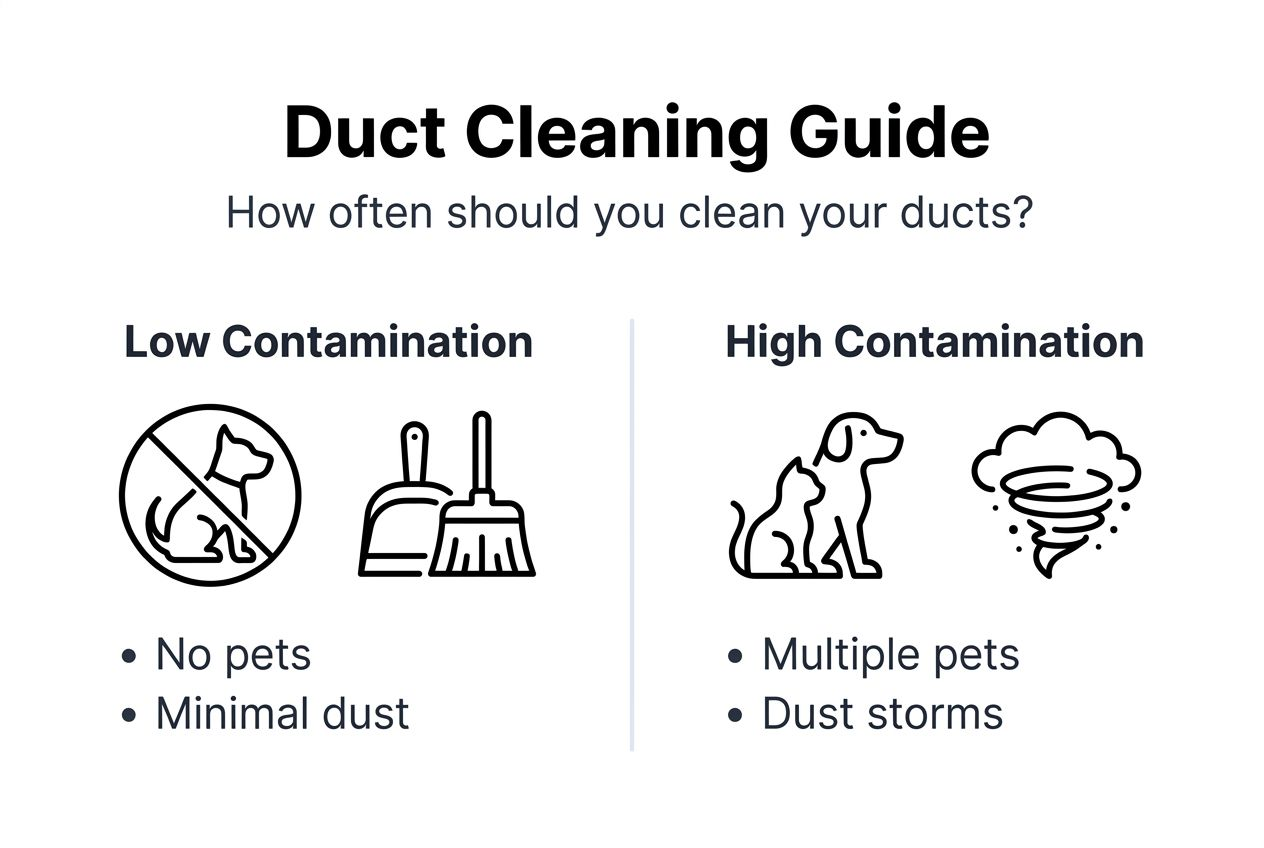
Cleaning frequency depends on your specific household and environmental factors. Regular duct maintenance every 3-5 years is recommended, but frequency should be adjusted for local environment and household conditions. Albuquerque’s dust storms and high winds suggest shorter intervals for many homes.
Adjust cleaning frequency based on these factors:
| Household Factor | Recommended Interval |
|---|---|
| No pets, minimal dust exposure | Every 5 years |
| One pet, moderate dust | Every 3-4 years |
| Multiple pets or smokers | Every 2-3 years |
| Recent renovation or mold issues | Immediately, then every 3 years |
| Severe allergies or asthma | Every 2 years |
Between professional cleanings, maintain your HVAC system by replacing filters every 30-90 days depending on dust levels and filter quality. Check filters monthly during peak dust storm seasons. Keep 6 inches clearance around all vents to maintain proper airflow. These simple maintenance steps extend the benefits of professional cleaning significantly.
Pro Tip: Schedule duct cleaning in spring after dust storm season ends but before heavy air conditioning use begins. This timing maximizes air quality benefits during summer months when you rely most heavily on your HVAC system.
Common misconceptions about duct contamination and cleaning
Several persistent myths about duct contamination and cleaning lead homeowners to make poor decisions or hold unrealistic expectations. Clearing up these misconceptions helps you approach duct maintenance more effectively.
Myth one: Duct cleaning alone guarantees dramatic indoor air quality improvement. Reality is more nuanced. While cleaning removes contamination sources, overall air quality depends on multiple factors including outdoor air quality, building ventilation, source pollutant control, and filter maintenance. Duct cleaning provides significant benefits but works best as part of comprehensive indoor air quality management.
Myth two: All duct cleaning services deliver equivalent results. Service quality varies enormously between providers. Reputable companies use NADCA-certified technicians, truck-mounted equipment, and follow established protocols. Budget services often use portable equipment lacking sufficient power, skip antimicrobial treatments, or employ undertrained staff. Always verify credentials and equipment specifications before hiring.
Key misconceptions to avoid:
- Believing HVAC filter changes eliminate the need for duct cleaning. Filters catch only 60-80% of particles; the rest accumulates in ducts.
- Assuming newer homes don’t need cleaning. Construction debris often contaminates ducts in homes less than five years old.
- Thinking mold-resistant ductwork prevents all mold growth. While resistant materials help, moisture and organic debris still support mold colonies.
- Expecting immediate allergy relief. Benefits typically manifest over 2-4 weeks as residual particles clear from living spaces.
DIY duct cleaning misconceptions prove particularly problematic. Homeowners underestimate contamination depth, overestimate equipment effectiveness, and often cause more problems than they solve. Torn duct seams, disconnected joints, and released contaminants frequently result from well-intentioned but misguided cleaning attempts.
Understanding these realities helps you set appropriate expectations and make informed decisions about duct maintenance. Professional cleaning delivers measurable benefits when performed correctly as part of ongoing HVAC maintenance, not as a one-time miracle cure.
Putting it all together: maintaining clean ducts for healthy homes
Sustaining clean ducts and healthy indoor air requires ongoing attention to multiple factors. Combine professional cleaning with preventive maintenance and source control for optimal results.
Schedule regular professional duct inspections and cleaning matched to your household needs and Albuquerque’s environmental conditions. If you have pets, schedule cleaning every 2-3 years. Homes without pets but exposed to frequent dust storms benefit from 3-4 year intervals. Document each cleaning with before and after photos to track contamination patterns.
Between professional services, implement these preventive measures:
- Replace HVAC filters monthly during dust storm season, every 90 days otherwise
- Vacuum return air vents weekly to prevent debris accumulation
- Keep windows and doors sealed during windstorms to minimize dust infiltration
- Address water leaks immediately to prevent mold-supporting moisture
- Schedule annual HVAC maintenance to identify and repair duct leaks
Combine duct cleaning with other indoor air quality improvements for maximum benefit. Upgrade to MERV 11-13 filters if your system supports them, capturing smaller particles before they enter ducts. Consider adding air purifiers in bedrooms for family members with respiratory sensitivities. Control humidity levels between 30-50% to discourage mold growth while maintaining comfort.
Source pollutant control matters as much as cleaning. Remove shoes at entry doors to reduce tracked-in dirt. Bathe pets regularly to minimize dander. Use exhaust fans when cooking to capture grease and particles. These simple habits reduce the contamination rate significantly.
For Albuquerque homeowners seeking trusted air duct cleaning pros, local expertise matters. Professionals familiar with regional dust patterns and climate conditions provide better guidance and service. When you’re ready to improve your home’s air quality, reviewing essential duct cleaning tips specific to our area helps you prepare for service and maximize benefits.
Consistent attention to duct cleanliness and overall HVAC maintenance creates healthier indoor environments for your family. The investment in professional cleaning and ongoing maintenance pays dividends in improved comfort, reduced health issues, and lower energy costs over time.
Clean your air ducts with trusted Albuquerque professionals
Now that you understand duct contamination and its impact on your home, taking action protects your family’s health and comfort. Professional cleaning transforms contaminated ducts into clean air pathways, reducing allergens and respiratory irritants significantly.
Royal Carpet Cleaning brings specialized expertise to Albuquerque homes, using truck-mounted equipment and EPA-registered treatments that remove up to 90% of duct contaminants. Our trained technicians understand local environmental challenges and tailor services to your specific needs. Whether you’re addressing visible contamination or following recommended maintenance intervals, professional service delivers results DIY methods simply can’t match. Learn more about the benefits of professional air duct cleaning and discover why homeowners should clean air ducts regularly. Schedule your inspection today through our air duct cleaning services and breathe easier knowing your home’s air quality is in expert hands.
Frequently asked questions
What is duct contamination and how does it affect my home?
Duct contamination is the buildup of dust, allergens, mold spores, and bacteria inside your HVAC ductwork. These contaminants circulate throughout your home every time the heating or cooling system runs, increasing airborne irritants that affect respiratory health. Regular cleaning removes these accumulated particles, improving indoor air quality and reducing allergy symptoms for your family.
How often should I have my air ducts cleaned in Albuquerque?
Regular duct maintenance every 3-5 years is recommended, but frequency should be adjusted for local environment and household conditions. Albuquerque’s frequent dust storms, combined with pets or smokers in the home, may require cleaning every 2-3 years. Homes experiencing visible mold growth or recent renovations need immediate attention regardless of the last cleaning date.
Can I clean my air ducts myself or should I hire a professional?
DIY duct cleaning typically fails to remove most contaminants and risks damaging your duct system. Professional services use specialized truck-mounted vacuums generating 5000+ CFM suction, rotating brushes, and HEPA filtration that household equipment can’t match. Professionals also apply antimicrobial treatments safely and inspect for hidden damage, delivering thorough results that protect your investment and family health.
What are the signs that my air ducts need cleaning?
Watch for visible dust buildup around vents, musty odors when your HVAC starts, and worsening allergy symptoms when indoors. Other indicators include inconsistent airflow between rooms, unexplained increases in energy bills, and visible mold growth near vent openings. If wiping vent covers reveals heavy dust accumulation within days of cleaning, contamination inside your ducts is actively circulating particles throughout your home.