(505) 280-5216
The Role of Mold Prevention in Cleaning Your Home
TL;DR:
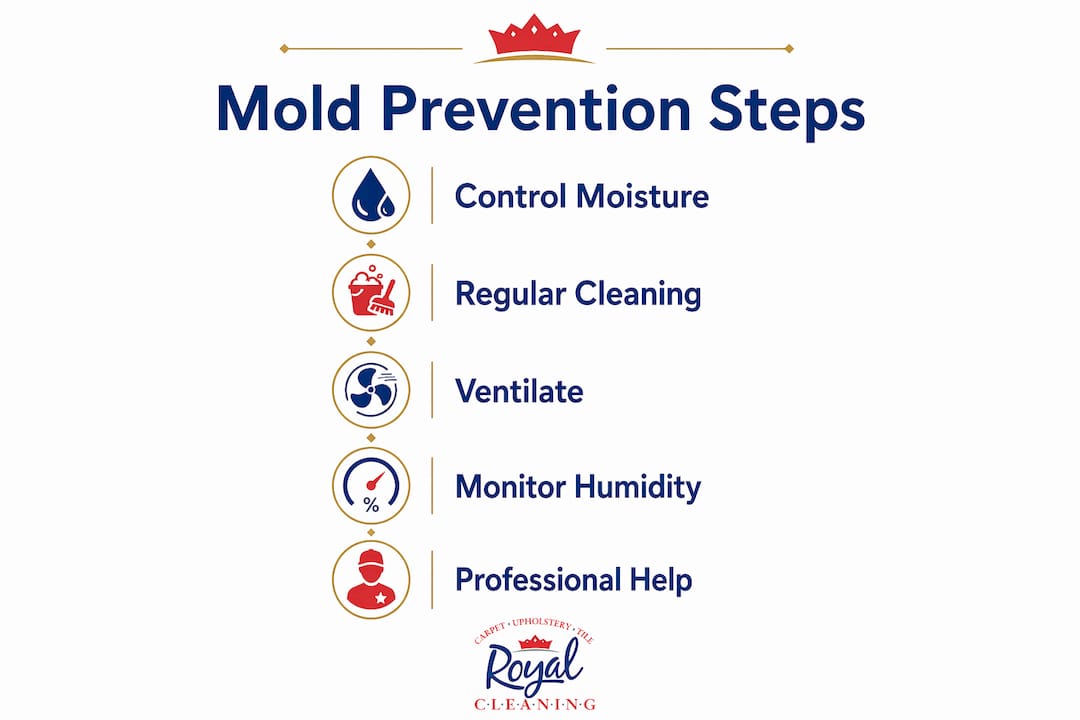
- Moisture control is essential for preventing mold because cleaning alone cannot stop mold growth without managing humidity. Regular habits like fixing leaks and running bathroom fans reduce sources of moisture that foster mold development. Proper cleaning involves removing mold physically and maintaining moisture levels between 30% and 50%.
Mold prevention in cleaning is defined as the combined practice of controlling moisture and removing organic debris to stop mold from colonizing your living spaces. The U.S. EPA confirms that moisture control is the key step in any mold prevention strategy, because cleaning alone cannot stop mold without also managing humidity. Four simple habits — keeping indoor humidity below 50%, fixing leaks within 24 hours, running bathroom fans after showers, and doing monthly inspections — prevent most residential mold problems. Understanding these principles gives you a real advantage before mold gets a foothold in your home.
What is the role of mold prevention in cleaning?
Mold prevention and cleaning are not separate tasks. They work together as one system, and skipping either half breaks the whole approach.
Cleaning removes the organic matter that feeds mold: dust, skin cells, soap residue, and food particles. Without those food sources, mold struggles to grow even when spores are present. But cleaning surfaces while ignoring moisture is like mopping a floor under a dripping pipe. The problem returns within days.
The EPA’s guidance is direct: cleaning removes food sources but cannot prevent mold without moisture control as the foundation. This means your cleaning routine must include steps that reduce and monitor humidity, not just steps that scrub surfaces. Homeowners who treat these as two separate jobs tend to fight recurring mold cycles for years.
How does moisture control relate to cleaning in mold prevention?
Moisture is the single most important factor in mold growth. Mold spores exist in virtually every home, but they only colonize when moisture is present. Controlling humidity is therefore the most direct mold prevention strategy available to you.
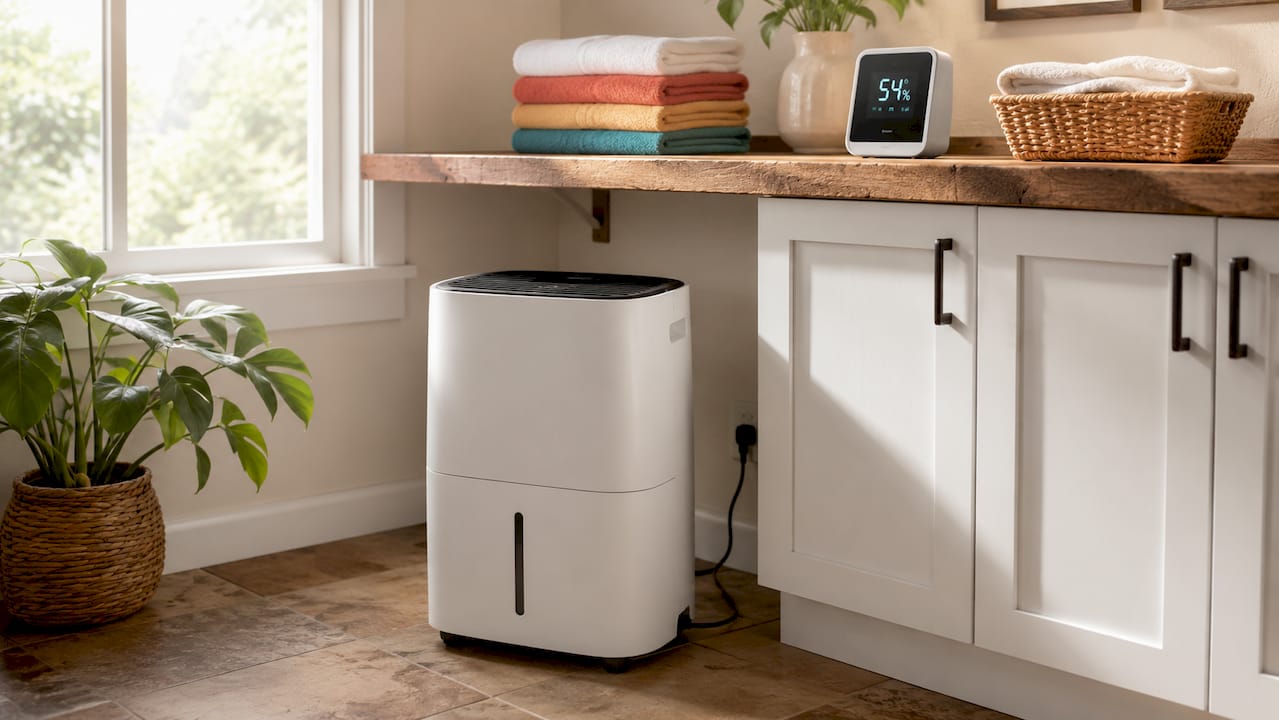
The EPA recommends keeping indoor humidity between 30% and 50%. A 10-pint dehumidifier per 500 sq ft is a practical standard for maintaining that range in problem rooms like basements and bathrooms. Running a dehumidifier alongside your regular cleaning schedule addresses the moisture side of the equation that scrubbing alone cannot touch.
Water damage creates the most urgent moisture risk. Water-damaged materials must be dried within 24–48 hours to prevent mold colonization. That window is short. Knowing how to deal with water damage quickly is one of the most valuable skills a homeowner can have.
Common moisture sources in homes include:
- Leaking pipes under sinks and behind walls
- Condensation on windows and exterior walls
- Poor bathroom ventilation after showers
- Wet laundry left in machines or damp basements
- Flooding or roof leaks that go undetected
Each of these sources requires a different response, but all of them demand fast action. Ventilation is a key complement to cleaning. Running exhaust fans during and after showers pulls humid air out before it can settle on surfaces. Pairing ventilation with routine surface cleaning cuts the conditions mold needs to grow.
Pro Tip: Place a digital hygrometer in your bathroom and basement. These inexpensive devices give you a real-time humidity reading so you know when to run a dehumidifier or open a window, rather than guessing.
What cleaning practices effectively help prevent mold growth?
Physical removal of mold is more effective than chemical disinfection alone. Dead mold spores remain toxic and must be wiped away completely. Spraying a surface with a disinfectant and leaving the residue in place does not solve the problem. You must scrub and remove the material, not just kill it in place.
For routine mold prevention cleaning, follow these steps:
- Identify high-risk areas. Bathrooms, under-sink cabinets, basement walls, and window sills are the most common mold accumulation zones. Start your cleaning routine there.
- Mix a simple cleaning solution. Dish detergent and water are often as effective as harsh chemicals for routine prevention. Reserve stronger products for active mold growth.
- Scrub thoroughly and wipe dry. Use a stiff brush or non-scratch scrubber on tile grout, caulk lines, and corners. Wipe the area completely dry after cleaning.
- Dispose of cleaning materials properly. Rinse sponges and cloths used on moldy surfaces in hot water, or discard them. Reusing contaminated materials spreads spores to clean areas.
- Repeat on a schedule. Bathrooms need attention at least every one to two weeks. Basements and under-sink areas benefit from a monthly check.
Grout lines in tile are a particularly stubborn mold habitat because they are porous and trap moisture. Professional tile and grout cleaning reaches the depth of those pores in a way that routine scrubbing often cannot.
Pro Tip: Avoid oil-based “natural” cleaners on surfaces prone to mold. Oil-based cleaners leave residue that traps dust and skin cells, giving mold a new food source even after the original colony was removed.
Which household habits reduce mold development risk effectively?
Consistent daily and monthly habits do more for mold control than any single deep-clean session. The best practices for mold prevention are not complicated. They are simply consistent.
Four habits cover the majority of residential mold risk:
- Control humidity daily. Keep indoor levels between 30% and 50% using dehumidifiers and ventilation. Check your hygrometer readings regularly.
- Fix leaks within 24 hours. A dripping pipe under a sink can saturate cabinet wood within a day. Prompt repairs stop moisture from becoming a mold problem.
- Run bathroom fans after every shower. Leave the fan running for at least 15–20 minutes after you finish. This removes the humid air that would otherwise condense on walls and ceilings.
- Inspect high-risk areas monthly. Look under sinks, behind appliances, around window frames, and in basement corners. Early detection prevents small issues from becoming large remediation projects.
Routine cleaning also reduces mold food sources. Dust and organic debris accumulate on surfaces and in air ducts, giving mold spores the nutrition they need. Reducing home dust levels through regular vacuuming and air filtration directly supports mold control.
Hidden micro-environments are a frequently overlooked risk. Bath mats and furniture placed flush against exterior walls trap moisture underneath and behind them. Wire shelving and a small gap between furniture and walls allow air to circulate and surfaces to dry. Mold can also grow under flooring materials. Understanding mold growth under flooring helps you recognize warning signs before the problem spreads.
| Habit | Frequency | Purpose |
|---|---|---|
| Check indoor humidity | Daily | Keep levels between 30% and 50% |
| Run bathroom exhaust fan | After every shower | Remove humid air before it condenses |
| Inspect under sinks and behind appliances | Monthly | Catch leaks and moisture buildup early |
| Clean bathrooms and tile grout | Every 1–2 weeks | Remove mold food sources and residue |
| Vacuum carpets and upholstery | Weekly | Reduce dust and organic debris that feed mold |
What precautions are necessary when cleaning mold?
Cleaning active mold requires more care than routine prevention. Disturbing mold colonies releases spores into the air, and those spores can settle in new areas of your home if you are not careful.
Follow these precautions every time you clean visible mold:
- Seal off the work area. Close doors and use plastic sheeting to isolate the space. This prevents spores from traveling to other rooms during cleaning.
- Wear personal protective equipment. Use rubber gloves, safety goggles, and an N95 respirator mask at minimum. Standard dust masks do not filter mold spores effectively.
- Ventilate the space. Open a window or run an exhaust fan directed outside. Do not recirculate the air through your HVAC system while cleaning, as this spreads spores through your ducts. Keeping your air ducts clean also prevents mold from spreading through your ventilation system.
- Discard porous materials. Drywall, ceiling tiles, carpet padding, and fabric that show mold growth cannot be fully cleaned. Bag these items in heavy plastic before removing them from the room.
- Never mix cleaning chemicals. Bleach and ammonia-based cleaners produce toxic fumes when combined. Use one product at a time and rinse surfaces thoroughly between applications.
Mold affecting an area larger than 10 square feet is generally considered beyond the scope of DIY cleaning, according to EPA guidelines. At that scale, professional remediation is the safer choice.
Key Takeaways
Effective mold prevention requires moisture control and physical removal of mold-supporting debris working together as one cleaning system.
| Point | Details |
|---|---|
| Moisture control is the foundation | Keep indoor humidity between 30% and 50% to stop mold before it starts. |
| Physical removal beats disinfection | Dead mold spores stay toxic, so scrub and wipe away all residue completely. |
| Four habits prevent most mold | Control humidity, fix leaks fast, run bathroom fans, and inspect monthly. |
| Hidden spots need attention | Bath mats and furniture against walls trap moisture and create hidden mold zones. |
| Safety matters during cleanup | Use gloves, goggles, and an N95 mask, and seal off the area before cleaning active mold. |
Why I think most homeowners are solving mold in the wrong order
Most homeowners reach for a cleaning product the moment they spot mold. That instinct is understandable, but it addresses the symptom rather than the cause. In my experience, the homeowners who struggle with recurring mold are almost always skipping the moisture management step entirely.
The most common mistake I see is treating mold as a cleaning problem when it is actually a moisture problem that shows up as a cleaning problem. You can scrub a bathroom wall every week and still have mold return by the following month if the exhaust fan is not doing its job. And here is something most people do not check: bathroom fans often vent into attics rather than outside, which means all that humid air is just moving from your bathroom ceiling into your roof structure. That is a hidden mold problem waiting to develop.
The other thing I would caution against is the appeal of “natural” cleaning products. Oil-based natural cleaners feel like a safer choice, but they leave a residue that actually feeds mold over time. Plain dish soap and water, followed by thorough drying, outperforms most of those products for routine prevention.
The homeowners who get mold under control are the ones who pair immediate moisture response with consistent cleaning habits. It is not about one heroic deep-clean session. It is about removing the conditions mold needs, week after week.
— Bernadette
Professional cleaning that supports a mold-free home
Some mold prevention tasks go beyond what routine cleaning can address. Carpets and upholstery accumulate dust, allergens, and organic debris that feed mold spores, and standard vacuuming does not extract what is embedded deep in the fibers.
Royal Carpet and Tile Cleaning provides professional carpet cleaning in Albuquerque and Rio Rancho that removes the deep-seated debris that contributes to mold-friendly conditions in your home. The team also handles upholstery cleaning for sofas, chairs, and fabric surfaces where moisture and organic matter can accumulate undetected. If you are serious about maintaining healthy indoor air quality, professional cleaning of high-traffic surfaces is a practical step that complements everything you do on your own. Contact Royal Carpet and Tile Cleaning to schedule a service that fits your home’s needs.
FAQ
What is the most important step in mold prevention?
Moisture control is the single most important step. The EPA confirms that cleaning removes food sources but cannot prevent mold without also managing humidity levels in your home.
How quickly does mold grow after water damage?
Mold can begin colonizing water-damaged materials within 24–48 hours. Drying affected areas completely within that window is the most effective way to stop mold growth after a leak or flood.
Can I use bleach to prevent mold during routine cleaning?
Bleach is not necessary for routine mold prevention. Dish detergent and water are often equally effective, provided you scrub thoroughly and dry the surface completely after cleaning.
Why does mold keep coming back after I clean it?
Recurring mold almost always points to an unresolved moisture source. Check for slow leaks, poor ventilation, or humidity levels above 50%, and address those conditions alongside your cleaning routine.
When should I call a professional for mold issues?
Call a professional when mold covers an area larger than 10 square feet, when it appears inside walls or HVAC systems, or when it returns repeatedly despite consistent cleaning and moisture control efforts.