(505) 280-5216
The Role of Disinfectants in Cleaning Your Home
TL;DR:
- Disinfectants are chemical agents that effectively kill pathogens on surfaces after cleaning removes dirt and debris. They should be used on cleaned surfaces with proper contact times and in targeted high-risk areas to prevent germ transmission. Proper application, including cleaning first and following label instructions, ensures safety and maximum disinfectant effectiveness in the home.
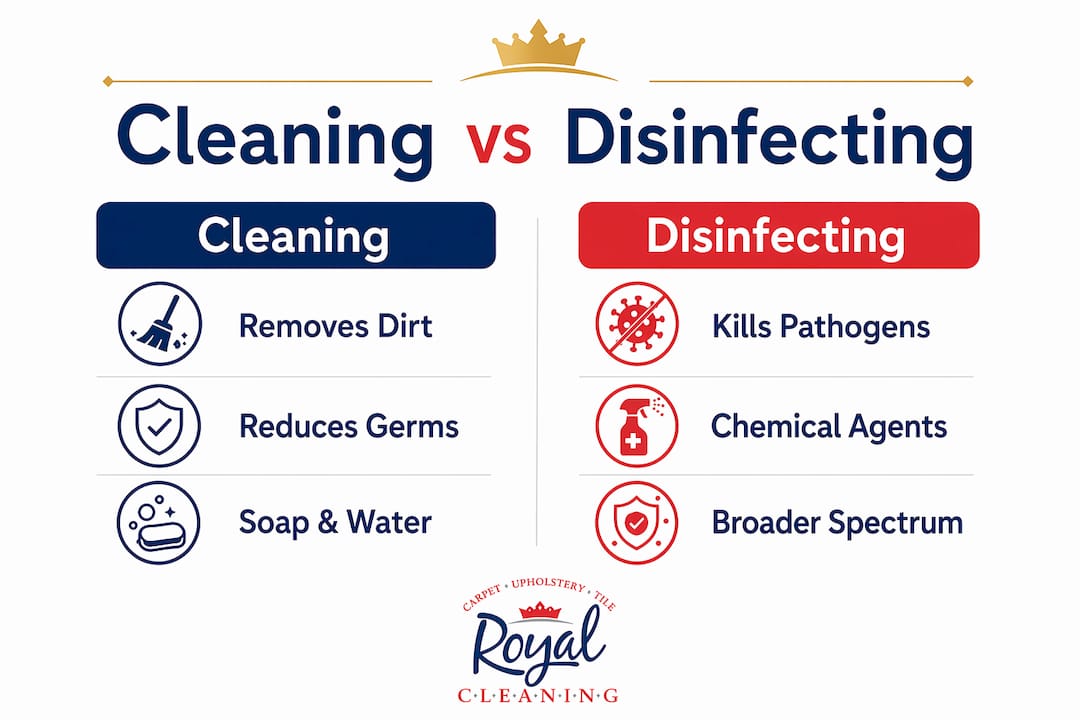
Disinfectants are chemical agents that kill pathogens remaining on surfaces after physical cleaning has removed visible dirt and debris. The role of disinfectants in cleaning is distinct from the act of cleaning itself. Standard cleaning removes 90–99% of germs, but disinfecting pushes that number to 99.9% of targeted pathogens on hard, non-porous surfaces. That gap matters when someone in your home is sick, when you have handled raw meat, or when bathroom surfaces need a deeper level of germ control. Products like Clorox bleach-based sprays, Lysol disinfectant sprays, and alcohol-based solutions are the most common tools families reach for, and each carries an EPA registration number that confirms tested effectiveness.
What is the role of disinfectants in cleaning vs. sanitizing?
Cleaning, sanitizing, and disinfecting are three different actions that are often used interchangeably, but they produce very different results. Understanding the difference helps you choose the right product for the right situation.
Cleaning physically removes soil, grease, and most surface microbes using soap or detergent and water. It does not kill pathogens. It lifts them off the surface and carries them away. Sanitizing goes one step further by reducing bacteria to levels considered safe, mainly on food-contact surfaces like cutting boards and countertops. Sanitizers target bacteria but are less effective against viruses and fungi, which makes them insufficient during a viral illness in your home.
Disinfecting kills a broader spectrum of microorganisms, including viruses, bacteria, and fungi. Common disinfectant ingredients include quaternary ammonium compounds (often called “quats”), sodium hypochlorite (bleach), hydrogen peroxide, and isopropyl alcohol. Each targets different pathogens with different strengths. Quats, found in products like Lysol Multi-Surface Cleaner, work well against bacteria and enveloped viruses. Hydrogen peroxide, used in products like Seventh Generation Disinfecting Spray, is effective against a wider range of organisms including some bacterial spores.
| Action | What it does | Best for | Kills viruses? |
|---|---|---|---|
| Cleaning | Removes dirt and most germs physically | Everyday surfaces | No |
| Sanitizing | Reduces bacteria to safe levels | Food-contact surfaces | Rarely |
| Disinfecting | Chemically kills pathogens including viruses | High-touch surfaces, illness | Yes |
Pro Tip: Look for the EPA registration number on any disinfectant you buy. EPA-registered products are tested for the specific germs listed on the label, giving you confidence the product actually does what it claims.
Why cleaning before disinfecting is non-negotiable
Many families spray a disinfectant directly onto a visibly dirty surface and consider the job done. This is one of the most common mistakes in home hygiene. Dirt and organic matter neutralize disinfectant chemicals before they can reach the microbes underneath, which means the product reacts with the grime instead of the germs.
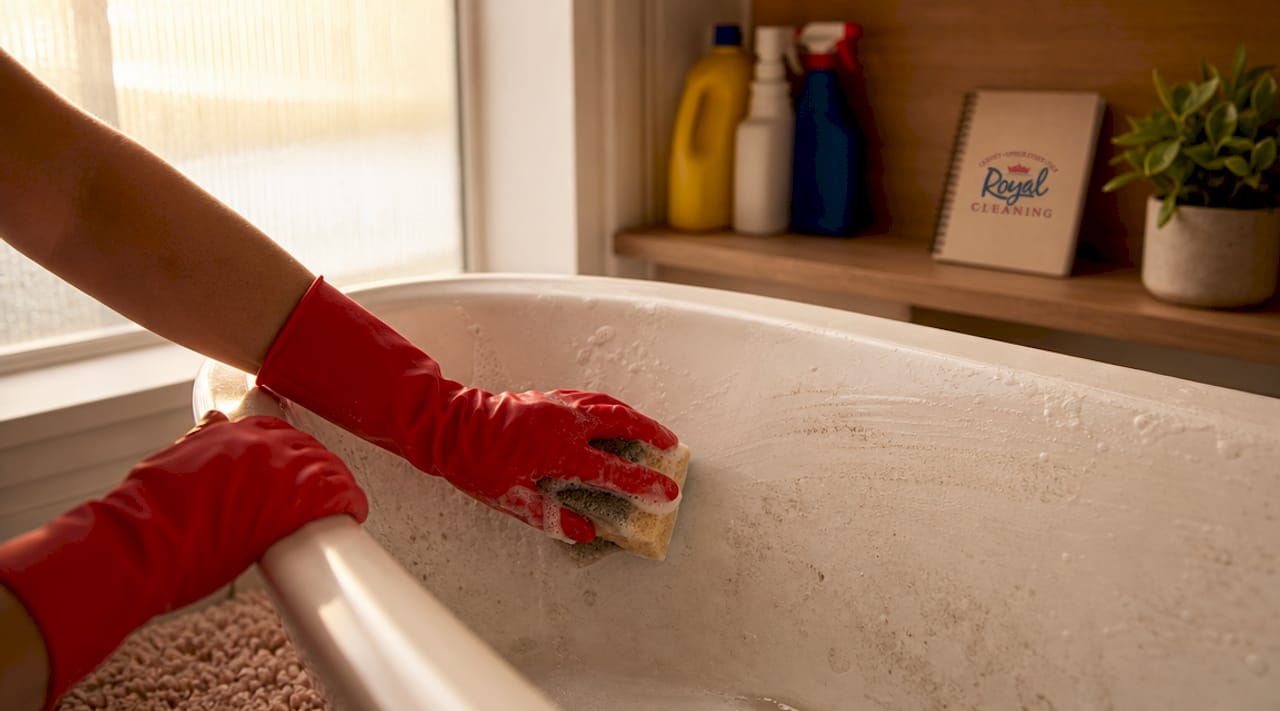
The two-step process works like this: first, you clean the surface with soap and water to remove debris, grease, and biofilms. Then you apply the disinfectant to the now-clean surface and allow it to work. Skipping the first step does not just reduce effectiveness slightly. It can render the disinfectant nearly useless on heavily soiled surfaces and leads to faster microbial regrowth because the organic material remains as a food source for bacteria.
Here is what to do before you reach for a disinfectant:
- Remove visible dirt, food residue, and grease with warm soapy water or an all-purpose cleaner.
- Rinse the surface and allow it to dry or wipe it down before applying the disinfectant.
- Apply the disinfectant generously enough that the surface stays visibly wet for the full contact time listed on the label.
- Never wipe the disinfectant off immediately. Most products require 1 to 10 minutes of contact time to work.
- Ventilate the area while the product is active, especially in enclosed spaces like bathrooms.
Pro Tip: Read the product label instructions before every use, even for products you have used before. Formulations change, and contact times vary between products.
How to use disinfectants safely and effectively at home
Using disinfectants correctly protects your family from both germs and unnecessary chemical exposure. The following steps reflect current expert guidance for residential use in 2026.
-
Choose the right product for the task. For viral illness, select an EPA-registered disinfectant with proven efficacy against the specific virus. The EPA’s Design for the Environment (DfE) program certifies safer disinfectants that protect health while reducing chemical risks. Look for the DfE label if you have children or individuals with respiratory sensitivities at home.
-
Follow the contact time exactly. Disinfectants require surfaces to stay visibly wet for 1 to 10 minutes depending on the product. Wiping the surface dry after 15 seconds stops the chemical reaction before it finishes. Set a timer if needed.
-
Disinfect at the right frequency. Over-disinfection without illness or contamination risk provides minimal health benefit and increases your family’s exposure to chemicals. Reserve disinfection for high-risk moments: someone in the home is sick, you have handled raw poultry or meat, or a bathroom surface needs weekly treatment.
-
Wear gloves when applying concentrated products. Bleach-based and quat-based disinfectants can irritate skin and eyes with repeated contact. Disposable nitrile gloves provide adequate protection for most household applications.
-
Store disinfectants safely. Keep products in their original containers, out of reach of children, and away from heat sources. Never transfer disinfectants into unlabeled bottles or food containers.
-
Never mix products. Mixing bleach and ammonia produces chloramine gas, which is toxic and potentially fatal. Apply products separately and rinse between applications if you are switching from one to another.
Which surfaces in your home need regular disinfection?
Not every surface in your home needs to be disinfected on a regular schedule. Focusing your efforts on the right surfaces saves time, reduces chemical use, and protects your family where the risk is highest.
High-touch surfaces are the priority. These are the surfaces that multiple people contact repeatedly throughout the day, making them the most likely pathways for germ transmission:
- Door handles and knobs (interior and exterior)
- Light switches
- Remote controls and shared electronics
- Faucet handles in kitchens and bathrooms
- Toilet flush handles and toilet seats
- Refrigerator and microwave door handles
- Stair railings
Kitchens and bathrooms carry the highest contamination risk in most homes. Kitchen counters that contact raw meat need disinfection after every use. Bathroom surfaces benefit from weekly disinfection during healthy periods. During illness, disinfect high-touch surfaces daily and bathroom surfaces more frequently, since cold and flu viruses can survive on surfaces for hours to days.
| Surface | Healthy household | During illness |
|---|---|---|
| Kitchen counters (after raw meat) | After every use | After every use |
| Bathroom surfaces | Weekly | Daily |
| High-touch surfaces (handles, switches) | Weekly | Daily |
| Shared electronics | Weekly | Daily |
| Floors | Cleaning only | Cleaning only |
For families with young children, child-safe cleaning practices mean choosing DfE-certified products and allowing surfaces to dry completely before children contact them.
Common misconceptions about disinfectants that put families at risk
Several widespread beliefs about disinfectants lead families to either overuse them or use them incorrectly. Both outcomes carry real consequences.
“A surface that smells clean due to disinfectants may actually be biologically dirtier than one cleaned with soap and water, because organic debris left behind feeds bacterial regrowth.”
The most damaging misconception is that a strong chemical smell equals a germ-free surface. Fragrance has no antimicrobial function. A surface sprayed with a scented disinfectant but wiped off in seconds is not disinfected. It simply smells like it is.
Other common mistakes include:
- Skipping the cleaning step. Applying disinfectant to a dirty surface wastes the product and leaves the surface less protected than a simple soap-and-water clean would have.
- Using disinfectants on every surface every day. Routine over-disinfection can contribute to antimicrobial resistance, cause respiratory irritation, and degrade surfaces over time, with no proven health benefit in low-risk households.
- Assuming all disinfectants kill all germs. Some bacterial spores and certain non-enveloped viruses resist standard disinfectants. Always check the label for the specific pathogens listed.
- Mixing products to “boost” effectiveness. Combining bleach with vinegar, ammonia, or hydrogen peroxide creates toxic compounds. More is not better here.
Effective home hygiene also requires handwashing and other preventive measures alongside disinfection. No single product or practice replaces a complete hygiene routine.
Key takeaways
Disinfectants kill pathogens that cleaning alone cannot eliminate, but they only work correctly when applied to clean surfaces, left for the full contact time, and used at the right frequency.
| Point | Details |
|---|---|
| Clean before you disinfect | Organic matter neutralizes disinfectants; always remove dirt with soap and water first. |
| Contact time determines effectiveness | Surfaces must stay visibly wet for 1 to 10 minutes; wiping too soon stops the process. |
| Target high-touch surfaces | Door handles, light switches, and bathroom fixtures carry the highest transmission risk. |
| Disinfect based on risk, not habit | Reserve disinfection for illness, raw meat handling, and bathrooms to limit chemical exposure. |
| Choose EPA-registered products | The EPA registration number and DfE label confirm tested safety and effectiveness. |
What I have learned from years of watching families clean
By Bernadette
Most families I work with fall into one of two camps. They either disinfect everything every day out of habit, or they skip disinfection entirely because they think cleaning is enough. Both approaches miss the point.
What I have seen consistently is that the two-step process, clean first then disinfect, is the single change that makes the biggest difference. Families who skip straight to the disinfectant spray are often leaving more germs behind than those who simply scrub with dish soap and warm water. The chemistry does not lie. Organic matter wins against disinfectants every time.
I also want to push back on the idea that more disinfection means a healthier home. It does not. Targeted disinfection during illness, after handling raw meat, and on bathroom surfaces weekly is genuinely protective. Daily disinfection of every surface in a healthy household adds chemical exposure without adding health benefit. The goal is precision, not saturation. Use EPA-registered products, follow the label, and let the product do its job by leaving it on long enough to actually work.
— Bernadette
How Royal Carpet and Tile Cleaning supports a healthier home
When your home needs a level of clean that goes beyond what a spray bottle can deliver, professional cleaning addresses the surfaces and materials that accumulate the deepest contamination over time.
Royal Carpet and Tile Cleaning provides professional carpet cleaning in Albuquerque and Rio Rancho that removes embedded allergens, soils, and contaminants that standard vacuuming and surface disinfection cannot reach. Carpets and upholstery hold bacteria, dust mites, and organic debris that feed microbial growth throughout your home. Professional extraction removes these at the source, complementing your regular disinfection routine. Royal Carpet and Tile Cleaning uses health-conscious, eco-friendly products and follows multi-step cleaning processes designed to protect your family. Contact the team to schedule a service that supports the hygiene standards your household deserves.
FAQ
What is the difference between cleaning and disinfecting?
Cleaning physically removes dirt and most germs using soap and water. Disinfecting uses chemical agents to kill the pathogens that remain after cleaning, targeting viruses, bacteria, and fungi on hard surfaces.
How long should disinfectant stay on a surface?
Most disinfectants require 1 to 10 minutes of contact time, meaning the surface must stay visibly wet for that duration. Wiping the product off immediately prevents it from killing pathogens effectively.
Do you need to clean a surface before disinfecting it?
Yes. Dirt and organic matter neutralize disinfectant chemicals before they can reach microbes. Cleaning with soap and water first is required for disinfectants to work as intended.
How often should you disinfect surfaces at home?
Disinfect high-touch surfaces and bathrooms daily during illness and weekly during healthy periods. Routine daily disinfection of all surfaces in a healthy household is not recommended and increases unnecessary chemical exposure.
What does an EPA registration number on a disinfectant mean?
An EPA registration number confirms the product has been tested and proven effective against the specific germs listed on its label. It is the most reliable indicator of a disinfectant’s legitimacy and safety for home use.