(505) 280-5216
Spring cleaning checklist for a healthier Albuquerque home
TL;DR:
- Spring cleaning should prioritize indoor air quality by focusing on ventilation, filtration, surface cleaning, and moisture control specific to Albuquerque’s climate. A room-by-room checklist, coupled with HVAC and air filter maintenance, can significantly reduce airborne and surface pollutants for healthier indoor environments. Professional services further enhance these efforts, ensuring optimal removal of allergens, mold, and dust for lasting home health benefits.
Spring cleaning sounds simple until you’re standing in the middle of your living room wondering where to start. For Albuquerque homeowners, the challenge goes beyond clutter. The region’s dry climate, intense pollen seasons, and seasonal wildfire smoke mean indoor air quality deserves just as much attention as a sparkling countertop. This checklist gives you a structured, room-by-room plan that targets both surface grime and airborne pollutants, so your home feels genuinely clean from the floors to the air you breathe.
Table of Contents
- Essential criteria for indoor air-friendly spring cleaning
- Room-by-room spring cleaning checklist
- HVAC and air filtration: The crucial spring reset
- Moisture control and mold prevention in Albuquerque homes
- Spring cleaning during pollen and wildfire smoke events: Special strategies
- Our expert take: Spring cleaning is your best air quality investment
- Ready to go deeper? Let the professionals help
- Frequently asked questions
Key Takeaways
| Point | Details |
|---|---|
| Start with ventilation | Open windows when outdoor conditions allow, and use clean HVAC filters if not. |
| Clean surfaces methodically | Dust, vacuum, and mop all horizontal surfaces to reduce airborne pollutants. |
| Prioritize filter changes | Replace air and purifier filters every 30-90 days to keep indoor air fresher. |
| Check for moisture | Inspect for leaks and clean moisture-prone spots to prevent mold and maintain healthy air. |
| Adapt for smoke or pollen | Keep windows closed and focus on surface cleaning when outdoor air is poor. |
Essential criteria for indoor air-friendly spring cleaning
Not all cleaning approaches are equal when your goal is healthier indoor air. Before you grab a mop and a bottle of spray cleaner, it helps to understand what actually moves the needle on air quality inside an Albuquerque home.
A solid spring cleaning strategy rests on five pillars:
- Ventilation: Open windows to flush out stale indoor air, but check outdoor conditions first. During juniper or mulberry pollen peaks, or when wildfire smoke is in the area, open windows can make indoor air worse, not better.
- Filtration: Your HVAC filter and any standalone air purifiers are working constantly to trap allergens, dust, and fine particles. Dirty filters stop working. Fresh filters make a measurable difference.
- Surface cleaning: Dust, pet dander, and tracked-in pollen settle on floors, furniture, and countertops. Removing them from surfaces means they can’t re-enter the air every time someone walks through the room.
- Moisture management: Leaks and high humidity create conditions where mold and mildew thrive. Both release spores that worsen air quality significantly.
- Albuquerque-specific diligence: The high desert climate means low humidity most of the year, which keeps dust suspended longer. Pollen spikes in spring are intense. These factors make seasonal cleaning routines essential, not optional.
A spring-cleaning approach focused on indoor air quality should start with ventilation when feasible, then reduce airborne pollutants through filtration, vacuuming, and air purifier maintenance. These aren’t one-time tasks. They’re habits that stack up over the season.
“Cleaning your home for better air quality isn’t just about what you see. It’s about removing what you breathe.”
Pro Tip: Before you open windows for spring cleaning ventilation, check the Albuquerque pollen and air quality index for the day. The New Mexico Environment Department posts daily air quality updates that can save you from pulling more allergens inside.
For more actionable guidance, explore these expert cleaning tips that apply year-round. You can also find additional tips for improving air quality from specialists who work specifically with residential indoor environments.
Now that you know this isn’t just about dusting, let’s break down exactly what your spring checklist should include step-by-step.
Room-by-room spring cleaning checklist
With the core cleaning criteria in mind, here’s the ultimate spring cleaning checklist, organized by room so you don’t miss a step.
Entry and living spaces
- Shake out and wash doormats; replace if worn.
- Dust ceiling fans, light fixtures, and baseboards with a damp cloth.
- Vacuum all rugs and upholstered furniture, including under cushions.
- Mop hard floors after vacuuming to capture fine particles.
- Wipe down window blinds and sills where dust accumulates heavily.
- Clean glass windows and doors inside and out.
Bedrooms
- Wash all bedding, including pillowcases, mattress covers, and comforters, in hot water.
- Vacuum the mattress surface and flip or rotate it.
- Clean air vents and registers with a damp cloth.
- Dust furniture surfaces, headboards, and nightstands.
- Clean window blinds and curtains; wash curtains if the label allows.
Kitchens
- Wipe down cabinet exteriors and interiors, removing crumbs and grease buildup.
- Deep-clean the oven, microwave, and refrigerator coils.
- Scrub counters and backsplash tile thoroughly.
- Sweep and mop floors, including under the refrigerator.
- Run a cleaning cycle in the dishwasher with a commercial cleaner.
Bathrooms
- Scrub tile grout with a stiff brush to remove mildew staining.
- Disinfect sinks, toilets, and tub or shower surfaces.
- Wash or replace the shower curtain and liner.
- Clean exhaust fan covers to improve ventilation.
- Replace bath mats if they show mold or heavy wear.
HVAC and vents
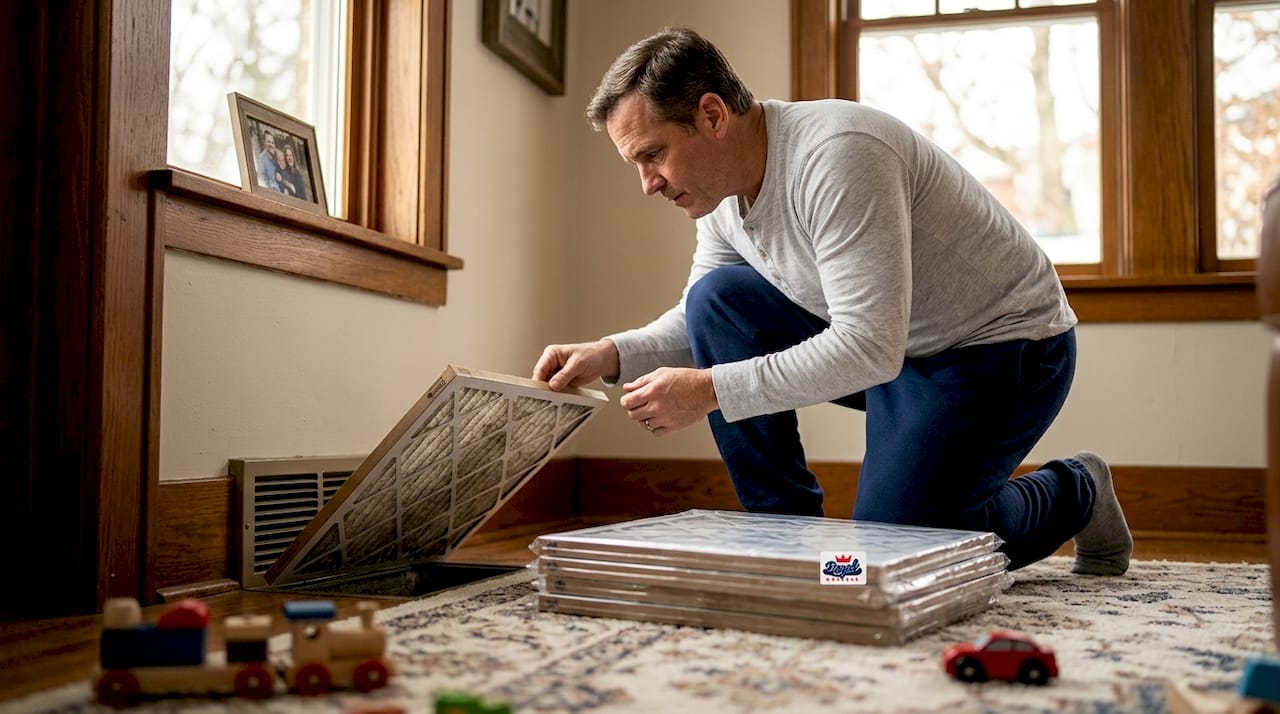
- Replace or clean air filters throughout the home.
- Vacuum all visible supply and return air vents.
- Clear debris around the outdoor HVAC unit.
- Schedule a professional HVAC inspection if it has been more than a year.
Spring cleaning tasks that include HVAC-related items like filter checks and debris clearing consistently appear in expert-recommended checklists for good reason. HVAC spring cleaning is a standard component that homeowners should not skip.
Equally important, cleaning horizontal surfaces can materially reduce indoor air pollutants after outdoor smoke or other contamination events. Floors and tabletops are pollutant magnets.
Pro Tip: When vacuuming carpets as part of your spring clean, go over each area at least twice in different directions. Single-pass vacuuming leaves behind a surprising amount of fine particulate matter that affects air quality.
For targeted guidance, see our articles on carpet cleaning for spring and deep cleaning by room. You can also follow a detailed step-by-step HVAC cleaning process to ensure nothing gets missed.
| Room | Key task | Frequency |
|---|---|---|
| Living room | Vacuum and mop floors | Weekly during pollen season |
| Bedroom | Wash bedding | Every 1-2 weeks |
| Kitchen | Clean appliance coils/filters | Every 3 months |
| Bathroom | Scrub grout and disinfect | Monthly |
| All rooms | Change HVAC filters | Every 30-90 days |
HVAC and air filtration: The crucial spring reset
Beyond room and surface cleaning, spring is the ideal time to give your HVAC and air filters a pro-level reset.
Your heating and cooling system circulates air through every room in your home. If the filters are clogged or the system is carrying months of dust, it actively redistributes allergens instead of removing them. Here’s what to address:
- Air filters: Change standard filters every 30-90 days. If pollen is high or wildfire smoke has been present, change them sooner. A filtration-focused approach to indoor air quality recommends prioritizing filter maintenance when ventilation isn’t safe.
- Air purifiers: Clean the pre-filter and replace HEPA components according to the manufacturer’s schedule. A purifier with a dirty filter is almost useless.
- Outdoor unit: Remove leaves, cottonwood fluff, and debris from around the unit. Clear at least two feet of space on all sides.
- Professional HVAC check: If your system hasn’t been inspected recently, a technician can identify dirty coils, refrigerant issues, or ductwork problems that affect air quality far beyond what filter changes can fix.
Spring cleaning checklists from industry sources consistently include both filter replacement and debris clearing as high-priority spring tasks.
For a deeper dive into your ductwork, our guide on cleaning your air ducts explains when professional duct cleaning is worth it. You can also review a complete set of HVAC maintenance tips that cover everything from coil cleaning to thermostat checks.
| Filter type | MERV rating | Best for | Replacement frequency |
|---|---|---|---|
| Fiberglass | 1-4 | Basic dust | Monthly |
| Pleated | 8-12 | Pollen, pet dander | Every 60-90 days |
| HEPA (standalone purifier) | 17+ | Fine particles, allergens | Every 6-12 months |
| Electrostatic | 8-10 | General allergens | Wash monthly, replace yearly |
Pro Tip: In Albuquerque, cottonwood season in late spring sends huge amounts of fluff into outdoor HVAC units. Check your outdoor unit every two weeks during May and June and remove any fluff buildup before it restricts airflow.
Having the right equipment matters just as much as the right technique. Check our list of best cleaning tools to make sure you’re set up for effective filter and vent maintenance.
Moisture control and mold prevention in Albuquerque homes
While dust and pollen matter year-round, preventing moisture buildup and mold is another essential spring cleaning defense for Albuquerque area homes.
Albuquerque is dry overall, but spring monsoon moisture can begin building in late May. Leaky pipes, poor bathroom ventilation, and condensation around windows create micro-environments where mold thrives quickly. Mold spores are a serious indoor air pollutant, and they’re invisible until a colony has already established itself.
Follow these numbered steps to protect your home:
- Inspect under sinks in kitchens and bathrooms for drips, discoloration, or soft cabinet flooring that signals a slow leak.
- Check around toilets at the base and behind the tank for moisture rings or staining.
- Examine caulking around tubs, showers, and sinks. Cracked or missing caulk lets water reach building materials.
- Scrub tile grout in all wet areas. Mold often starts as a gray or black discoloration in grout lines before spreading.
- Wash or replace shower curtains and bathroom rugs. These are common mold-growth surfaces that homeowners often overlook.
- Run exhaust fans during and after showers for at least 15-20 minutes to reduce moisture in the air.
- Check window tracks and corners in rooms that face east or north, where condensation collects more often.
For spring cleaning that targets moisture-related indoor air quality risks, experts emphasize leak and moisture checks, humidity control, ventilation, and targeted cleaning of moisture-prone areas.
Stat to know: According to indoor environmental health guidance, mold can begin growing on damp surfaces within 24 to 48 hours of water exposure. That makes prompt leak detection one of the highest-value tasks in any spring cleaning routine.
If you struggle with allergy flare-ups at home, our resource on allergy cleaning steps covers additional strategies for reducing biological allergens including mold spores. You can also review targeted mold prevention tips to protect your HVAC system specifically. For a broader look at better air at home, we cover both ventilation and humidity management in one place.
Spring cleaning during pollen and wildfire smoke events: Special strategies
But what about those days when the outside air isn’t much better? Here’s how to adapt your cleaning routine when pollen or smoke are in the forecast.
There are days in Albuquerque when the outdoor air quality index climbs into the “unhealthy” range. Opening windows during those windows of time brings the problem inside. On those days, your cleaning strategy needs to shift.
- Keep windows closed. This is the single most important step when outdoor air quality is poor. Sealed windows prevent additional pollutants from entering.
- Increase air purifier runtime. Run your purifier continuously on medium to high during high-pollen or smoke events. Make sure the filter is clean so it performs at full capacity.
- Switch your HVAC to fan-only mode with a fresh, high-MERV filter installed. This circulates indoor air through the filter repeatedly without pulling in outdoor air.
- Wipe horizontal surfaces daily. Settled pollutants on countertops, tables, and floors get redistributed into the air with foot traffic. Damp mopping and wiping removes them efficiently.
- Vacuum with a HEPA-equipped vacuum. Standard vacuums can exhaust fine particles back into the air. A HEPA filter vacuum traps them.
- Limit cross-ventilation. Even bathroom exhaust fans can pull outdoor air in through other gaps. Be mindful of how airflow moves through your home on bad air days.
Consumer Reports highlights that windows should only open when conditions allow, and Colorado State University research confirms that cleaning horizontal surfaces removes indoor air toxics proportional to the area cleaned.
“When outdoor air is poor, your cleaning routine becomes your primary defense. Surface cleaning and filtration are not backup plans. They’re your main strategy.”
Pro Tip: Download the AirNow app or bookmark airnow.gov to check the Air Quality Index before deciding whether to open windows for any cleaning or ventilation task. It takes 30 seconds and can protect your family’s health.
For seasonal guidance that addresses Albuquerque’s specific outdoor conditions, see our guide covering allergy season tips for local homeowners.
Our expert take: Spring cleaning is your best air quality investment
After years of working with Albuquerque homeowners, we’ve noticed a consistent pattern. The families who feel the biggest improvement in their home’s air quality are not necessarily the ones who clean the most. They’re the ones who clean with a plan.
Indoor air quality is the foundation of a healthy home, not an afterthought to be addressed after the floors look good. Albuquerque’s environment demands that air quality be the organizing principle of your spring routine, because the outdoor conditions here are unpredictable and often harsh.
A room-by-room checklist removes the guesswork. It ensures you don’t skip the bathroom exhaust fan one year and wonder why there’s a mold smell the next. It means your HVAC filter gets changed before pollen season hits full force, not after you’ve already been breathing degraded air for weeks.
The single biggest mistake we see homeowners make is treating filter changes as optional. Skipping them, or stretching them from 60 days to six months, quietly compounds air quality problems that no amount of surface cleaning can fully reverse. Moisture control comes in as a close second. A slow drip under the kitchen sink that goes unnoticed for one spring season can mean mold remediation by fall.
The good news is that following a structured checklist like this one consistently, even imperfectly, produces results you’ll actually feel. Less sneezing during allergy season, fewer musty odors, and a home that feels genuinely fresh rather than just visually clean. Our 2026 deep-cleaning guide builds on these same principles for homeowners who want to go even further.
Ready to go deeper? Let the professionals help
Your spring cleaning checklist gives you a powerful foundation for a healthier home. Some tasks, though, produce dramatically better results with professional equipment and expertise.
At Royal Cleaning New Mexico, we specialize in the services that make the biggest difference for indoor air quality in Albuquerque area homes. Our professional carpet cleaning uses hot water extraction to remove deeply embedded allergens, dust mites, and pollen that surface vacuuming misses entirely. Our upholstery cleaning tackles couches and chairs where settled pollutants accumulate over months. And our tile and grout cleaning removes the mold and mildew residue that scrubbing with household cleaners often leaves behind. Call us today to schedule your spring clean and take your results further than any checklist can on its own.
Frequently asked questions
How often should I change air filters during the Albuquerque spring season?
Change air filters every 30 to 90 days during spring, or more frequently when pollen or smoke levels are high to keep indoor air quality at its best.
What is the best way to prevent mold during spring cleaning?
Inspect for leaks under sinks and around toilets, scrub grout in wet areas, and run exhaust fans to control moisture. Howard Environmental’s mold-prevention checklist emphasizes humidity control and ventilation as the most effective first steps.
Should I open my windows for spring cleaning if there’s wildfire smoke?
Keep windows closed when outdoor air is poor from smoke or high pollen. Consumer Reports advises opening windows only when conditions allow and relying on filtration and surface cleaning instead.
How important is cleaning carpets and upholstery during spring cleaning?
Very important. Deep cleaning carpets and upholstery removes settled dust, pollen, and allergens that accumulate over winter and directly impact the air quality inside your home.
Which surfaces collect the most indoor air pollutants?
Floors, carpets, and horizontal surfaces collect the most dust and settled pollutants, so cleaning them consistently delivers the greatest improvement in indoor air quality.