(505) 280-5216
The Pet Owner’s Playbook: Tackling Dander and Stains Like a Pro
Remove pet dander: 5 Pro Steps, Breathe Easy
Why Pet Dander is More Than Just a Nuisance
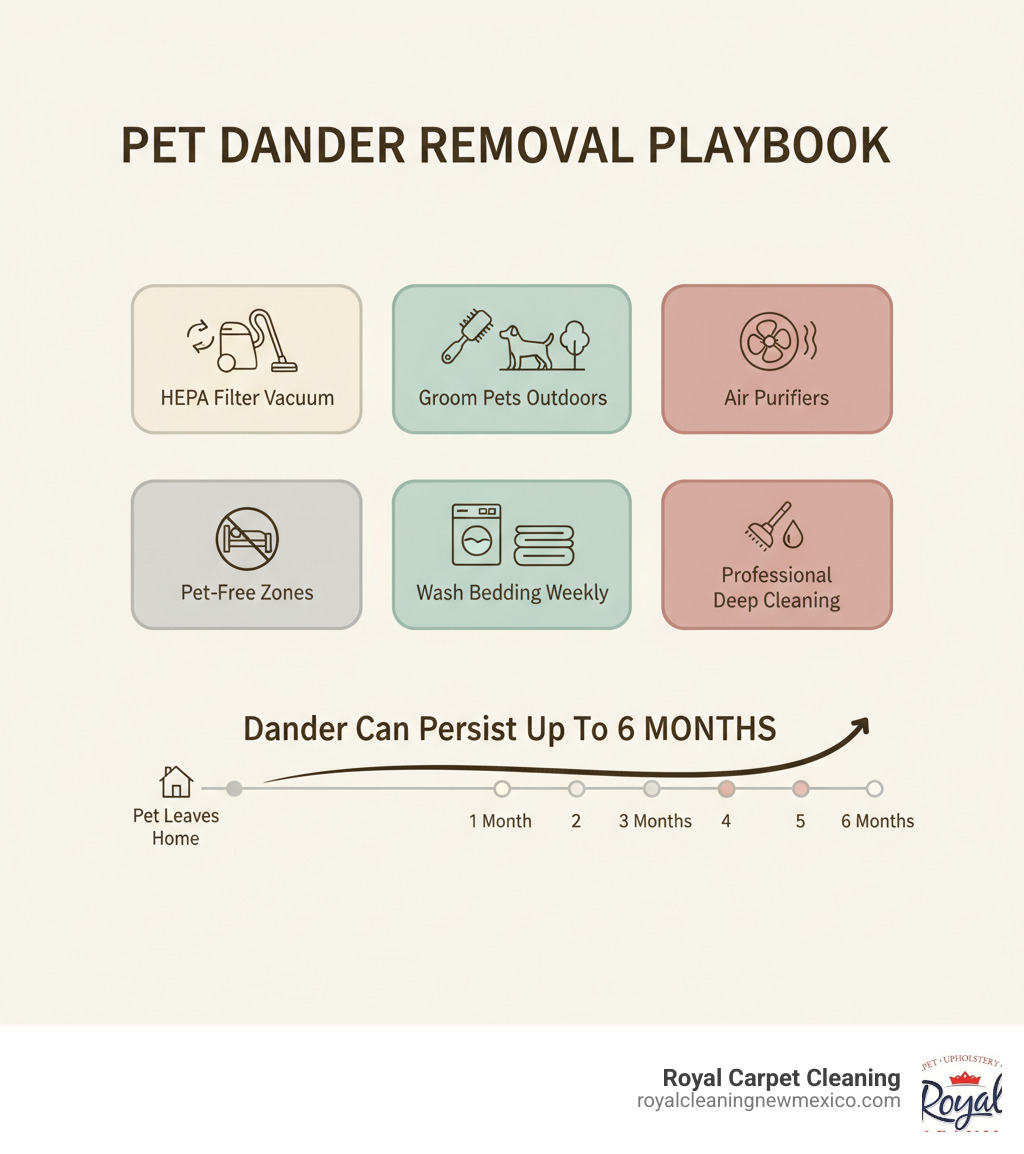
Remove pet dander effectively with these proven methods:
- Vacuum 2-3 times weekly with a HEPA filter to trap microscopic particles
- Bathe and brush pets regularly (weekly if possible) to reduce shedding
- Use HEPA air purifiers in rooms where you spend the most time
- Replace carpets with hard flooring or use low-pile, washable rugs
- Keep pets out of bedrooms and off upholstered furniture
- Change HVAC filters monthly using MERV 17+ rated filters
- Schedule professional carpet cleaning at least annually to remove deeply embedded allergens
For the 30% of Americans with pet allergies, the culprit isn’t fur—it’s dander. These microscopic skin flakes, mixed with proteins from saliva and urine, float for hours and cling to every surface. Research shows carpets can hold 13 times more cat allergens than hard floors, and dander can linger for up to 6 months after a pet is gone. In fact, over 90% of U.S. homes have detectable pet allergens, even those without pets.
If you’re in Albuquerque and struggling with pet dander, I’m Bernadette King RCC. I have years of experience helping homeowners effectively remove pet dander from carpets, upholstery, and air ducts.
Understanding the Unseen: What is Pet Dander and How Does it Affect You?
Pet dander consists of microscopic skin flakes, but the true allergens are proteins in a pet’s saliva, urine, and feces. These tiny, jagged particles float in the air and cling to surfaces, which is why over 60% of Americans are exposed to dander, even without owning pets.
When you inhale these proteins, your immune system may overreact, triggering an allergic reaction.
Common symptoms include:
- Sneezing and a runny or stuffy nose
- Itchy, watery, and red eyes
- An itchy sensation in the nose, throat, or roof of the mouth
- Coughing, often from postnasal drip
- Skin rashes or hives from direct contact
For those with asthma, dander is especially dangerous, as it can trigger asthma attacks. Chronic exposure may also lead to sinus infections. Understanding that dander is the real problem is the first step to effectively remove pet dander and breathe easier.
A Step-by-Step Guide to Remove Pet Dander and Allergens
Controlling pet allergens requires a layered defense system for your home. Each strategy catches what the others miss, creating a healthier living space.
How Regular Cleaning Helps Remove Pet Dander
Consistent, thorough cleaning is your best defense against dander. Those microscopic particles settle everywhere and cling stubbornly, so a targeted approach is essential.
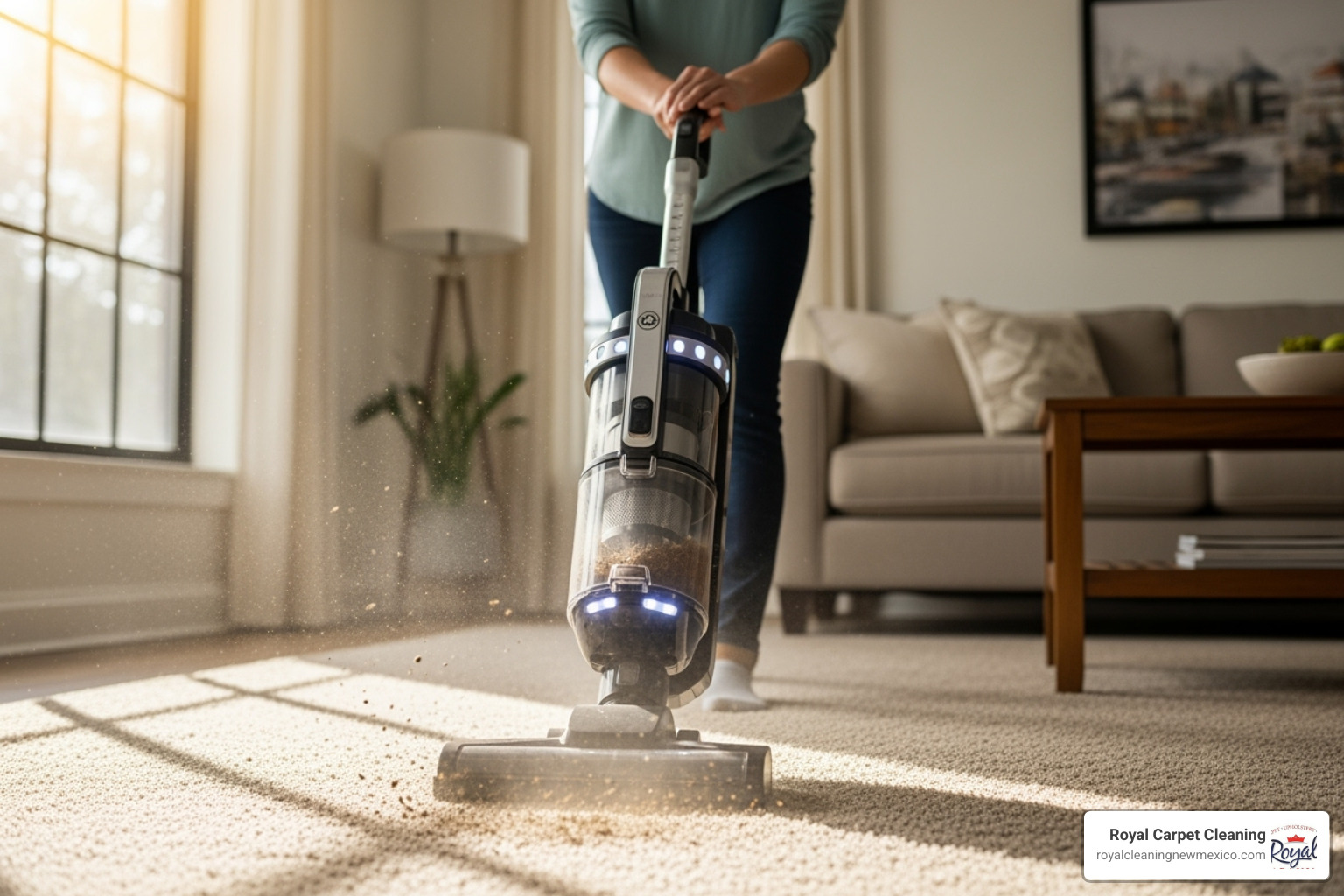
- Vacuum Right: Vacuum carpets and upholstery at least twice a week with a HEPA filter vacuum to trap allergens.
- Dust Smart: Dust hard surfaces with a damp microfiber cloth to capture dander instead of spreading it.
- Wash Everything: Wash all bedding weekly in hot water (130°F+). Use allergen-resistant covers on mattresses and pillows.
- Flooring Matters: Hard flooring like tile or wood is ideal, as carpets hold more allergens. For existing carpets, our allergy-relief carpet cleaning service can extract trapped dander.
- Clean Furniture: Vacuum upholstered furniture often. Professional upholstery cleaning provides a deep clean to remove hidden dander.
Upgrading Your Air Quality to Capture Airborne Dander
Cleaning surfaces is only half the battle. You also need to manage the microscopic dander particles floating in the air.
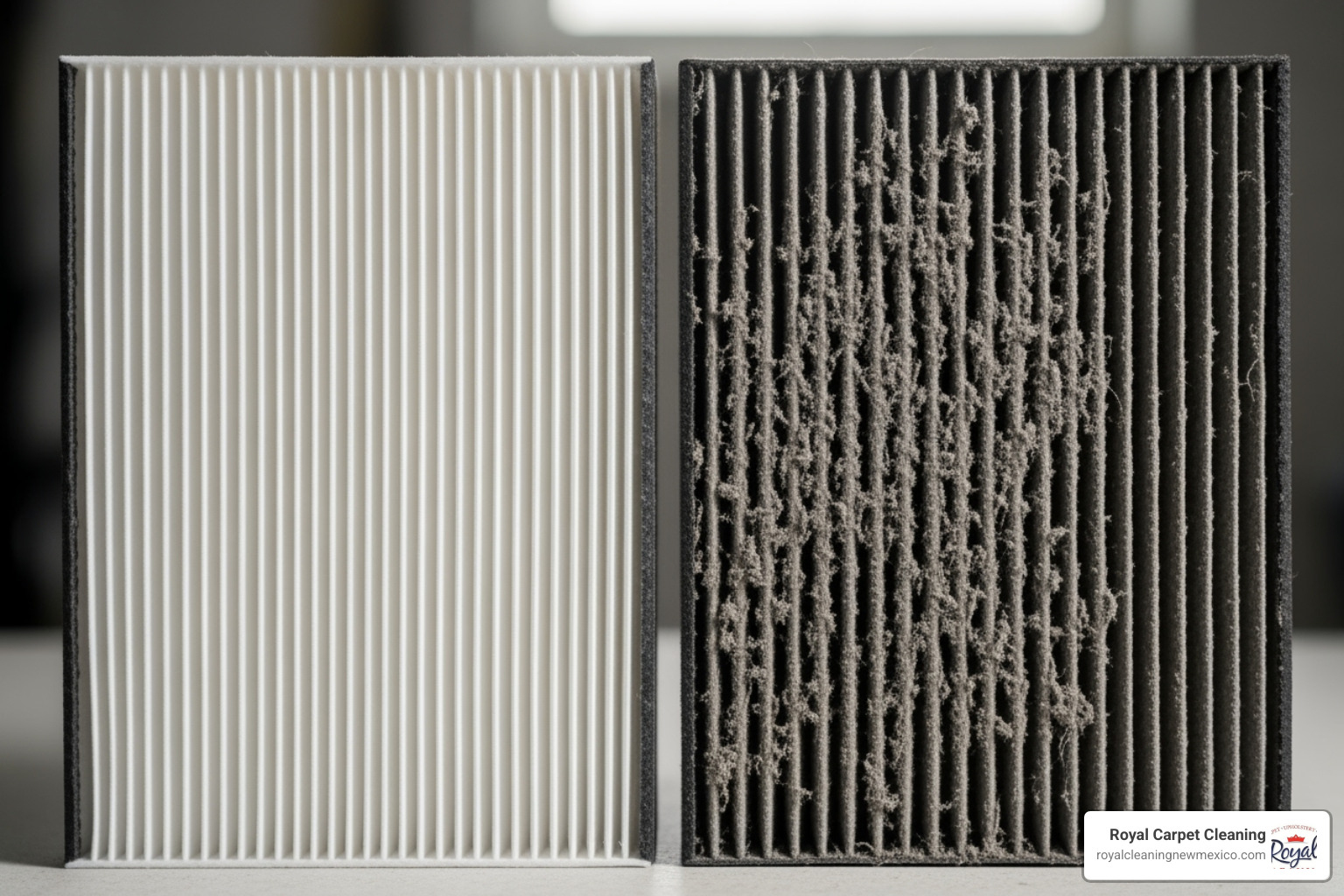
- Use Air Purifiers: Use portable HEPA air purifiers in high-traffic rooms. Look for Certified Asthma & Allergy Friendly® devices for proven performance.
- Maintain Your HVAC: Change HVAC filters monthly with high-MERV rated (17+) filters to capture airborne allergens.
- Ventilate: Ventilate your home by opening windows on low-pollen days or using exhaust fans.
- Clean Your Ducts: If allergies persist, consider professional air duct cleaning to clear dander from your ventilation system.
Managing Dander at the Source: Pet Grooming and Care
Stopping dander before it spreads is the smartest approach. Focusing on your pet’s hygiene reduces the amount of dander that enters your home.
- Bathe Regularly: Bathe your pet regularly with a pet-specific shampoo to reduce dander. Consult your vet for the right frequency.
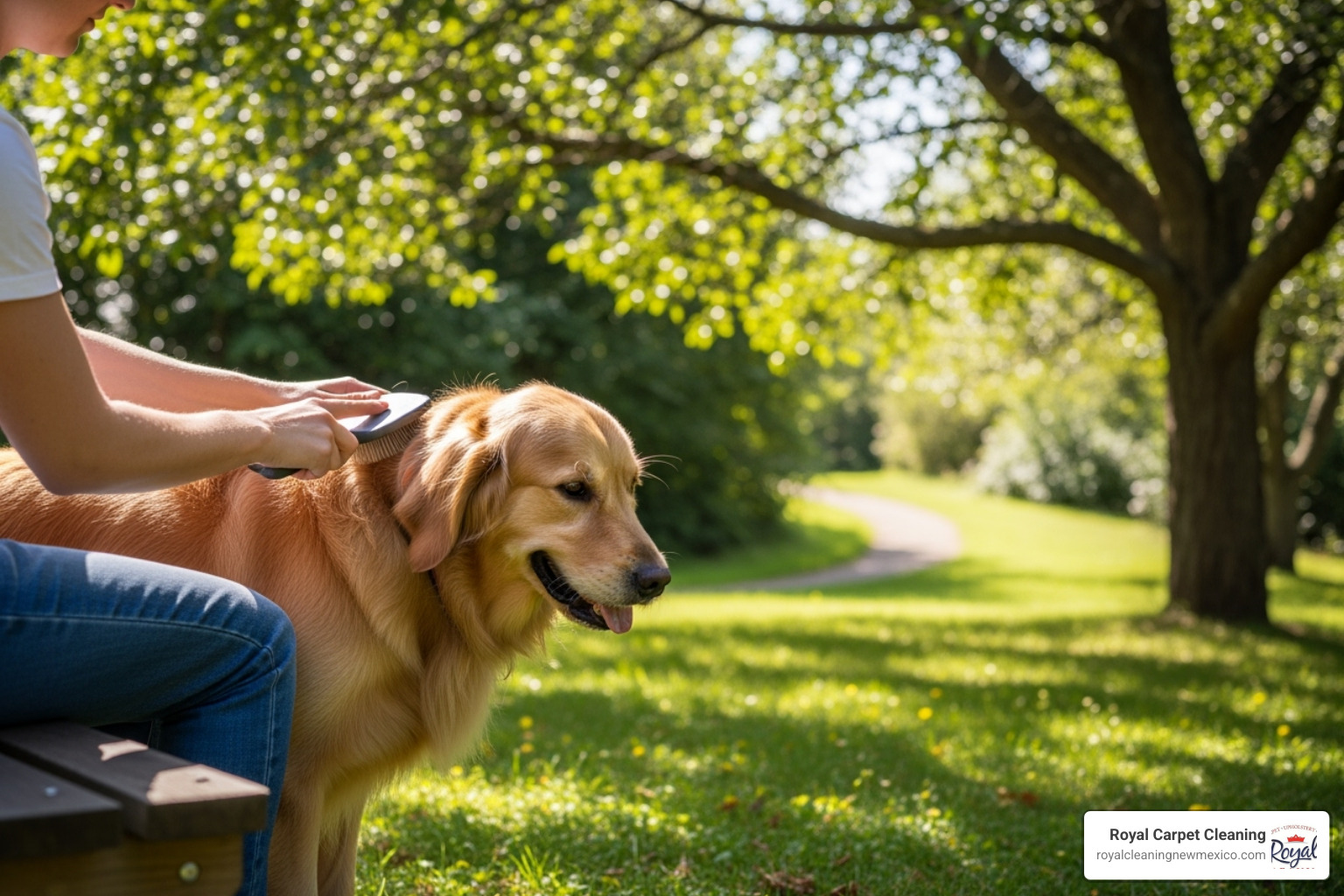
- Brush Outdoors: Brush your pet daily, but always outdoors to prevent dander from spreading inside. Have a non-allergic person help if possible.
- Wipe Down: Wipe your pet down with a damp cloth when they come inside to remove allergens.
Strategic Home Setup: Flooring, Furniture, and Pet-Free Zones
Your home’s layout can either fight dander or invite it in. Make your space work for you.
- Choose Hard Flooring: Choose hard flooring over carpet. If you have carpet, opt for low-pile or washable area rugs.
- Select Furniture Wisely: Select leather or vinyl furniture that can be easily wiped clean. For more tips, see our guide on keeping furniture clean with pets.
- Create Pet-Free Zones: Make the bedroom a pet-free zone to give your body an allergen-free space to recover. Use zippered allergen-resistant or plastic covers on your mattress and pillows.
Advanced Strategies and When to Call the Pros
Even after diligent cleaning, stubborn pet dander can persist. That’s when it’s time for advanced strategies and professional reinforcements.
Debunking the “Hypoallergenic Pet” Myth
You’ve likely heard of “hypoallergenic” breeds, but the truth is: there’s no such thing as a truly hypoallergenic dog or cat. Allergies are caused by proteins in dander and saliva, which all furry pets produce, regardless of breed or hair length. While some breeds may release fewer allergens, none are completely allergen-free. For a genuinely dander-free pet, consider fish or reptiles. You can explore the scientific research on hypoallergenic animals to learn more.
The Final Step: Professional Help to Remove Pet Dander for Good
Sometimes, DIY cleaning isn’t enough. It’s time to call the pros if you experience:
- Persistent allergy symptoms despite regular cleaning.
- Lingering odors or allergens after moving into a home that previously had pets.
- Allergens that have built up over years in carpets and furniture.
Since allergens can linger for up to 6 months, professional cleaning is the fastest way to get relief. At Royal Carpet Cleaning, our hot water extraction process removes up to 94% of household allergens. We use specialized solutions to break down pet proteins deep within carpet and upholstery fibers. For a comprehensive solution, our air duct cleaning and professional upholstery cleaning services can reclaim your entire home from allergens.
We serve Albuquerque, Rio Rancho, Corrales, Placitas, and Bernalillo with transparent pricing and a 100% satisfaction guarantee. If you’re ready to breathe easier, we can help.
Treatment Options for Pet Allergies
If cleaning isn’t enough, medical treatments can help manage pet allergies. While environmental control is key, sometimes your immune system needs extra help. An allergist can confirm your pet allergy and recommend treatments, which may include:
-
Antihistamines: Block allergy symptoms like sneezing and itching for fast relief.
-
Corticosteroid Nasal Sprays: Reduce nasal inflammation and control hay fever-like symptoms. Often a first-line treatment.
-
Decongestants: Shrink swollen nasal tissues to relieve stuffiness. Use nasal sprays for no more than three days.
-
Immunotherapy (Allergy Shots): A long-term treatment of regular injections to retrain your immune system, offering lasting relief.
-
Nasal Irrigation: Flushes allergens and mucus from your sinuses. Use only distilled, sterile, or previously boiled water.
The bottom line is that medication manages symptoms but doesn’t remove the source. The most effective strategy combines medical treatment with diligent efforts to remove pet dander from your home for long-term relief.