(505) 280-5216
Health and safety in cleaning: The homeowner’s guide
TL;DR:
- Many common cleaning practices pose health risks to homeowners, including chemical, ergonomic, and infectious hazards.
- Using appropriate cleaning, sanitizing, and disinfecting methods in the correct order minimizes chemical exposure and enhances safety.
- Choosing certified, eco-friendly products and applying safe cleaning protocols protect indoor air quality and overall home health.
Most homeowners assume that cleaning more often automatically means a healthier home. That assumption is only partly true, and explaining health and safety in cleaning reveals why. The wrong products, improper mixing, or skipping ventilation can introduce risks that wouldn’t exist if you hadn’t cleaned at all. This guide cuts through the confusion and walks you through the real health risks in common cleaning tasks, the difference between cleaning and disinfecting, how to handle chemicals safely, and what product certifications actually mean for your family’s health.
Table of Contents
- Understanding health and safety risks in home cleaning
- Cleaning, sanitizing, and disinfecting: What homeowners need to know
- Chemical safety in home cleaning: Avoiding common hazards
- How cleaning affects indoor air quality and your home’s health
- Choosing health-safe and eco-friendly cleaning products: What certifications and ingredients to trust
- Our perspective: Why “clean-looking” and “safe to breathe” are not the same thing
- Ready to clean your home the right way?
- Frequently asked questions
Understanding health and safety risks in home cleaning
Cleaning feels straightforward. You spray, scrub, and wipe. But common cleaning tasks actually pose a range of hazards including musculoskeletal disorders, skin and respiratory diseases, infectious disease exposure, and chemical risks. That covers a lot more ground than most people expect.
The physical side is easy to overlook. Repetitive scrubbing, bending over a tub, or carrying heavy buckets strains muscles and joints over time. Done regularly without proper posture or breaks, these movements can result in real injury. That matters for anyone cleaning their own home frequently.
Chemical hazards come next. Many common cleaning products contain ingredients that irritate the skin, eyes, and airways, especially when used in enclosed spaces without airflow. Bathroom cleaners, oven sprays, and mold removers tend to have the strongest chemical profiles. Using them without gloves or in a closed room amplifies the risk significantly.
Infectious risks are often underestimated. Cleaning bathrooms, handling used tissues, or wiping down surfaces after someone has been ill can expose you to bacteria and viruses if you’re not using proper technique. The importance of regular home cleaning goes beyond appearance when you consider what can accumulate on surfaces over time.
Here’s a quick summary of the main risk categories:
- Physical and ergonomic risks: Repetitive motion, heavy lifting, awkward positions
- Chemical exposure risks: Skin irritation, eye damage, respiratory issues from fumes
- Infectious disease risks: Exposure to bacteria, viruses, and bodily fluids
- Environmental risks: VOC buildup indoors from chemical-based cleaners
A real health and safety plan for cleaning addresses all four categories together. Focusing only on killing germs while ignoring fumes or posture leaves gaps that add up.
Now that you understand the range of risks involved in cleaning, let’s clarify the differences between cleaning, sanitizing, and disinfecting.
Cleaning, sanitizing, and disinfecting: What homeowners need to know
These three terms get used interchangeably all the time. They are not the same thing, and using the wrong method for a situation either leaves your home less safe or introduces unnecessary chemical exposure.
Here’s how each one works, and when to use it:
- Cleaning removes visible dirt, dust, and most surface germs using water and soap or detergent. It’s the right first step in almost every situation and works by physically lifting contaminants away.
- Sanitizing reduces germs on a surface to a level considered safe by public health standards. It’s most appropriate for surfaces that contact food or mouths, like cutting boards, baby items, and utensils.
- Disinfecting uses chemicals to kill germs on surfaces. It’s appropriate after illness, contact with bodily fluids, or in areas like bathrooms used by someone who has been sick.
- The order matters. You must clean before you disinfect or sanitize, and disinfectants should only be used when there’s a specific reason to avoid creating disinfectant-resistant germs.
That last point surprises a lot of people. Routinely disinfecting every surface in your home “just in case” is not a best practice for cleaning safety. It contributes to chemical overexposure and can encourage microbial resistance over time. Reserve disinfectants for when they’re truly needed.
Understanding home deep cleaning benefits becomes clearer once you know that effective deep cleaning often relies on thorough physical cleaning first, with targeted disinfection applied only where the situation calls for it.
Having grasped when and how to clean versus disinfect, the next step is understanding how to handle cleaning products safely.
Chemical safety in home cleaning: Avoiding common hazards
This is where many cleaning-related injuries happen. Many injuries are caused by improper product use, including mixing products together, accidental sprays in the eyes, or skin contact without gloves. Correct use and ventilation reduce those risks dramatically.
The most important rule: never mix cleaning products. Bleach and ammonia produce chloramine gas, which causes severe respiratory damage. Bleach and acidic cleaners like vinegar produce chlorine gas. These combinations can happen accidentally when people layer products on a surface or pour them down the same drain. The results can be serious even at home.
Follow these cleaning chemical safety tips every time you clean:
- Keep products in original containers. Labels carry critical safety and first-aid information. Decanting into unlabeled bottles is a common cause of accidental misuse.
- Wear gloves. Even mild cleaners can dry out and irritate skin with repeated contact. Nitrile or rubber gloves protect your hands during every cleaning session.
- Ventilate the space. Open windows and run exhaust fans whenever you’re using spray cleaners, especially in bathrooms. Poor ventilation concentrates fumes quickly in small rooms.
- Store safely. Products must be stored out of reach of children and pets, ideally in locked cabinets or on high shelves. This applies to products marketed as “mild” or “natural” too.
- Read the label first. Dilution ratios, contact time, and surface compatibility are listed for a reason. Ignoring them can reduce effectiveness or increase risk.
Pro Tip: If you accidentally mix products and notice a sharp smell or irritation, leave the room immediately, get fresh air, and call Poison Control at 1-800-222-1222. Don’t wait to see if symptoms get worse.
Reviewing cleaning tips for safer air alongside your chemical safety habits gives you a fuller picture of how product choices ripple through your home’s air quality.
With safer chemical use established, let’s explore how your cleaning choices impact indoor air quality and overall home health.
How cleaning affects indoor air quality and your home’s health
Here’s something most people don’t expect. Indoor air can be 2 to 5 times more polluted than outdoor air, and improper cleaning can increase airborne pollutants rather than reduce them. The products you use and the methods you choose both play a role.
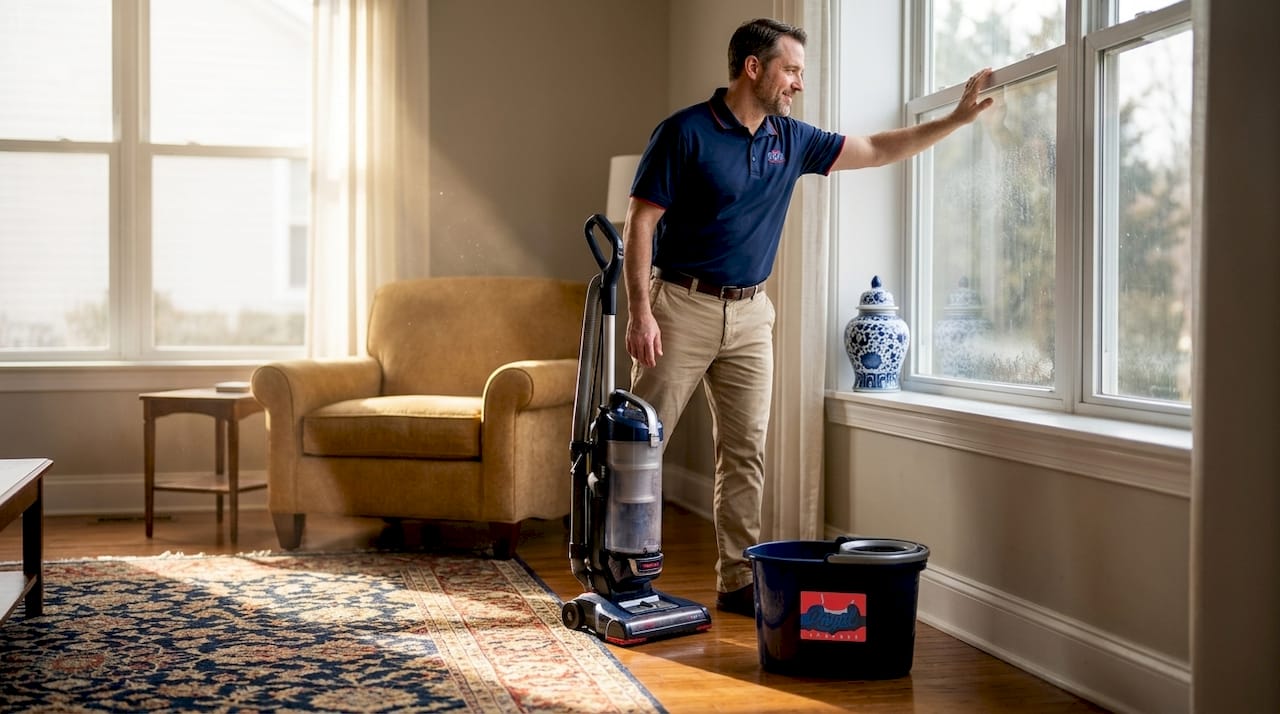
Dry sweeping and feather dusting are good examples. Both methods lift particles into the air instead of capturing them. Those particles, including dust mite debris, pet dander, and mold spores, settle back onto surfaces and get inhaled in the process. It’s a cleaning method that redistributes the problem instead of solving it.
Compare the most common cleaning approaches and their impact on indoor air quality:
| Method | Particle capture | VOC risk | Best for |
|---|---|---|---|
| Dry sweeping/dusting | Low (resuspends particles) | Low | Outdoor use, not recommended indoors |
| HEPA vacuum | High | Low | Carpets, upholstery, hard floors |
| Microfiber mop (damp) | High | Low | Hard floors and sealed surfaces |
| Spray and wipe (conventional cleaners) | Medium | Medium to high | General surfaces with ventilation |
| Eco-certified spray products | Medium | Low | General surfaces, health-sensitive homes |
Key practices that protect indoor air quality while you clean:
- Use a HEPA-filter vacuum on carpets, rugs, and upholstery to capture allergens instead of moving them around
- Choose damp microfiber cloths over dry dusting for hard surfaces
- Select eco-certified cleaning products to reduce VOC (volatile organic compound) emissions
- Address moisture issues promptly. Mold and bacteria thrive in wet areas like bathrooms and under sinks, and they become airborne once disturbed
Pro Tip: After cleaning with any spray product, give the room 15 to 20 minutes of ventilation with a window open before spending extended time in the space. This clears residual VOCs without requiring any extra effort.
Working with a professional who uses air duct cleaning services is one of the most effective ways to remove built-up allergens and dust that regular cleaning can’t reach.
Now that you understand indoor air quality impacts, let’s compare common cleaning product types and certifications to help you choose safer options.
Choosing health-safe and eco-friendly cleaning products: What certifications and ingredients to trust
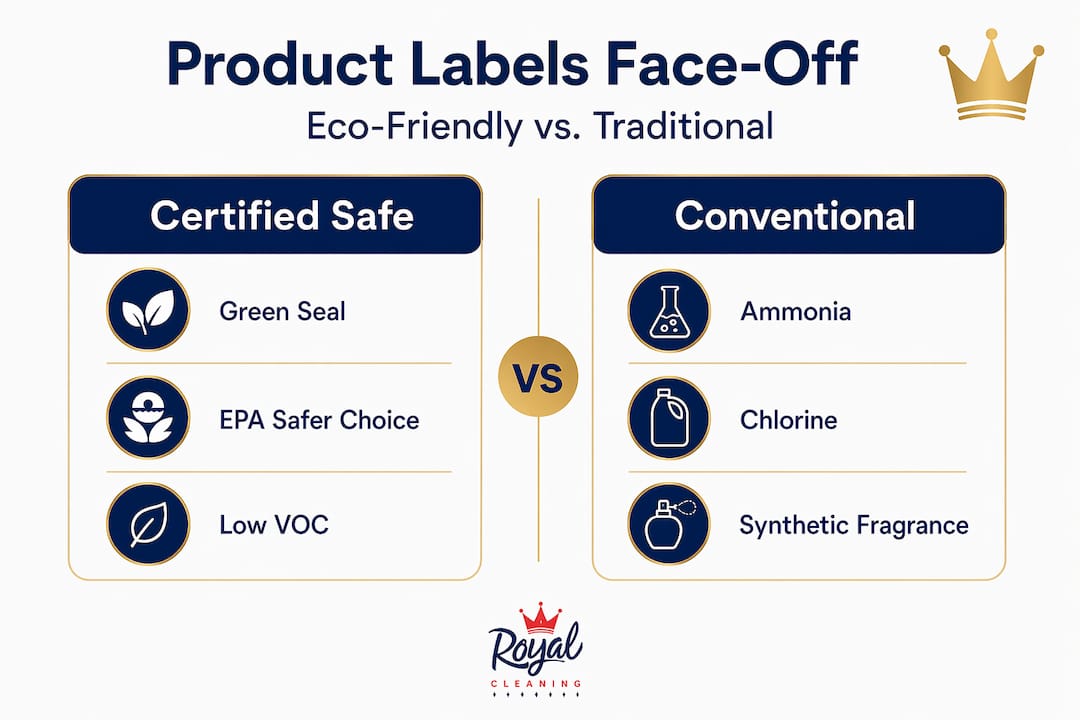
Walk down any store aisle and you’ll see products labeled “natural,” “green,” “eco-friendly,” and “plant-based.” None of those terms are regulated. They don’t guarantee that a product is safe for your health or for the environment. As the Vermont Department of Health notes, natural labels don’t guarantee safety. Certifications from independent organizations do.
| Certification | Who grants it | What it means |
|---|---|---|
| Green Seal | Green Seal (nonprofit) | Meets strict environmental and safety performance standards |
| Safer Choice | U.S. EPA | Every ingredient reviewed for human and environmental safety |
| UL ECOLOGO | UL (safety science company) | Third-party verified environmental claims |
These certifications require manufacturers to disclose ingredients and meet documented safety thresholds. A product displaying one of these logos has been reviewed by a third party, not just labeled by a marketing team.
When it comes to disinfectant ingredients, some are significantly safer than others:
- Hydrogen peroxide: Breaks down into water and oxygen; effective disinfectant with low toxicity
- Citric acid: Plant-derived, effective against mold and bacteria, low irritation profile
- Ethanol and isopropanol: Effective disinfectants that evaporate quickly with minimal residue
- Lactic acid: Low toxicity, found in certified disinfectants for health-sensitive environments
What to avoid or use with caution:
- Products with added synthetic fragrances (linked to respiratory irritation and allergic reactions)
- Triclosan (an antimicrobial linked to endocrine disruption and resistance)
- Undisclosed “inert” ingredients that can include known irritants
Your cleaning choices at the product level directly affect chemical exposure in your home. Pairing certified products with advanced cleaning equipment further reduces the health load on your indoor environment.
Our perspective: Why “clean-looking” and “safe to breathe” are not the same thing
After years of working in homes across Albuquerque and the surrounding area, the pattern we see most often is this: homeowners judge cleaning results by appearance. If surfaces look clean and there’s a fresh smell, the job feels done. But some of the most health-relevant work happens where it isn’t visible, and some of what creates that “fresh” scent is actually adding chemical load to your air.
Artificial fragrances are a useful example. Many conventional cleaning products and air fresheners rely on synthetic fragrance compounds to signal cleanliness. But fragrance blends can contain dozens of undisclosed chemicals, some of which are classified as respiratory irritants. The home smells clean. The air isn’t.
The same logic applies to disinfection. Homeowners who disinfect every surface every day aren’t getting proportionally healthier homes. They’re increasing their chemical exposure without a meaningful reduction in infectious risk, especially in households where no one is ill.
The cleaning industry safety standards that professional services follow exist precisely because experts know visible results don’t capture the full picture. When you hire a professional cleaner, the real value isn’t just a shinier floor. It’s the application of the right method, the right product, and the right safety protocol for each surface and situation in your specific home.
We believe that real home health comes from understanding what you’re doing and why, not just how hard you’re working at it. That’s the foundation of every service we provide in Albuquerque, Rio Rancho, and the surrounding communities.
Ready to clean your home the right way?
Applying best practices for cleaning safety consistently takes knowledge, the right tools, and the right products. That’s exactly what Royal Cleaning New Mexico brings to every home we service in Albuquerque, Rio Rancho, and the surrounding areas.
Whether you need carpet cleaning, air duct cleaning, tile and grout restoration, or a thorough deep clean, our team uses advanced equipment, eco-friendly disinfectant options, and proven cleaning health protocols to protect your home’s air quality and your family’s health. We prioritize transparency, safety, and results you can actually feel. Contact us today to schedule your service and experience what a truly health-focused clean looks like.
Frequently asked questions
What is the difference between cleaning, sanitizing, and disinfecting?
Cleaning removes dirt and germs physically, sanitizing lowers germs to safe levels for food-contact surfaces, and disinfecting kills most germs using chemicals but should only be used when necessary to avoid resistance risks.
Are “green” or “natural” cleaning products always safer?
Not always. Many “green” or “natural” products can still irritate skin and airways, so look for products with certified safer labels like Green Seal or Safer Choice, and always follow usage instructions.
How can I safely use household cleaning chemicals?
Use every product in a well-ventilated space, never mix chemicals, keep products in their original containers, wear gloves, and follow label instructions exactly. Most cleaning injuries come from mixing products or skipping protective equipment.
How does cleaning impact indoor air quality?
Proper cleaning reduces dust, allergens, and pollutants, but improper methods can worsen air quality. Indoor air is 2 to 5 times more polluted than outdoor air, and using HEPA vacuums, damp microfiber, and eco-certified products helps keep that number down.