(505) 280-5216
Eco-Friendly Cleaning Methods for a Healthier Home
TL;DR:
- Most homeowners unknowingly expose themselves to lung risks by using spray cleaners daily, which release harmful volatile organic compounds. Switching to simple, natural ingredients like vinegar, baking soda, castile soap, and essential oils can effectively clean most household surfaces while reducing costs and environmental impact. Proper technique, minimal product use, and verified certifications ensure safe, efficient, and eco-friendly cleaning practices.
Most homeowners don’t realize that the spray cleaner they use every morning could be affecting their lungs. Weekly spray cleaner use raises asthma risk by 30 to 50%, and many conventional products release volatile organic compounds that linger indoors for hours. The good news is that switching to eco-friendly cleaning methods doesn’t mean sacrificing results. With the right ingredients, tools, and techniques, you can clean your home thoroughly, save money, and protect the people — and pets — you share it with.
Table of Contents
- Key takeaways
- Your eco-friendly cleaning toolkit
- DIY eco-friendly cleaning recipes that actually work
- Techniques for better cleaning with less product
- Safety, certifications, and avoiding greenwashing
- Troubleshooting common challenges
- My take on switching to green cleaning
- When professional cleaning takes over from DIY
- FAQ
Key takeaways
| Point | Details |
|---|---|
| Four ingredients cover most tasks | White vinegar, baking soda, castile soap, and essential oils handle about 90% of household cleaning needs. |
| Starter kit saves real money | An eco-friendly cleaning kit costs under $40 and can save you over $200 annually compared to commercial products. |
| Certifications prevent greenwashing | Labels like EPA Safer Choice and Green Seal verify that a product is genuinely safe, not just marketed that way. |
| Mechanical action matters most | Microfiber cloths and proper scrubbing technique reduce your need for any cleaner, natural or chemical, by up to 70%. |
| Vinegar is not a disinfectant | For true sanitization, use 3% hydrogen peroxide or ethanol-based products rather than relying on vinegar alone. |
Your eco-friendly cleaning toolkit
Getting started with green cleaning techniques is simpler than most people expect. You don’t need a cabinet full of specialty products. In fact, four basic ingredients cover 90% of household cleaning needs, and a complete starter kit costs under $40.
Here are the core ingredients and what each one does:
- White vinegar: Cuts through mineral deposits, soap scum, and light grease. Works on glass, countertops, and tile. Avoid it on natural stone like marble or granite since the acidity etches the surface.
- Baking soda: A mild abrasive that lifts stains, neutralizes odors, and scours without scratching. Great for sinks, tubs, and ovens.
- Castile soap: A plant-based soap that cleans without harsh synthetic surfactants. Use it diluted for floors, dishes, and general surfaces.
- Essential oils: Tea tree, eucalyptus, lemon, and orange oils add antimicrobial properties and fragrance to your recipes. Handle with care around pets, especially cats, because certain compounds in these oils can be toxic to them.
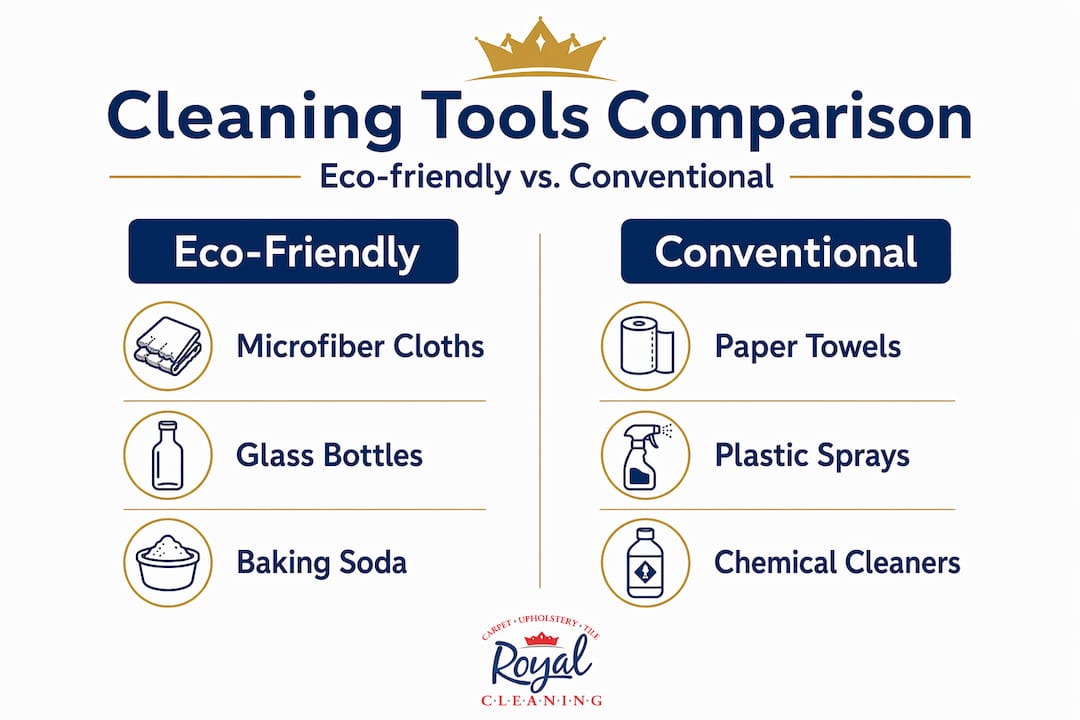
Beyond ingredients, your tools matter just as much. A set of microfiber cloths, several glass spray bottles, and a sturdy scrub brush round out your kit. Label every bottle clearly and store all solutions out of reach of children.
| Tool | Purpose | Approximate cost |
|---|---|---|
| Microfiber cloths (6-pack) | Trap dust and bacteria without chemicals | $10 to $15 |
| Glass spray bottles (3-pack) | Store and apply DIY solutions safely | $8 to $12 |
| Scrub brush | Provide mechanical action on tough grime | $4 to $8 |
| White vinegar (gallon) | Multi-purpose cleaning base | $4 to $6 |
| Baking soda (large box) | Scrubbing and odor control | $3 to $5 |
Pro Tip: Label each spray bottle with the recipe, date mixed, and surfaces it is safe to use on. This prevents mix-ups and reminds you when to mix a fresh batch.
DIY eco-friendly cleaning recipes that actually work
Making your own natural cleaning solutions takes about five minutes and costs pennies per batch. The recipes below cover the most common household areas.
-
All-purpose cleaner: Mix one cup of water, one cup of white vinegar, and 15 drops of tea tree or lemon essential oil in a spray bottle. Use on countertops, sinks, appliances, and most hard surfaces.
-
Bathroom scrub: Combine half a cup of baking soda with enough castile soap to form a paste. Apply with a scrub brush on tubs, toilets, and tile. Rinse thoroughly.
-
Kitchen degreaser: Mix two cups of warm water, one tablespoon of castile soap, and 10 drops of orange essential oil. Spray on stovetop grime and wipe away with a microfiber cloth.
-
Glass cleaner: Combine one cup of water, one cup of rubbing alcohol, and one tablespoon of white vinegar. This leaves windows streak-free and dries fast.
-
Grout cleaner: Make a thick paste of baking soda and water. Apply to grout lines, let it sit for 10 minutes, then scrub with a stiff brush. For tougher stains, check out upholstery and grout cleaning for professional options.
-
Toilet bowl cleaner: Pour half a cup of baking soda into the bowl, follow with half a cup of white vinegar, and let it fizz for 10 minutes. Scrub and flush.
-
Drain freshener: Pour half a cup of baking soda down the drain, then add half a cup of vinegar. Cover the drain and wait five minutes before flushing with hot water.
One point many people miss: mixing vinegar and baking soda together in a spray bottle does not create a powerful cleaner. The acid-base reaction neutralizes both, leaving you with mostly saltwater. Use them separately for their individual strengths.
Most DIY solutions stay effective for two to four weeks when stored in a cool, dark place. Always shake before use, and check for any color or odor changes before applying to surfaces.
Pro Tip: Never use vinegar-based cleaners on natural stone countertops or floors. The acid will dull and etch the surface over time. Stick to diluted castile soap instead.
Techniques for better cleaning with less product
How you clean matters as much as what you clean with. Many people use far more product than necessary, which wastes money, increases rinsing time, and puts more residue into waterways.

Microfiber cloths used damp reduce the need for any cleaning solution by 50 to 70%. The tiny fibers physically trap dust, bacteria, and grease rather than just spreading them around. Pair damp microfiber with a light mist of your all-purpose cleaner, and most surfaces come clean with a single pass.
Overusing product requires extra rinsing, which wastes water and creates more product runoff. The right amount is less than you think. A light mist across a standard countertop is usually enough. Let the solution dwell for 30 to 60 seconds before wiping so it has time to work.
Building a simple routine also reduces how much work each session requires:
- Daily tasks: Wipe down kitchen counters and stovetops, rinse the sink, and do a quick bathroom wipe-down. These take under 10 minutes but prevent buildup that requires heavier cleaning later.
- Weekly tasks: Mop floors, clean toilets, scrub the shower, and wipe down appliances. Rotate in glass cleaning and grout maintenance as needed.
- Monthly tasks: Deep-clean the oven, descale faucets with vinegar, and wash microfiber cloths at high temperature to restore their effectiveness.
For tough stains, the solution is usually patience and mechanical action rather than more product. Let a baking soda paste sit on a stain for 20 minutes before scrubbing. Repeat if needed. You can also find additional home cleaning tips for Albuquerque homeowners on the Royal Carpet and Tile Cleaning site.
Pro Tip: Wash microfiber cloths separately from cotton items and skip the fabric softener. Softener clogs the fibers and dramatically reduces their ability to trap particles.
Safety, certifications, and avoiding greenwashing
The word “green” on a label means nothing without verification. Plenty of products use vague claims like “natural,” “eco-friendly,” or “plant-based” without meeting any independent safety standards. This practice is called greenwashing, and it is widespread.
EPA Safer Choice and Green Seal certifications are the most reliable third-party labels to look for when buying commercial eco cleaning products. EPA Safer Choice reviews every ingredient in a product against health and environmental benchmarks. Green Seal evaluates the full product lifecycle, including packaging and manufacturing.
Here is what to look for when choosing genuinely safe and sustainable cleaning products:
- Third-party certifications: EPA Safer Choice, Green Seal, or EWG Verified on the label.
- Full ingredient disclosure: The manufacturer lists every ingredient, not just “fragrance” or “cleaning agents.”
- Biodegradable formulas: Non-toxic, biodegradable products reduce the load on waterways and wastewater treatment systems.
- Sustainable packaging: Refillable containers, recycled plastic, or concentrated formulas that reduce single-use bottle waste.
- Low or zero VOCs: Volatile organic compounds affect indoor air quality even in small amounts.
Pet and child safety also require extra attention with DIY recipes. Essential oils like tea tree and eucalyptus can cause serious reactions in cats due to phenols and terpenes. Keep pets out of freshly cleaned rooms until surfaces are fully dry, and consider fragrance-free recipes for homes with cats. For more guidance on keeping your home safe for your whole family, the eco-friendly safety guide from Royal Carpet and Tile Cleaning covers this in detail.
Remember: A product with a green label is not automatically safer. Trust certifications over marketing claims every time.
Troubleshooting common challenges
Switching to non-toxic cleaning methods comes with a learning curve. Here is how to work through the most common issues:
- Stains that don’t lift on the first try: Apply a baking soda paste, cover with a damp cloth, and let it sit for 20 to 30 minutes before scrubbing. Stubborn stains usually respond to longer dwell time rather than stronger product.
- Persistent odors: White vinegar neutralizes most odors as it dries. If a smell lingers, try sprinkling baking soda on the area, letting it sit for an hour, then vacuuming or wiping away.
- Surfaces that need actual disinfection: Vinegar is not a broad-spectrum disinfectant. It achieves less than a 3 log10 reduction in pathogens and will not reliably kill bacteria like S. aureus or E. coli. For high-touch areas or after illness, use 3% hydrogen peroxide for disinfection or an ethanol-based spray instead.
- Residue or streaking on surfaces: You may be using too much product. Reduce the amount, buff dry with a clean microfiber cloth, and the streaking typically disappears.
- Slow results compared to chemical cleaners: Natural products generally need more contact time and more scrubbing. Give your solutions 60 seconds to work before wiping, and invest in a good scrub brush for textured surfaces.
The adjustment period is real, but most people settle into a routine within two to three weeks. Once the muscle memory is there, environmentally safe cleaning actually becomes faster because your toolkit is simpler.
My take on switching to green cleaning
I’ve seen a lot of homeowners come into eco-friendly cleaning expecting it to be a downgrade. They try a vinegar spray once, find it doesn’t cut through a greasy stovetop on the first pass, and go straight back to the chemical cleaner. What I’ve learned over the years is that the problem is almost never the recipe. It’s the technique.
Mechanical action is the real workhorse here. The cleaning tool choice matters more than chemical strength in most household situations. A quality microfiber cloth and 30 seconds of actual scrubbing beats a strong chemical spray used with a quick wipe every time.
In my experience, the biggest wins come from consistency, not intensity. Short daily wipe-downs prevent the kind of buildup that makes people reach for harsh products in frustration. When I started keeping a spray bottle of all-purpose cleaner on the kitchen counter and wiping down surfaces every evening, my weekly cleaning sessions became half as long.
The cost savings surprised me too. You genuinely do save over $200 a year once you stop buying specialty products for every surface. And the air quality difference in a home cleaned with natural solutions versus commercial sprays is noticeable, especially in smaller bathrooms and kitchens with limited ventilation.
My honest advice: start with one area, get comfortable, then expand. You don’t have to overhaul everything at once. The transition is gradual, and that’s a feature, not a problem.
— Bernadette
When professional cleaning takes over from DIY
DIY eco-friendly cleaning handles day-to-day maintenance well, but some jobs are beyond what a spray bottle and microfiber cloth can do. Carpets, upholstery, tile grout, and air ducts accumulate deeply embedded dirt, allergens, and bacteria over time. These require professional-grade extraction equipment and certified cleaning solutions to address properly.
Royal Carpet and Tile Cleaning offers professional carpet cleaning in Albuquerque and Rio Rancho using eco-friendly disinfectant options that protect your indoor air quality. The team also handles upholstery cleaning for furniture that sees daily wear, as well as tile and grout cleaning for surfaces that resist even the best DIY scrubbing. If you want a deeper clean on the areas your home routine can’t fully reach, Royal Carpet and Tile Cleaning’s local, transparent service is worth a conversation.
FAQ
What are the most effective eco-friendly cleaning methods at home?
White vinegar, baking soda, castile soap, and essential oils cover roughly 90% of household cleaning tasks. Pairing these with microfiber cloths and proper scrubbing technique produces results comparable to most commercial cleaners.
Can natural cleaners actually disinfect surfaces?
Vinegar cleans and deodorizes but does not meet disinfection standards for pathogens like E. coli or S. aureus. For genuine disinfection, use 3% hydrogen peroxide or an ethanol-based spray on high-touch surfaces.
How do I know if a store-bought green cleaner is actually safe?
Look for third-party certifications like EPA Safer Choice, Green Seal, or EWG Verified. These programs independently verify ingredients and environmental impact, so you’re not relying on marketing claims alone.
Are essential oils safe to use in DIY cleaners around pets?
Essential oils like tea tree and eucalyptus can be toxic to cats due to phenols and terpenes. Use fragrance-free recipes in homes with cats, and keep all pets out of freshly cleaned areas until surfaces are completely dry.
How much can I realistically save by switching to DIY eco-friendly cleaners?
A starter kit of core ingredients costs under $40 and can replace most commercial products you currently buy. Most households save over $200 per year once they replace specialty cleaners with homemade alternatives.