(505) 280-5216
Dirty Grout Got You Down? Here’s the Best Way to Clean Bathroom Floor Grout
Best way to clean bathroom floor grout: 3 Amazing Tips
Why Clean Bathroom Floor Grout Matters More Than You Think
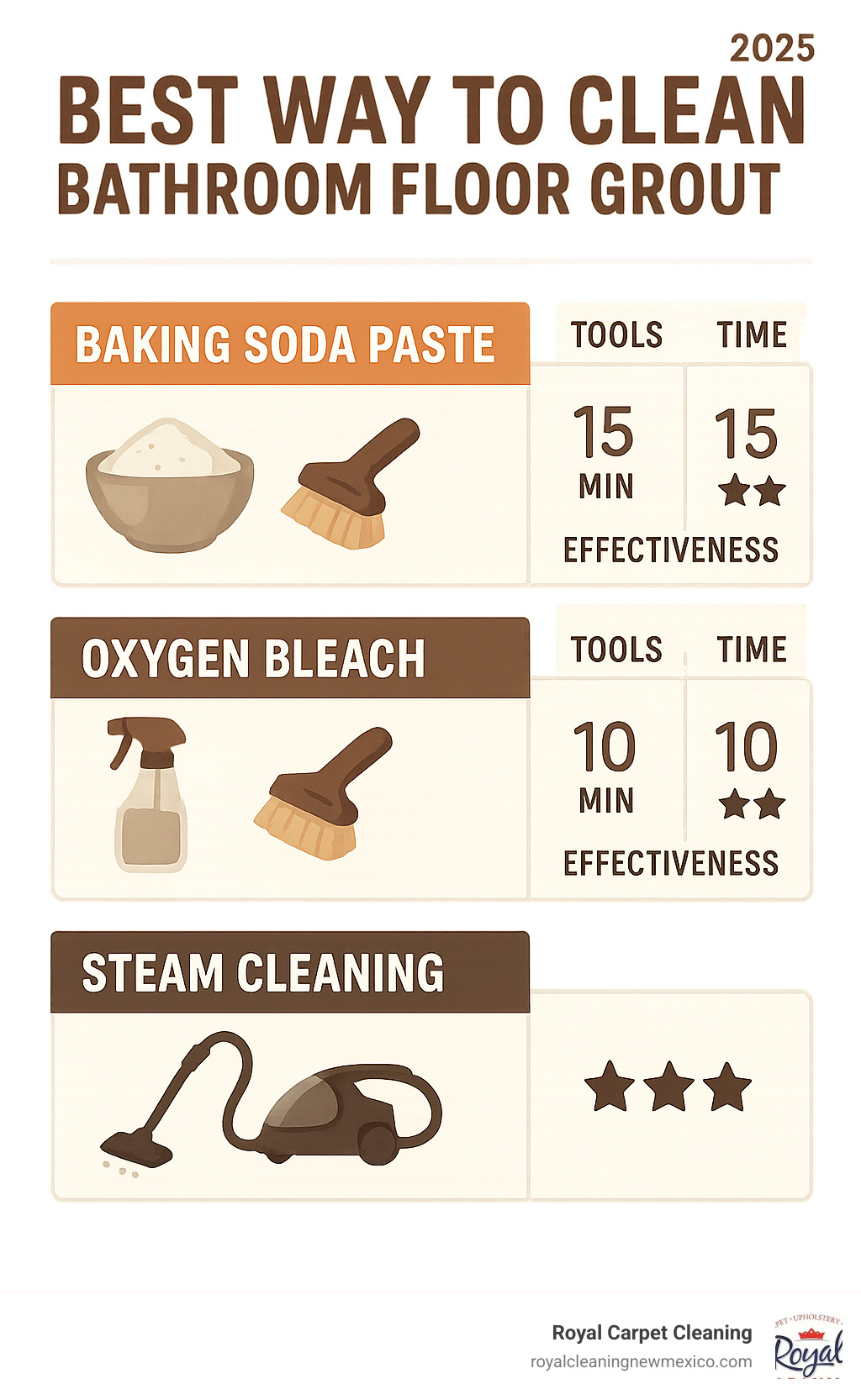
The best way to clean bathroom floor grout depends on the level of dirt, but these are the top methods that work:
Quick Answer – Best Grout Cleaning Methods:
- Light dirt: Baking soda paste (2 parts baking soda, 1 part hydrogen peroxide, dish soap)
- Tough stains: Oxygen bleach solution (2 tbsp in 2 cups warm water)
- Chemical-free: Steam cleaning
- Commercial: Zep Grout Cleaner & Brightener
Grout is a porous material that collects dirt, soap scum, and moisture, becoming a breeding ground for mold and bacteria. Using the wrong cleaning method can cause more harm than good. Harsh chemicals like vinegar can damage unsealed grout, while chlorine bleach can ruin colored grout.
The good news is that the right approach can restore your grout to its original color without hours of back-breaking scrubbing or causing damage.
This guide will show you the most effective methods to find the best way to clean bathroom floor grout in your home.
What You Need to Know Before You Start
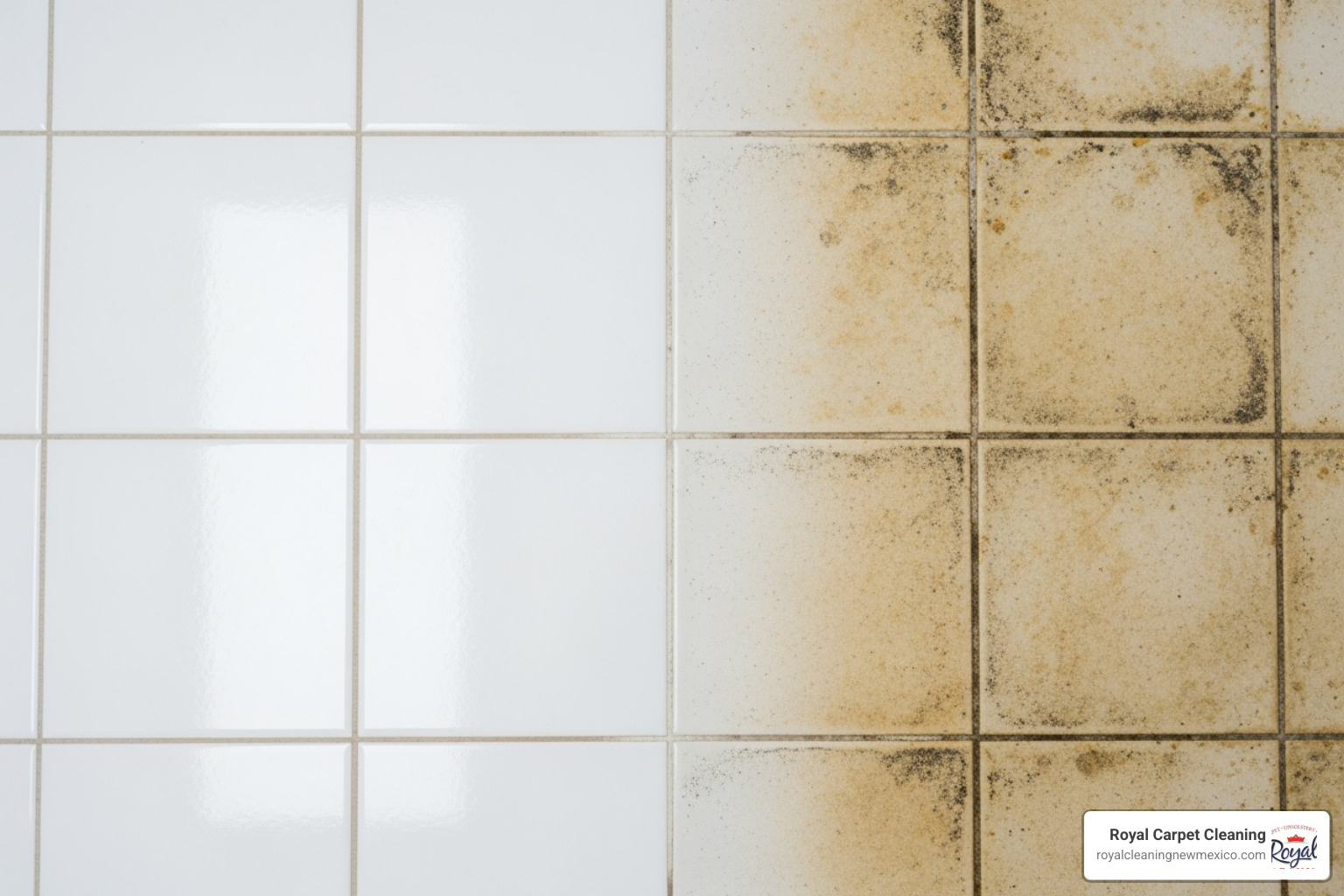
Because grout is porous, it easily soaks up soap scum and dirty water, leading to discoloration and mildew. Before you start cleaning, it’s crucial to identify your grout and tile type to avoid permanent damage. Using the right tools and safety precautions will make the job safer and more effective.
Understanding Your Grout and Tile
Your cleaning strategy must match your materials. There are three main grout types:
- Sanded Grout: Contains sand for strength. Used for wider grout lines (1/8 inch or more).
- Unsanded Grout: Smoother finish. Used for thinner joints, often on walls.
- Epoxy Grout: A premium, non-porous option that resists stains and water.
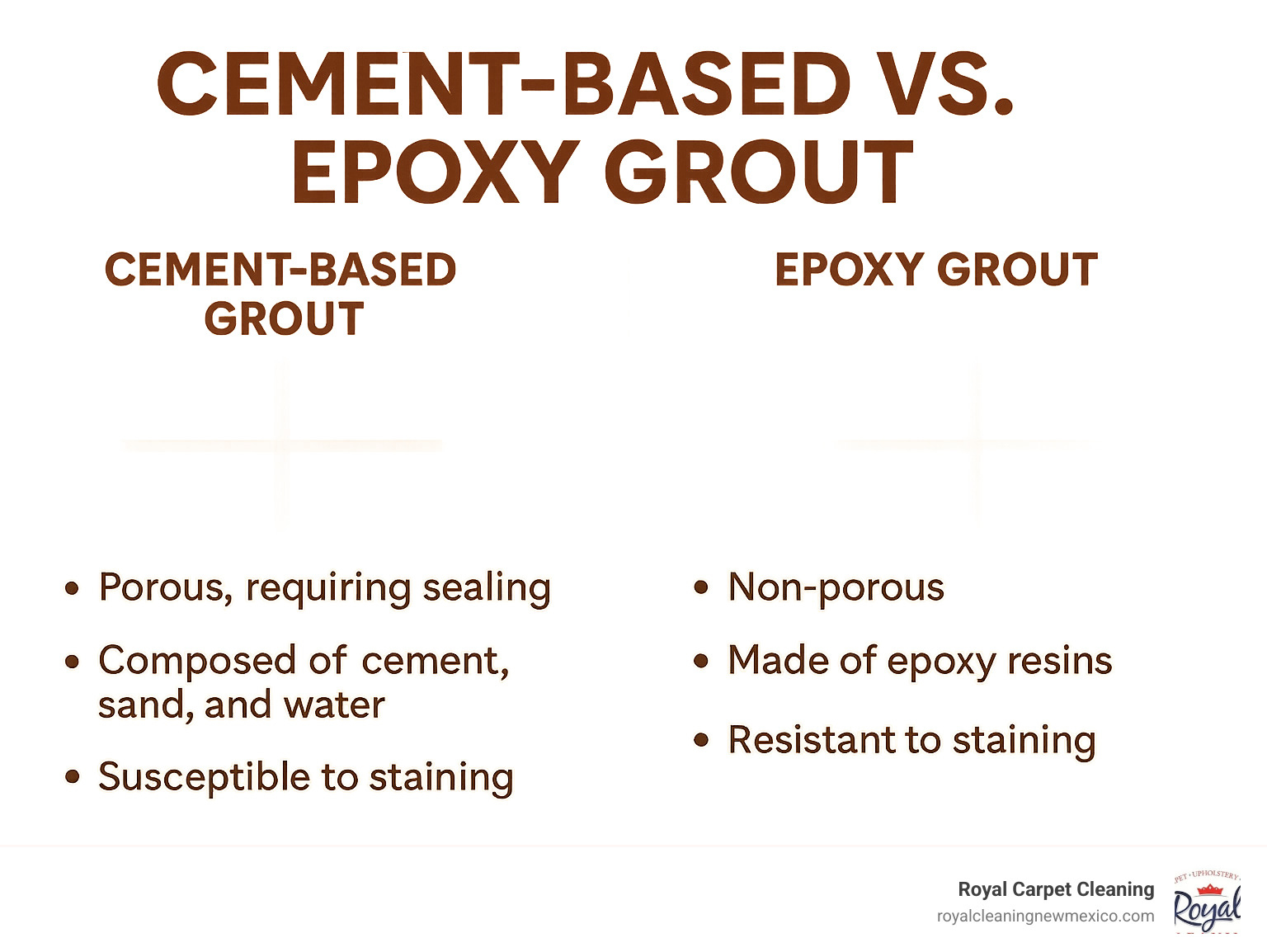
Your tile material is also important. Ceramic and porcelain tiles are durable and can handle most cleaners. However, natural stone like marble or travertine is sensitive to acidic cleaners like vinegar, which can cause permanent dull spots or etching. Avoid using acidic cleaners on unsealed cement-based grout as well, as they can weaken it over time.
Gathering Your Cleaning Arsenal
Having the right tools makes the job faster and more effective. Here’s what you’ll need:
- Essential Tools: A stiff-bristled grout brush, microfiber cloths, a spray bottle, rubber gloves, and safety goggles.
- Key Ingredients: Baking soda (a gentle abrasive), hydrogen peroxide (a natural whitener), and oxygen bleach (for tough, set-in stains).
Comparing the Top Grout Cleaning Methods
The best cleaning method depends on your grout’s condition. Here are three effective approaches, from a simple DIY paste to heavy-duty steam cleaning.
The Best Way to Clean Bathroom Floor Grout with a DIY Paste
For everyday grime, a homemade paste is the best way to clean bathroom floor grout affordably. It’s effective for light-to-moderate dirt and is safe for most grout types.
- Create the Paste: Mix 2 parts baking soda, 1 part hydrogen peroxide, and a few drops of dish soap.
- Apply and Wait: Spread the paste on grout lines and let it sit for 10 minutes.
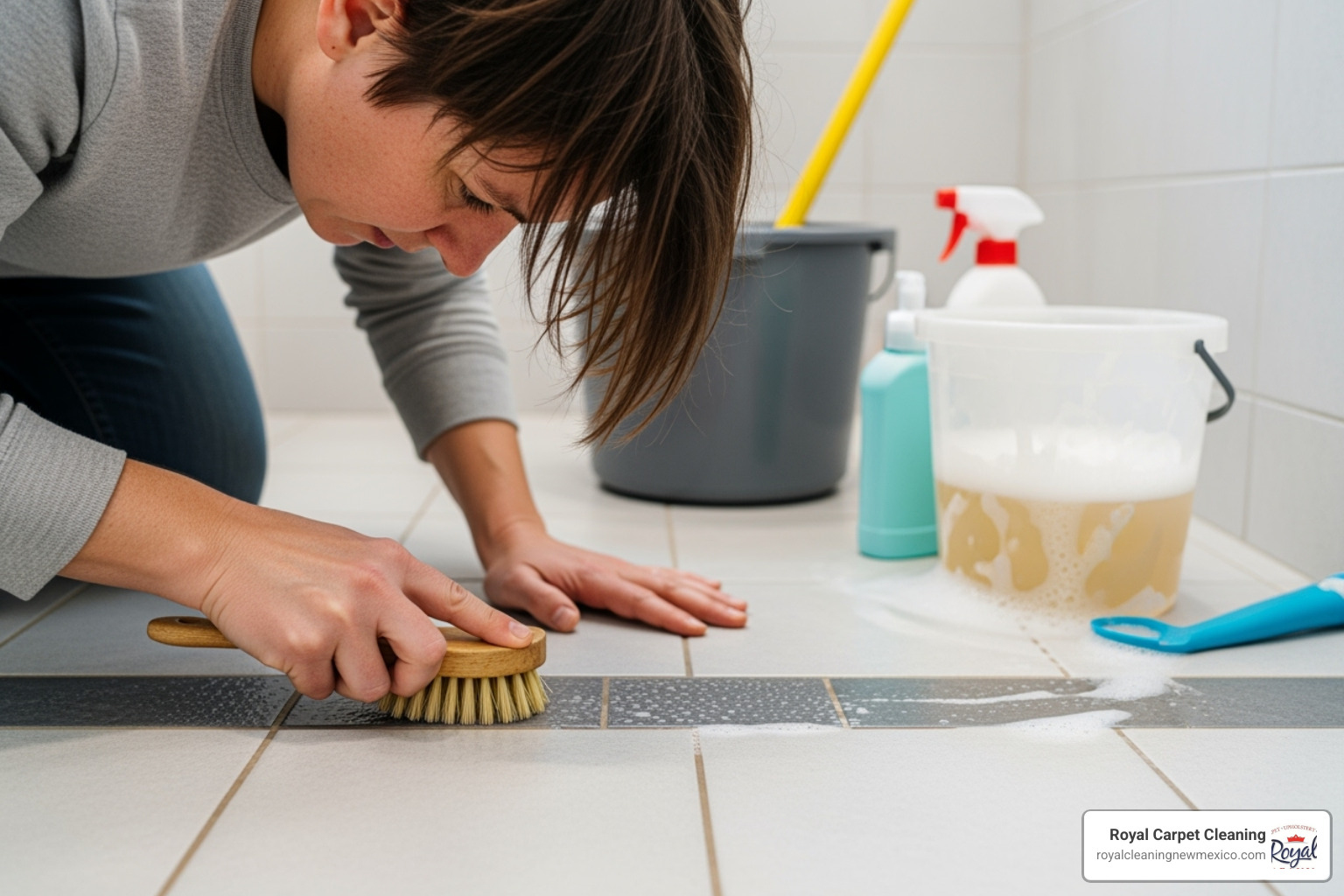
- Scrub and Rinse: Use a stiff-bristled grout brush to scrub the lines, then rinse thoroughly with warm water.
Tackling Tough Stains with Oxygen Bleach
For deep-set stains, oxygen bleach offers a powerful whitening effect without harming colored grout.
- Mix the Solution: Dissolve 2 tablespoons of oxygen bleach powder in 2 cups of warm water. Always test on a small, hidden area first.
- Apply and Dwell: Apply the solution to the grout and let it sit for 15-20 minutes (up to 30 for very tough stains).
- Scrub and Rinse: Lightly scrub the stains away and rinse the area completely with clean water.
Note: Oxygen bleach can remove grout sealant, so you will need to reseal your grout after cleaning.
The Best Way to Clean Bathroom Floor Grout Using Steam
Steam cleaning is a chemical-free method that uses high-temperature steam to sanitize and loosen grime with minimal scrubbing.
- Prepare the Steamer: Fill your steam cleaner and attach the grout brush nozzle.
- Apply Steam: Guide the nozzle slowly along the grout lines, allowing the steam to penetrate and lift the dirt.
- Wipe Clean: Use a microfiber cloth to wipe away the loosened grime. No rinsing is required.
Like oxygen bleach, steam can remove grout sealant, so plan to reseal your grout afterward.
Keeping Grout Clean and When to Call the Pros
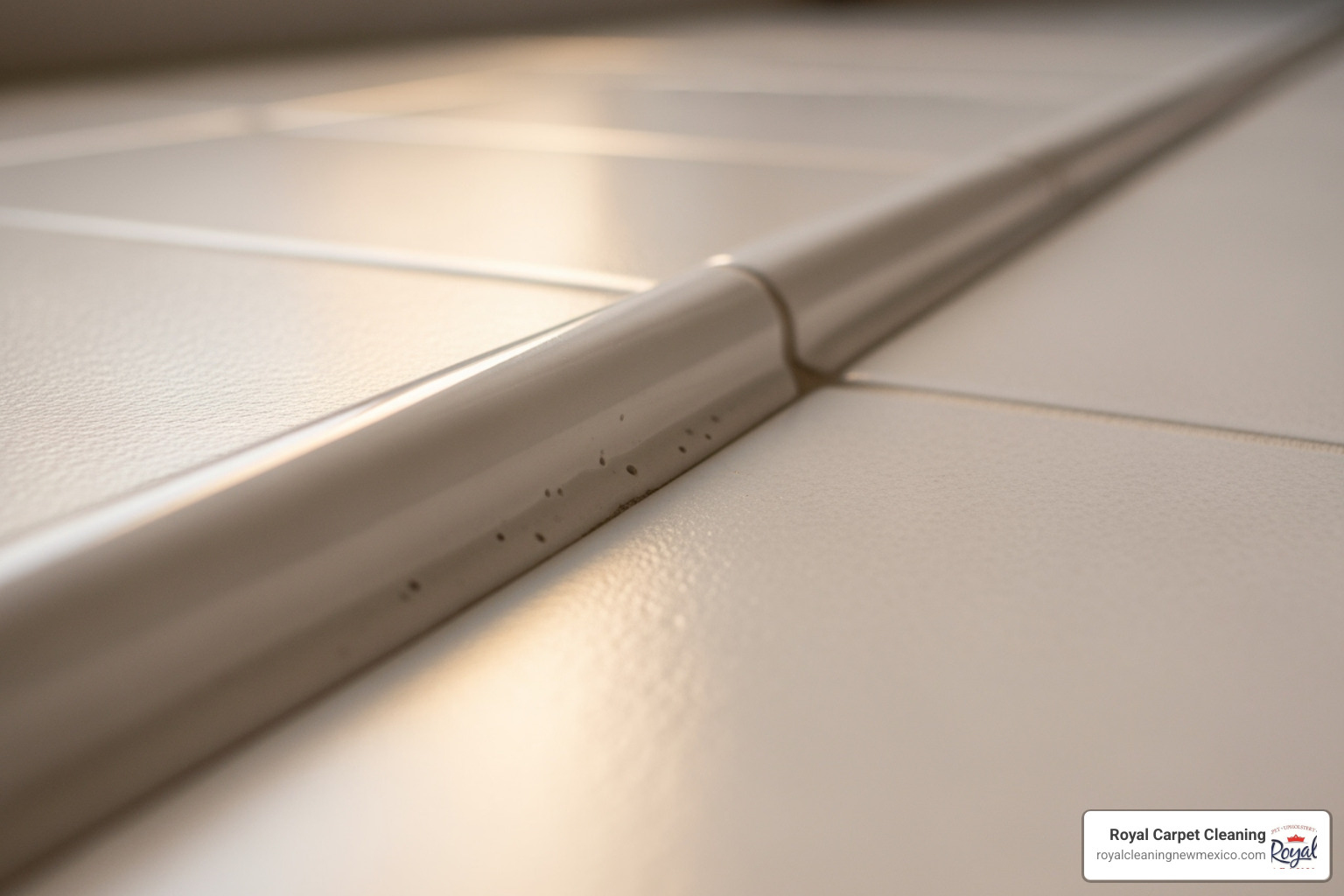
Once your grout is clean, prevention is key to keeping it that way. A little maintenance goes a long way in avoiding another deep-cleaning marathon.
How to Prevent Grout From Getting Dirty
- Seal Your Grout: This is the most important step. Apply an impregnator sealer annually to create a barrier that repels moisture and stains. Ensure grout is completely dry (wait 24 hours after cleaning) before sealing.
- Perform Regular Maintenance: Wipe up spills immediately, sweep or vacuum frequently, and use a squeegee on shower walls to reduce moisture buildup.
- Switch to Liquid Soap: Bar soap often contains talc or fats that contribute to soap scum. Switching to a liquid body wash can significantly reduce this buildup.
Cleaning Frequency and Professional Solutions
For most bathrooms, a quick weekly wipe-down and a more thorough monthly cleaning will prevent major buildup. However, some jobs are best left to professionals.
Consider calling a pro if you have:
- Widespread discoloration that DIY methods can’t fix.
- Stubborn stains that keep returning.
- Crumbling or damaged grout.
Professionals use specialized equipment and pH-balanced solutions to safely extract deeply embedded dirt that home methods miss. They can also apply professional-grade sealants for longer-lasting protection.