(505) 280-5216
Annual Home Maintenance Steps: Your Year-Round Guide
TL;DR:
- Performing annual home maintenance tasks ensures safety, prevents costly emergencies, and maintains property value. Organizing tasks seasonally with proper tools and documentation supports proactive care, saving money and reducing repair risks. Treat your home like a managed asset by scheduling professional services, tracking records, and using triggers rather than just calendar dates for upkeep.
Annual home maintenance steps are the scheduled, proactive tasks every homeowner and property manager should complete each year to protect property value, prevent system failures, and keep occupants safe. Skipping these tasks does not save time. It defers costs into far more expensive emergencies. Proactive upkeep prevents failures costing five to ten times more than the original maintenance expense. This guide covers the core tasks, how to schedule them by season, the tools that keep your workflow consistent, and the real financial case for preventive home care.
What are the core annual home maintenance tasks every property needs?
A structured home upkeep checklist starts with the systems most likely to cause expensive or dangerous failures when neglected. These are not optional tasks. They are the foundation of any responsible property care plan.
The highest-priority items, according to gutter cleaning and HVAC servicing data, are the tasks that directly affect structural integrity, air quality, and life safety. Here is what belongs on every annual list:
- Roof inspection: Check for damaged or missing shingles, flashing failures, and signs of water intrusion around chimneys and vents. Catching a small leak early costs hundreds. Ignoring it can cost tens of thousands in structural repairs.
- HVAC professional servicing: Schedule a certified technician to clean coils, check refrigerant levels, and inspect ductwork. HVAC tune-ups cost $80 to $150 on average, a fraction of a full system replacement.
- Water heater flushing: Sediment builds up in tank-style heaters and reduces efficiency. Flush the tank and inspect the anode rod annually to extend the unit’s lifespan by several years.
- Foundation and exterior inspection: Walk the perimeter and look for cracks in the foundation, gaps around windows and doors, and signs of water pooling near the structure.
- Smoke and carbon monoxide detector testing: Smoke detectors last approximately 10 years, and CO detectors last five to ten years. Test both monthly and replace batteries annually at minimum.
- Gutter and downspout cleaning: Clean gutters at least twice per year. Clogged gutters force water against your fascia boards and foundation, two of the most expensive repairs a homeowner faces.
- Fire extinguisher inspection: Check the pressure gauge, inspect for corrosion, and confirm the pin and tamper seal are intact. Replace or recharge any unit that fails inspection.
Pro Tip: Schedule your roof and gutter inspection on the same day each fall. Combining them into one visit from a single contractor saves time and often reduces the service fee.
How to organize annual maintenance tasks by season
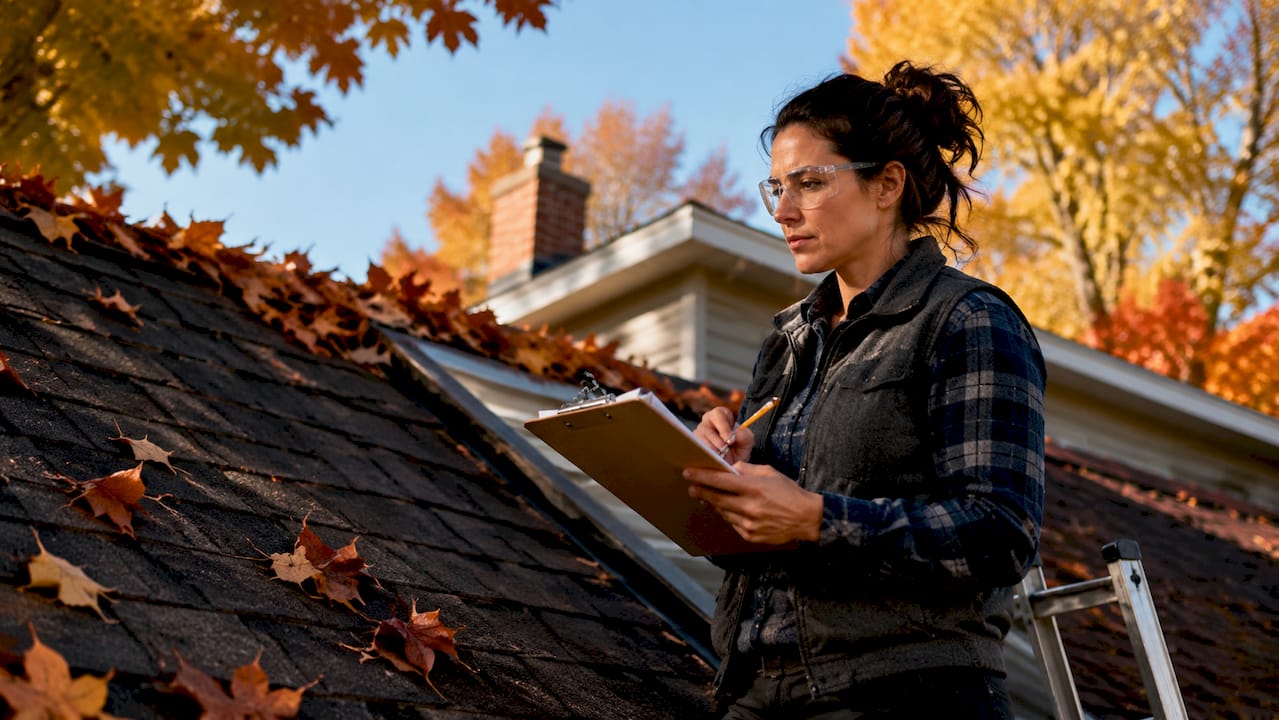
Grouping your yearly home repair tips by season makes the workflow manageable and environmentally logical. An AC tune-up makes no sense in November. A furnace inspection in July misses the point. Layering tasks by season prevents oversight and improves consistency across the full year.
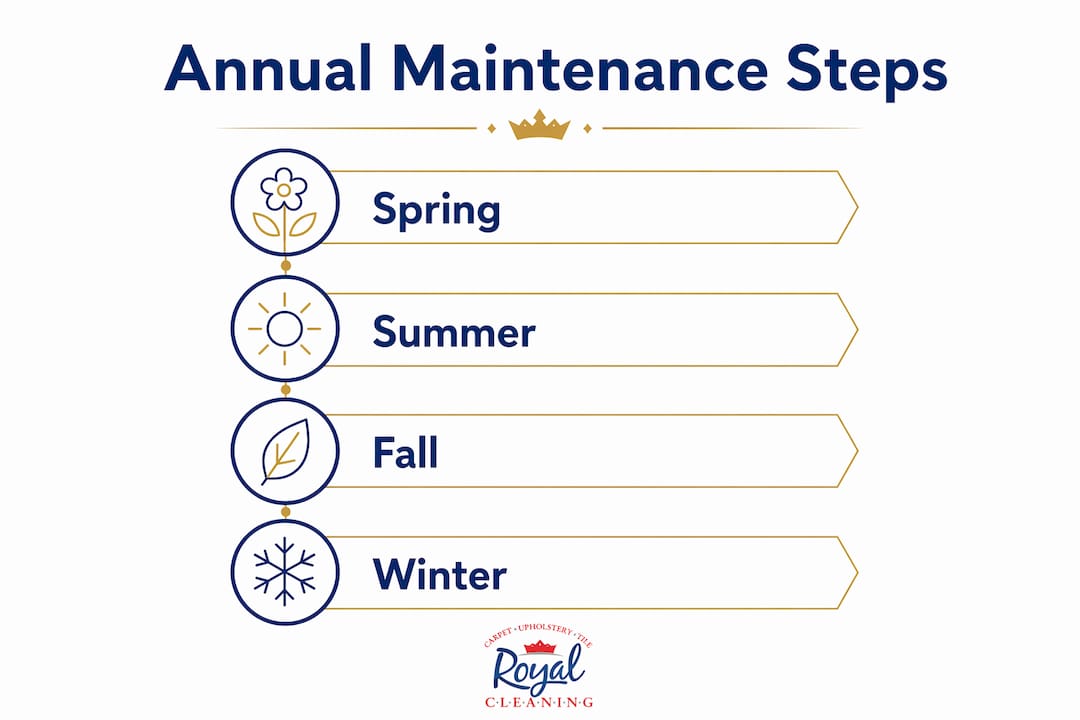
The table below maps the most critical tasks to their optimal season:
| Season | Priority tasks | Why this timing works |
|---|---|---|
| Spring | Roof inspection, gutter cleaning, AC tune-up, exterior caulking | Post-winter damage assessment before summer heat stress |
| Summer | Dryer vent cleaning, attic inspection, window and door seals | High-use appliance check and ventilation before peak heat |
| Fall | Furnace servicing, insulation check, chimney inspection, gutter cleaning | Pre-heating season readiness before cold weather arrives |
| Winter | Pipe insulation check, sump pump test, weatherstripping review | Freeze prevention and moisture management during cold months |
Anchoring tasks to seasonal events rather than fixed calendar dates also reduces decision fatigue. Linking maintenance to environmental triggers such as “when the first frost advisory is issued” or “when you switch the thermostat to AC” is more reliable than a generic date reminder. Your environment tells you when the time is right.
Pro Tip: Use Google Calendar or a free app like HomeZada to set recurring seasonal reminders one to two weeks before each season’s tasks are due. This gives you time to book contractors before their schedules fill up.
What tools and tracking methods support a consistent maintenance workflow?
A regular home maintenance workflow only stays consistent when it is documented. Memory is not a reliable system for managing a property. A written or digital maintenance tracker with dates, costs, and receipts transforms your home into a managed asset rather than a collection of deferred problems.
Here is how to build a tracking system that actually works:
- Create a maintenance log. Use a spreadsheet, a dedicated app like Centriq or HomeZada, or even a physical binder. Record every completed task with the date, contractor name, cost, and any notes about the system’s condition.
- Track manufacturer warranties and system lifespans. Your HVAC unit has a rated lifespan. So does your water heater, roof, and dishwasher. Knowing these timelines lets you budget for replacements before they become emergencies.
- Store receipts and photos. Documenting tasks with photos and receipts builds a record that supports insurance claims and increases resale value. Buyers and adjusters both respond to documented proof of care.
- Run a monthly 10-minute review. On the first of each month, open your maintenance log and check what is coming due. This monthly rhythm prevents backlog and is the single habit that separates proactive homeowners from reactive ones.
- Link tasks to environmental triggers. Rather than relying on a date you might ignore, tie tasks to observable events. “Inspect the dryer vent when you notice longer drying times” is a trigger you cannot miss.
The documentation habit also pays off at resale. Buyers who receive a complete maintenance history with receipts and service records gain confidence in the property. That confidence translates directly into stronger offers and fewer negotiated concessions.
- Keep digital copies of all receipts in a cloud folder labeled by year and system.
- Photograph any visible damage before and after repairs for insurance purposes.
- Note the name and contact information of every contractor you use for future reference.
How does preventive home care reduce long-term repair costs?
Preventive home care is the practice of addressing small issues before they become system failures. The financial case is straightforward. Homeowners with structured maintenance plans spend $2,000 to $4,000 annually, while reactive repair costs run three to five times higher for the same systems.
The safety case is equally clear:
- Poor air quality: Dirty HVAC filters and neglected air ducts circulate allergens, dust mites, and mold spores throughout your home. Annual servicing and seasonal cleaning for air quality directly reduce respiratory health risks.
- Fire hazards: Clogged dryer vents are a leading cause of residential fires. Lint buildup in the vent line restricts airflow and creates a combustion risk that grows with every load of laundry.
- Structural damage from water: Neglected gutters push water against your foundation and fascia. Over time, this causes wood rot, mold growth, and foundation cracking. The repair bill for foundation work routinely exceeds $10,000.
- Energy inefficiency: A water heater coated in sediment works harder and uses more energy. An HVAC system with dirty coils loses efficiency. Regular inspections reduce risks and measurably improve home comfort and utility costs.
“Proactive maintenance acts like a health check-up for your home. You are not fixing problems. You are preventing them from forming in the first place.”
The total annual time investment for a well-organized maintenance plan is approximately 20 hours per year. That includes scheduling, DIY tasks, and time spent coordinating professional services. Spread across 52 weeks, that is less than 25 minutes per week to protect what is likely your largest financial asset.
Key takeaways
A structured annual maintenance plan is the most cost-effective way to protect your home’s safety, efficiency, and long-term value.
| Point | Details |
|---|---|
| Prioritize safety systems first | Test smoke and CO detectors, inspect fire extinguishers, and service HVAC every year without exception. |
| Use seasonal scheduling | Group tasks by spring, summer, fall, and winter to match environmental conditions and improve timing. |
| Document everything | Log dates, costs, and receipts to support insurance claims, resale value, and future scheduling. |
| Anchor tasks to triggers | Link maintenance to observable events rather than calendar dates to reduce procrastination. |
| Preventive care saves money | Structured upkeep costs $2,000 to $4,000 annually versus reactive repairs that run three to five times higher. |
Why I treat home maintenance like a professional system, not a chore list
I have seen the same pattern repeat itself with homeowners who struggle to stay consistent. They treat maintenance as a list of chores to get through when they have time. Time never appears. The list grows. Then a furnace fails in January or a roof leak appears during a rainstorm, and suddenly they are paying emergency rates for work that a $150 annual service call would have prevented.
The shift that actually works is treating your home like a managed property, not a personal project. That means scheduled reviews, documented records, and professional services booked in advance rather than called in a panic. Overcoming procrastination through scheduled systems is the behavioral change that separates homeowners who protect their investment from those who slowly lose it.
My strongest advice: do not try to do everything yourself. Know which tasks are DIY-appropriate and which require a licensed professional. Roof inspections, HVAC servicing, and electrical checks belong in the hands of certified technicians. Gutter cleaning, detector testing, and caulking are tasks most homeowners can handle confidently. The goal is a system you will actually follow, not a perfect plan you abandon by February.
— Bernadette
How professional cleaning fits into your annual home maintenance plan
Several annual home maintenance steps go beyond tools and inspections. Indoor air quality, carpet condition, and appliance safety all depend on professional cleaning services that most homeowners overlook until a problem is visible. Royal Carpet and Tile Cleaning offers professional air duct cleaning that removes allergens and improves HVAC efficiency, directly supporting your annual HVAC maintenance goals. Their dryer vent cleaning service reduces fire risk and restores appliance performance. For flooring and furniture, expert carpet cleaning in Albuquerque and Rio Rancho extends material life and maintains a healthy indoor environment. Scheduling these services alongside your DIY checklist creates a complete, year-round maintenance plan.
FAQ
What are the most important annual home maintenance steps?
The highest-priority tasks are HVAC servicing, roof inspection, gutter cleaning, water heater flushing, and testing smoke and carbon monoxide detectors. These systems directly affect safety, structural integrity, and energy efficiency.
How much should I budget for annual home maintenance?
Budget one to four percent of your home’s value per year for maintenance. Homeowners with structured plans typically spend $2,000 to $4,000 annually, which is significantly less than the cost of reactive emergency repairs.
When is the best time to schedule a home maintenance checklist?
Organize tasks by season: spring for post-winter repairs, summer for ventilation and appliance checks, fall for heating system prep, and winter for freeze prevention. Anchoring tasks to seasonal cues improves timing and consistency.
How do I track completed home maintenance tasks?
Use a digital app like HomeZada or Centriq, or maintain a simple spreadsheet with task dates, contractor names, costs, and receipts. A monthly 10-minute log review prevents backlogs and keeps your schedule on track.
Does home maintenance documentation affect resale value?
Yes. A complete maintenance history with receipts and service records builds buyer confidence and supports stronger offers. It also provides documented evidence for insurance claims when damage occurs.