(505) 280-5216
Air Duct Inspection Frequency Guide for Homeowners
TL;DR:
- Homeowners should inspect their air ducts every 1 to 2 years, especially if they have pets, allergies, or recent renovations. The EPA recommends cleaning only when visible mold, pests, or excessive debris are present, while industry experts advise inspections as a diagnostic tool before cleaning. Immediate inspections are necessary if dust, odors, mold, or pests are visible or causing health issues.
Air duct inspection frequency is the recommended schedule for evaluating duct cleanliness and system condition to protect indoor air quality and HVAC performance. NADCA recommends professional inspections every 1–2 years and cleaning every 3–5 years for most residential systems. The EPA takes a more reactive stance, advising cleaning only when visible mold, vermin, or excessive debris is present. Your home’s specific conditions, including pets, allergies, and recent renovations, determine where you fall within that range. This air duct inspection frequency guide helps homeowners and property managers make confident, evidence-based decisions.
1. Key factors that change how often you should inspect your air ducts
Not every home follows the same air duct maintenance schedule. Several household conditions push inspection frequency closer to the shorter end of the recommended range.
- Pets that shed: Pet hair and dander accumulate in ductwork faster than most homeowners expect. Homes with pets should inspect and clean ducts every 2–3 years to maintain acceptable air quality.
- Allergy or asthma sufferers: Airborne allergens recirculate through ducts with every HVAC cycle. Residents with respiratory conditions benefit from inspections closer to the 12-month mark.
- Smokers in the home: Tobacco residue coats duct surfaces and degrades air quality for all occupants. This residue also accelerates filter clogging, which compounds the problem.
- Recent water damage or flooding: Moisture inside ductwork creates conditions for mold growth within days. Water damage or fire exposure warrants an immediate inspection, not a scheduled one.
- Recent renovations: Drywall dust and construction debris enter duct systems during remodeling work. Even a small renovation can deposit enough particulate to require cleaning before the next scheduled cycle.
- Unknown maintenance history: New homeowners should schedule a duct inspection within the first 6 months if the previous maintenance history is unknown. You cannot assume the prior owner followed any schedule at all.
Pro Tip: If two or more of these conditions apply to your home, treat your inspection interval as 12 months, not 24.
2. Recommended timelines from NADCA, the EPA, and industry experts
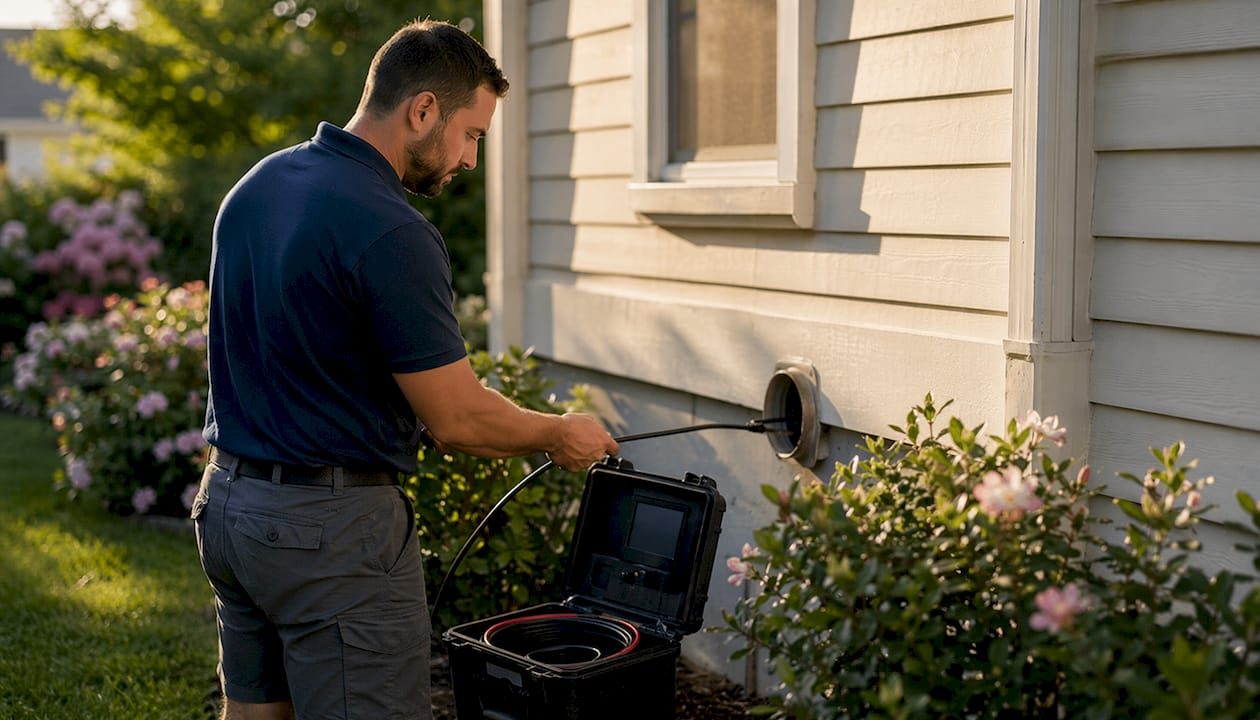
The two most referenced authorities on duct care take different approaches. Understanding both helps you build a schedule that is practical and defensible.
| Authority | Inspection Frequency | Cleaning Frequency | Approach |
|---|---|---|---|
| NADCA | Every 1–2 years | Every 3–5 years | Proactive, scheduled |
| EPA | As needed | Only when mold, vermin, or debris confirmed | Reactive, evidence-based |
| Industry experts | Annual with HVAC tune-up | Based on inspection findings | Inspection-first |
NADCA’s proactive model treats inspections as low-cost diagnostic visits. The goal is to catch problems before they affect air quality or system efficiency. Standard residential cleaning costs range from $450 to $1,000 and typically takes 3–4 hours for a standard home, so avoiding unnecessary cleanings has real financial value.
The EPA does not endorse routine calendar-based cleaning. The EPA’s position is that cleaning should happen only when visible mold, vermin infestation, or excessive debris releasing particles into the home is confirmed. That is a meaningful distinction. It means a clean home with good filters may not need cleaning for many years.
Industry experts align closest with NADCA but add one important nuance. They recommend treating the annual inspection as a diagnostic step, separate from any cleaning decision. This protects homeowners from bundled service upsells.
Pro Tip: Ask your technician for photographic documentation before agreeing to any cleaning. A reputable inspector will show you what they found, not just tell you.
3. Signs that call for an unscheduled duct inspection
Some conditions should not wait for your next scheduled check. These warning signs indicate that an immediate duct inspection is the right call, regardless of when you last had one done.
- Visible dust or debris from vents: Dust blowing out of supply vents when the HVAC system starts is a direct sign of contamination inside the ductwork. This is not normal and should not be ignored.
- Musty or stale odors: A recurring musty smell when the system runs often points to mold or microbial growth inside the ducts or on HVAC components. The odor tends to return quickly after airing out the home.
- Worsening allergy or asthma symptoms: If residents notice their symptoms worsen specifically when the HVAC is running, the duct system is a likely source. Multiple warning signs together strengthen the case for immediate inspection.
- Uneven heating or cooling: Rooms that are consistently too hot or too cold, without a zoning or insulation explanation, can indicate blockages or leaks in the duct system.
- Visible mold near vents: Mold growth around vent covers or on accessible HVAC components is a clear trigger for professional evaluation. Do not attempt to clean mold inside ductwork yourself.
- Pest activity in the home: Rodents and insects can enter and nest inside ductwork, especially in attics, basements, and crawl spaces. Pest evidence near vents warrants an inspection to assess damage and contamination.
You can learn more about what to watch for by reviewing signs homeowners miss before scheduling a service call.
4. How to build air duct care into your overall HVAC maintenance strategy
A duct inspection works best when it is part of a coordinated home maintenance plan, not a standalone event. Here is how to integrate it effectively.
-
Schedule your duct inspection alongside your annual HVAC tune-up. Most HVAC technicians check the blower assembly and evaporator coil during a tune-up. A proper duct inspection goes further, covering at least 10% of HVAC components using cameras or borescopes. Combining both visits saves time and gives you a complete picture of system health.
-
Coordinate filter changes with your inspection timing. A filter that is changed regularly reduces the volume of particulate that enters the duct system. If your filters are consistently overloaded between changes, that is a signal your ducts may be accumulating debris faster than expected.
-
Address moisture sources at the same time. Moisture is the primary driver of mold growth inside ductwork. Addressing moisture and filtration simultaneously prevents rapid contamination from returning after a cleaning.
-
Request photographic documentation from every professional inspection. Photographic evidence from a technician gives you a baseline record and protects you from being sold a cleaning you do not need. Keep these records with your home maintenance files.
-
Use the inspection-first approach before committing to cleaning. Industry experts caution against fixed-interval cleaning packages. An inspection that finds clean ducts saves you $450 to $1,000 and confirms your maintenance habits are working.
Coordinating these steps is easier with a clear plan. The duct maintenance schedule resource from Royal Carpet and Tile Cleaning walks through how to align filter changes, inspections, and cleanings into a single annual routine.
Key takeaways
The most defensible air duct inspection schedule combines NADCA’s proactive 1–2 year inspection cycle with the EPA’s evidence-based standard for cleaning, adjusted for your home’s specific risk factors.
| Point | Details |
|---|---|
| Standard inspection interval | NADCA recommends professional inspections every 1–2 years for most homes. |
| Cleaning is not always needed | The EPA supports cleaning only when mold, vermin, or debris is confirmed present. |
| High-risk homes inspect more often | Pets, smokers, allergy sufferers, and recent renovations shorten the inspection cycle. |
| Inspection before cleaning | Always get a documented inspection before agreeing to a duct cleaning service. |
| Integrate with HVAC maintenance | Pairing duct inspections with annual HVAC tune-ups gives you the most complete picture. |
What I’ve learned about navigating NADCA and EPA guidance as a homeowner
The tension between NADCA’s proactive schedule and the EPA’s reactive stance confuses a lot of homeowners. After years of working in this space, my honest view is that both are right, just for different situations.
NADCA’s 1–2 year inspection interval makes sense as a diagnostic habit. A quick inspection costs far less than a cleaning and gives you actual data about your system. The EPA’s caution about routine cleaning is also valid. Cleaning ducts that are not dirty does not improve air quality and can disturb settled debris if done carelessly.
Where I see homeowners get hurt is in the bundled service trap. A technician arrives for an inspection and immediately recommends a full cleaning without showing any evidence. Requesting pre-cleaning inspection reports is the single best thing you can do to protect yourself. If a company refuses to provide photos or documentation, that tells you something important.
My practical recommendation: inspect on a schedule, clean on evidence. If you have good filters, no pets, and no moisture issues, your ducts may look clean at the 3-year mark. If you have two dogs and a smoker in the house, do not wait for the 5-year mark to find out what is inside your ductwork. Adjust based on what the inspection actually shows, not what a marketing calendar says.
— Bernadette
Professional air duct services from Royal Carpet and Tile Cleaning
Royal Carpet and Tile Cleaning serves homeowners and property managers across Albuquerque and Rio Rancho with professional air duct inspections and cleaning that follow NADCA standards. Every service includes a thorough evaluation of your duct system before any cleaning recommendation is made.
If you are ready to schedule an inspection or want to understand what a professional evaluation covers, the air duct cleaning service page outlines the full process, including what Royal Carpet and Tile Cleaning checks, how long it takes, and what you can expect for your home’s indoor air quality. You can also review the benefits of duct cleaning to understand when a cleaning is genuinely worth the investment. Contact Royal Carpet and Tile Cleaning to book your inspection today.
FAQ
How often should air ducts be inspected?
NADCA recommends a professional air duct inspection every 1–2 years for most residential homes. Homes with pets, smokers, or allergy sufferers should inspect closer to the 12-month mark.
When does the EPA say air ducts need cleaning?
The EPA recommends cleaning only when visible mold, vermin infestation, or excessive debris releasing particles into the home is confirmed. Routine calendar-based cleaning is not supported by EPA guidance.
What are the signs I need an unscheduled duct inspection?
Visible dust from vents, musty odors when the HVAC runs, worsening allergy symptoms, uneven room temperatures, visible mold near vents, and pest activity all warrant an immediate inspection outside your regular schedule.
Should new homeowners inspect their air ducts right away?
New homeowners should schedule a duct inspection within the first 6 months if the previous maintenance history is unknown. You cannot confirm the condition of the system without a documented inspection.
How do I avoid paying for an unnecessary duct cleaning?
Request photographic documentation from your technician before agreeing to any cleaning. An inspection-first approach, separate from a bundled cleaning package, protects you from services you may not need.