(505) 280-5216
Advantages of Deep Cleaning Every Homeowner Should Know
TL;DR:
- Deep cleaning removes hidden biological contaminants like mold, bacteria, and dust mites that regular cleaning often misses. It significantly enhances indoor air quality, especially when paired with moisture control and source removal. Professional deep cleaning services effectively restore health, hygiene, and home longevity by targeting embedded pollutants and hard-to-reach areas.
Most people assume a weekly vacuum and wipe-down keeps their home genuinely clean. The truth is, regular cleaning leaves behind a surprising amount of biological contamination. The advantages of deep cleaning go well beyond a tidy appearance. They reach into the spaces where dust mites breed, mold spores settle, and allergens accumulate over months. If you live with allergy sufferers, young children, or anyone with a respiratory condition, understanding how deep cleaning improves health is one of the most useful things you can do for your household.
Table of Contents
- Key takeaways
- 1. Key health benefits of deep cleaning your home
- 2. How deep cleaning enhances indoor air quality
- 3. Deep cleaning benefits for home hygiene and maintenance
- 4. How deep cleaning impacts mental well-being and stress reduction
- 5. Comparison of deep cleaning vs. regular cleaning
- My honest take on deep cleaning and what most people get wrong
- Professional deep cleaning services for your home’s health
- FAQ
Key takeaways
| Point | Details |
|---|---|
| Deep cleaning targets hidden contaminants | Regular cleaning misses embedded allergens, bacteria, and mold in carpets, vents, and upholstery. |
| Source control is the top IAQ strategy | Removing pollutant reservoirs through deep cleaning is more effective than air purifiers alone. |
| Mental health benefits are real | A deeply cleaned home reduces stress and irritants that affect mood and comfort daily. |
| Moisture control must accompany cleaning | Deep cleaning mold without fixing the moisture source leads to recurring contamination. |
| Professional cleaning reaches more surfaces | Trained technicians access and treat areas most homeowners cannot clean effectively on their own. |
1. Key health benefits of deep cleaning your home
The most direct reason why deep cleaning is important comes down to what lives in your home without you seeing it. Biological pollutants indoors include mold, bacteria, dust mites, pollen, pet dander, viruses, cockroaches, and rodents. These are not rare or unusual findings. They are the standard conditions inside most homes that receive only routine surface cleaning.
Deep cleaning for allergen removal works because it physically extracts contaminants from the surfaces and materials where they accumulate. Carpets hold dust mite colonies. Upholstery traps pet dander. Grout lines harbor mold spores. None of these respond to a quick wipe or a pass of the vacuum.
The health impact is especially significant for sensitive groups. Children, elderly residents, and anyone managing asthma or seasonal allergies experience direct relief when allergen reservoirs are removed rather than just disturbed. Allergens in porous materials accumulate in areas missed by regular cleaning and affect both health and indoor air quality over time.
Key health benefits include:
- Reduction of dust mite populations in mattresses, carpets, and upholstered furniture
- Removal of pet dander embedded deep in fabric fibers
- Elimination of mold spores from bathroom grout, tile, and damp corners
- Decreased presence of airborne pollen that settles into soft surfaces
- Lower bacterial load on high-contact surfaces like doorknobs, light switches, and appliance handles
Pro Tip: When cleaning mold off hard surfaces, use a mild detergent and water rather than bleach. The EPA recommends detergent over biocides for standard mold removal, as harsh chemicals can introduce additional irritants into your home air.
2. How deep cleaning enhances indoor air quality
Understanding the impact of deep cleaning on indoor air quality starts with how the EPA frames the problem. The agency’s guidance on improving indoor air quality identifies three core strategies: source control, ventilation, and air cleaners. Deep cleaning falls squarely into the first and most important category.
Source control means removing the actual pollutant rather than diluting or filtering it. When you deep clean carpets, furniture, and vents, you pull out the contamination at the source. This matters because air cleaners alone often fail to improve indoor air quality when the contamination source remains in place. You can run an air purifier 24 hours a day, but if your carpet still holds two years of dust mite waste, your air quality stays compromised.
The table below shows how deep cleaning fits into the three-part IAQ framework:
| IAQ strategy | What it does | Deep cleaning’s role |
|---|---|---|
| Source control | Removes or reduces pollutants at origin | Extracts allergens, mold, bacteria from surfaces and fabrics |
| Ventilation | Dilutes indoor pollutants with fresh air | Deep cleaning reduces what ventilation has to manage |
| Air cleaners | Filters airborne particles | More effective when contamination sources are already removed |
Mold is a specific case worth highlighting. Mold control requires fixing moisture sources first. Deep cleaning removes existing mold contaminants from surfaces, but if the underlying dampness is not addressed, regrowth follows within days. Deep cleaning for better indoor air quality works best when paired with moisture control measures like fixing leaks, improving bathroom ventilation, and drying wet areas within 24 to 48 hours.
Pro Tip: Check your air duct system as part of any deep cleaning plan. Ducts accumulate dust, mold, and debris that your HVAC system then circulates through every room.
3. Deep cleaning benefits for home hygiene and maintenance
Beyond health, the deep cleaning benefits for homes extend to the physical condition of your property and its contents. Regular cleaning maintains surface appearance. Deep cleaning preserves the actual materials underneath.
Areas that receive attention during a deep clean include:
- Baseboards and door frames where dust and grease collect over months
- Window tracks that trap dead insects, dirt, and moisture
- HVAC vents and registers that distribute whatever accumulates inside them
- Upholstery and cushion seams where food particles and pet dander settle
- Tile and grout lines in kitchens and bathrooms where bacteria and mold thrive
- Behind and underneath appliances where grease and debris attract pests
Deep cleaning tasks targeting overlooked areas also serve a direct pest prevention function. Cockroaches and rodents are attracted to food residue and debris buildup in the areas most people never clean. Eliminating those food sources removes the conditions that allow infestations to begin.
There is also a real financial argument for thorough cleaning. Carpets that are professionally deep cleaned on a regular schedule last significantly longer than those cleaned only with surface vacuuming. The same applies to upholstered furniture, tile grout, and kitchen appliances. Deep cleaning removes the abrasive particles and biological buildup that break down materials over time.
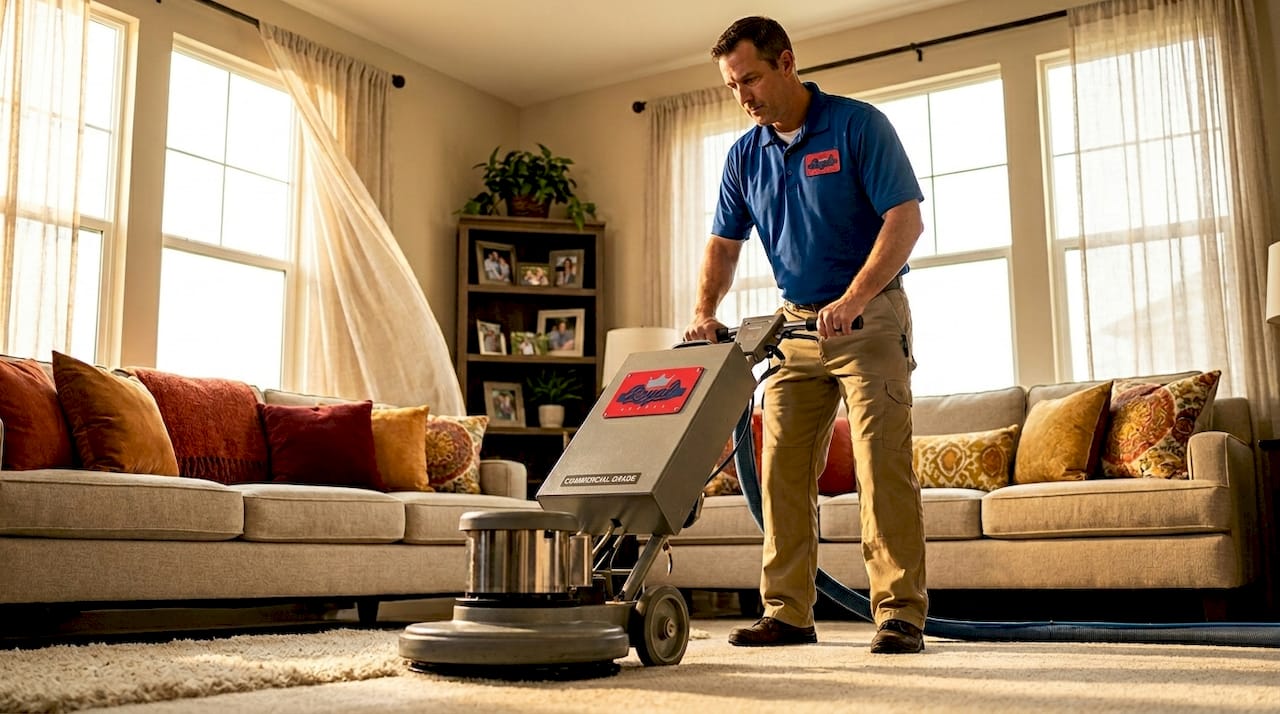
4. How deep cleaning impacts mental well-being and stress reduction
The connection between a clean home and mental health is direct and measurable. Cleaner home environments reduce stress, improve mood, and increase daily satisfaction for the people living in them. This is not simply about aesthetics. It is about the cumulative effect of irritants, odors, and visual clutter on your nervous system.
Allergens and odors are quiet irritants. You may not identify them as the cause of a persistent headache or disturbed sleep, but their presence affects how you feel. Removing those irritants through thorough cleaning for healthier homes produces a noticeable shift in how comfortable and at ease people feel in their own space.
“A home that smells and looks clean feels entirely different to live in. That shift in comfort translates to better focus, lower anxiety, and a sense of genuine control over your environment.”
There is also a psychological benefit tied to the act of deep cleaning itself. Completing a thorough clean produces a measurable sense of accomplishment. For renters especially, taking deliberate care of a space creates a stronger sense of ownership and pride in where you live. That psychological investment pays off in day-to-day well-being.
5. Comparison of deep cleaning vs. regular cleaning
Knowing the importance of thorough cleaning is easier when you see exactly what each approach covers and what it leaves behind.
| Category | Regular cleaning | Deep cleaning |
|---|---|---|
| Scope | Visible surfaces, floors, counters | Hidden areas, fabrics, vents, grout, appliances |
| Allergen removal | Minimal, disturbs but does not extract | Thorough extraction from carpets, upholstery, and hard surfaces |
| Bacteria and mold | Reduced on surfaces only | Removed from embedded and porous materials |
| Time required | 1 to 2 hours per session | 4 to 8 hours or more depending on home size |
| Frequency needed | Weekly to biweekly | Seasonally or 1 to 2 times per year |
| Impact on IAQ | Limited without source removal | Significant when combined with moisture control and ventilation |
The key takeaway from this comparison is scope. Regular cleaning is maintenance. Deep cleaning is restoration. You need both, but they serve fundamentally different purposes. If your home has never been deep cleaned, a single session will uncover just how much a routine clean leaves behind.
For homeowners who have recently moved in, dealt with pets, hosted guests for extended periods, or noticed persistent odors and allergy symptoms, scheduling a professional deep clean is the most direct way to reset your home’s hygiene baseline.
My honest take on deep cleaning and what most people get wrong
I have worked in and around professional cleaning long enough to know that the biggest misconception homeowners carry is this: if it smells fresh, it must be clean. That belief is wrong, and it costs people their health. A fresh scent can mask ongoing contamination from mold, bacteria, and allergen reservoirs that no surface cleaning has ever touched.
What I have seen repeatedly is that families dealing with unexplained allergy flares, persistent coughs, or disrupted sleep trace the problem back to carpets, upholstery, or ductwork that had not been deep cleaned in years. Once those reservoirs were treated, the symptoms improved. Not immediately, but within a few weeks.
The other mistake I see constantly, particularly among renters, is cleaning visible mold without fixing the moisture problem. You wipe the mold away. It comes back in two weeks. This is because moisture is the root cause, not the surface growth. Deep cleaning removes the contamination that is already there. But without addressing what feeds it, you are just buying time.
My honest recommendation is to deep clean at least twice a year and immediately after any water intrusion event. Pair every mold removal effort with a real fix for the moisture source. And stop measuring cleanliness by smell alone. Your nose is not a reliable detector for the biological contaminants that actually affect your health.
— Bernadette
Professional deep cleaning services for your home’s health
If you have been relying on routine cleaning alone, a professional deep clean is the most effective way to address what has built up over time.
Royal Carpet and Tile Cleaning offers residential deep cleaning services in Albuquerque and Rio Rancho with a focus on the areas that matter most for health and hygiene. From professional carpet cleaning that extracts embedded dust mites and allergens to upholstery cleaning that removes bacteria from fabric fibers, every service uses advanced equipment and eco-friendly disinfectant options. Tile, grout, air ducts, and dryer vents are also part of the service catalog. Professional cleaning removes what regular maintenance cannot reach, and it does so with the tools, training, and techniques that produce lasting results. Reach out to Royal Carpet and Tile Cleaning to schedule a cleaning that your home will actually feel.
FAQ
What are the main advantages of deep cleaning a home?
Deep cleaning removes allergens, bacteria, mold spores, and dust mite colonies from areas that regular cleaning never reaches. These include carpets, upholstery, grout, vents, and behind appliances, all of which directly affect your indoor air quality and health.
How often should you deep clean your house?
Most homes benefit from a thorough deep clean one to two times per year. Homes with pets, young children, allergy sufferers, or recent water damage may need it more frequently to maintain healthy indoor conditions.
Can deep cleaning really improve allergy symptoms?
Yes. Removing allergen reservoirs from carpets, fabrics, and hard surfaces reduces your overall exposure to dust mites, pet dander, and pollen. Studies and EPA guidance link these biological pollutants directly to allergy and respiratory irritation.
Does deep cleaning improve indoor air quality better than an air purifier?
Deep cleaning and air purifiers serve different functions. The EPA identifies source control as the primary IAQ strategy, meaning removing pollutants at their source is more effective than filtering air after the fact. Air purifiers work better once contamination sources are removed through deep cleaning.
Is professional deep cleaning better than DIY?
Professional cleaning uses hospital-grade equipment and disinfectants to reach bacteria embedded in grout, carpets, and fabrics that standard home tools cannot extract. For thorough allergen removal and hygiene restoration, professional services consistently outperform DIY methods.